The Boston Marathon: More Than a Race

There are races… and then there’s Boston.

The Boston Marathon isn’t just 26.2 miles—it’s history, heartbreak, grit, and something that borders on spiritual. It’s the kind of race runners don’t just sign up for. They earn. And once you’ve experienced it—even from the sidelines—you understand why it holds such a mythical place in running culture.


The History: Where Legends Begin
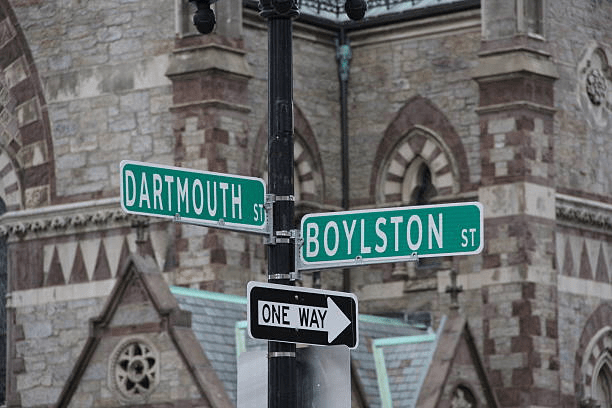
First run in 1897, the Boston Marathon is the oldest annual marathon in the world—inspired by the modern Olympic Games and built on tradition from day one.

Over time, it became the proving ground. You don’t just show up to Boston—you qualify. You chase it. You build entire seasons around it.

From the rolling hills to the infamous Heartbreak Hill, the course has tested generations of runners. And it’s not just elites—stories like Team Hoyt (a father pushing his son with cerebral palsy) embody what Boston has always stood for: inclusion, resilience, and possibility.


The Vibes: Electric, Emotional, Unmatched
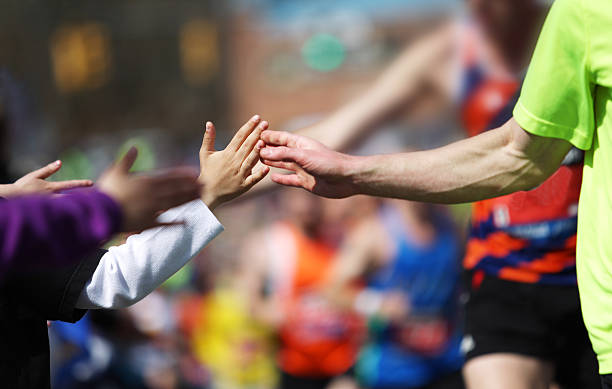
Boston doesn’t just host a marathon—it shows up for it.

The entire course is alive.

  • Wellesley College’s scream tunnel? Deafening.
  • Kids offering orange slices and high-fives? Constant.
  • Strangers screaming your name like they’ve known you forever? Standard.

It’s 26.2 miles of borrowed belief.

Even if your legs are shot, the crowd carries you. Even if your race isn’t perfect, the energy makes it feel like it is.


The City: A Collective Heartbeat
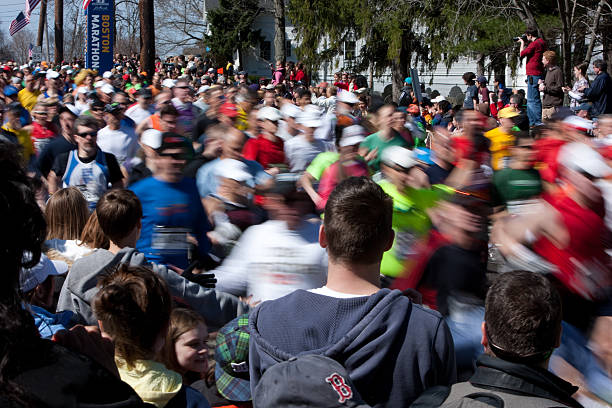
Boston treats Marathon Monday like a holiday—because it is.

The city lines every inch of the course. Families camp out. Neighborhoods turn into block parties. And every runner—elite or back-of-the-pack—is treated like a champion.

It’s one of the rare moments where a city and a sport become indistinguishable.


The Bombing: A Day That Changed Everything

On April 15, 2013, that joy was shattered.

Two bombs detonated near the finish line, killing three people and injuring hundreds.

It was a devastating moment—not just for Boston, but for the entire running community. Runners who had trained for months were stopped mid-race. Families waiting at the finish line were thrown into chaos.

But what followed is what defines Boston.


The Comeback: Boston Strong

https://images.openai.com/static-rsc-4/DbfIjxY7GNMOVlpjr7wQW0RriEMIc-EcP5ejTHq1yzd10u8CNWQTD9Zanic_kGR9JkAlN75ZNVH13abYYwYvdV2ag9wofILPO3KVZXHb_pPqfuzPIUfKSgs8AmdpKEWvi9PPv1KR1NV0df3oW3g1UZ28dXekDUs1ca1orW5aMZd9-aQAUwarhSzLgA5M5T-8?purpose=fullsize

The next year, runners came back. Stronger. Louder. Together.

“Boston Strong” wasn’t just a slogan—it became a promise.

  • A promise to the victims
  • A promise to the runners
  • A promise that fear wouldn’t win

The race didn’t just continue—it roared back. Participation surged. The crowds were bigger. The emotion deeper.

What was once a race became something more: a symbol of resilience, unity, and defiance.


Why Boston Still Matters

Boston isn’t just about qualifying times or PRs.

It’s about:

  • Showing up when it’s hard
  • Celebrating every pace
  • Honoring every story
  • And believing that running belongs to everyone

Which is exactly why messages of inclusivity matter more than ever.


Wear the Message: All Paces. All Abilities.

If Boston has taught us anything, it’s this:

There is no “right” way to run.

Whether you’re chasing a BQ, walking your first mile, or adapting your stride in your own way—you belong here.

👉 Shop the shirt:
https://magnoliasandfluff.threadless.com/designs/all-paces-all-abilities/mens/t-shirt

“All paces. All abilities.” isn’t just a slogan—it’s the spirit of Boston, stitched into something you can wear anywhere.


Final Mile

Boston proves that running is bigger than time splits and finish lines.

It’s about community.
It’s about resilience.
It’s about showing up—exactly as you are.

And if you’ve ever needed a reminder:

You don’t have to be the fastest.
You just have to keep going.

How to Be an Outstanding Crew Member for an Ultra Race

Crewing for an ultra runner is no small feat. As the support team for an athlete tackling extreme distances, the role of a crew member is crucial to the runner’s success and safety. Whether the race spans fifty miles or over a hundred, through mountains, deserts, or forests, here’s a comprehensive guide to prepare you for the task.

Understand the Race and Your Runner

Know the Course: Familiarize yourself with the race course, aid stations, and the rules specific to the race. Understanding the terrain and potential weather conditions will help you anticipate the needs of your runner.

Understand Your Runner’s Plan: Before the race, sit down with your runner to discuss their race strategy, pacing, nutrition, and hydration plans. Know what they like to eat and drink, and at what intervals. Some runners prefer solids like sandwiches or fruits, while others might rely on liquids or gels. Also, learn about any medications they might need and how to administer them.

Packing and Preparation

Gear and Supplies: Pack essential items such as changes of clothes, shoes, socks, special foods, hydration packs, headlamps, batteries, and medical supplies. Organize these items so they are easily accessible. It helps to have a checklist prepared in advance to ensure nothing is forgotten.

Prepare for Yourself: Crewing can be a long and exhausting process, often in challenging conditions. Pack sufficient food, water, clothing, and shelter for yourself. Consider bringing a chair, books, or other forms of entertainment to help pass the time while you wait for your runner at checkpoints.

Communication and Flexibility

Establish Checkpoints: Determine where you will meet your runner along the course. Not all areas may be accessible, so plan accordingly and always have a backup meeting spot.

Stay Flexible: Ultra races are unpredictable. Weather, injuries, or unexpected physical issues can change the best-laid plans. Be ready to adapt quickly. Your runner might need more or less from you than anticipated.

Keep Spirits High: Your attitude can greatly affect your runner. Stay positive and encouraging, regardless of the situation. Sometimes, a few words of encouragement can make a significant difference.

During the Race

Effective Checkpoints: When your runner arrives, be efficient. Replenish their supplies, help them change if needed, and address any medical issues. This is also the time to listen to how they feel and make any necessary adjustments to your plans.

Monitor Health: Keep an eye on your runner’s physical and mental state. Look for signs of dehydration, salt imbalance, fatigue, or hypothermia. Knowing the symptoms of common issues like blisters or chafing can also help you provide quick solutions.

Respect the Runner’s Space: There will be moments when your runner might feel exhausted or frustrated. Offer support but give them space if they need it. They are under tremendous physical and mental stress, and understanding their needs is crucial.

Post-Race

Recovery: After the race, your runner will likely be exhausted and possibly dealing with injuries or soreness. Help them through the recovery process by ensuring they get food and hydration and assisting them in getting to a place where they can rest.

Celebrate and Reflect: Take time to celebrate the accomplishment with your runner, regardless of the outcome. Discuss what went well and what could be improved for next time.

Being a crew member is about more than just handing over food and gear. It’s about being a reliable, encouraging presence in a grueling challenge. With proper preparation and a positive attitude, you can make a significant difference in the experience and performance of your ultra runner.

Experiencing the Joy and Impact of Ainsley’s Angels Races

Ainsley’s Angels is more than just a racing series—it’s a vibrant community where athletes of all abilities come together to share in the joy of racing. Participating in one of their events offers a unique opportunity to witness firsthand the transformative power of inclusion in sports. Through my own experiences and observations, I’ve seen the profound impact that these races have on participants and spectators alike.

What is Ainsley’s Angels?

Ainsley’s Angels of America is a non-profit organization aimed at building awareness about America’s special needs community through inclusion in all aspects of life, especially endurance events. Founded in honor of Ainsley Rossiter, a young girl who suffered from a rare terminal illness that progressively paralyzed her body, the organization thrives on the philosophy that everyone deserves to be included.

The Impact of Inclusion

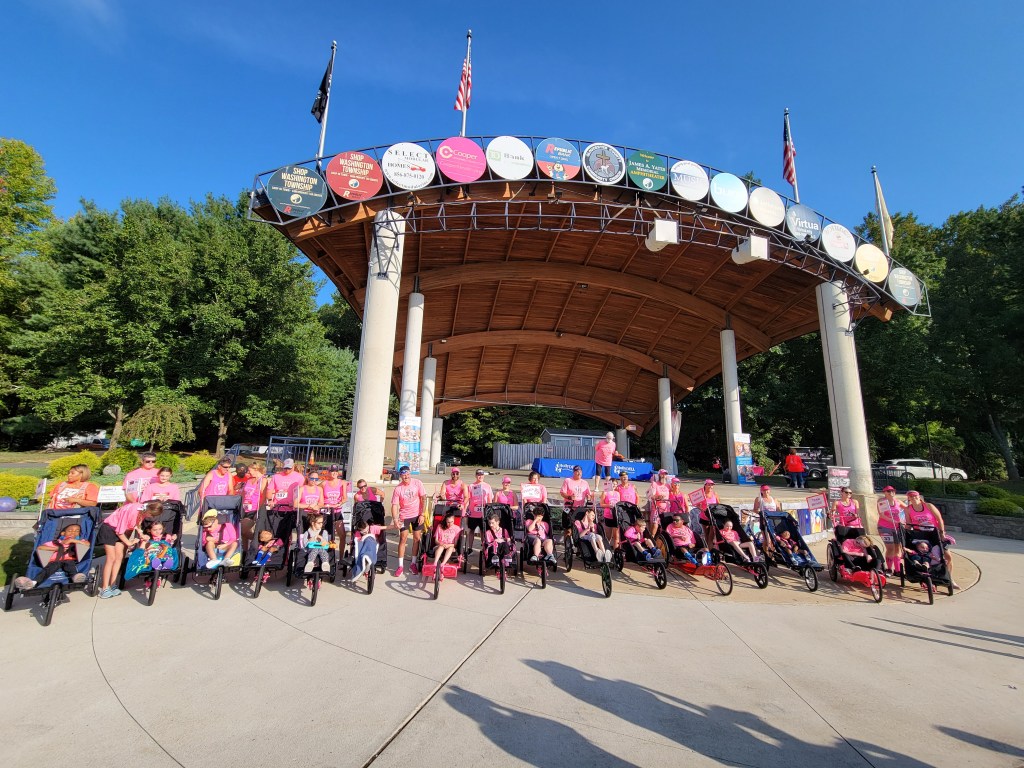
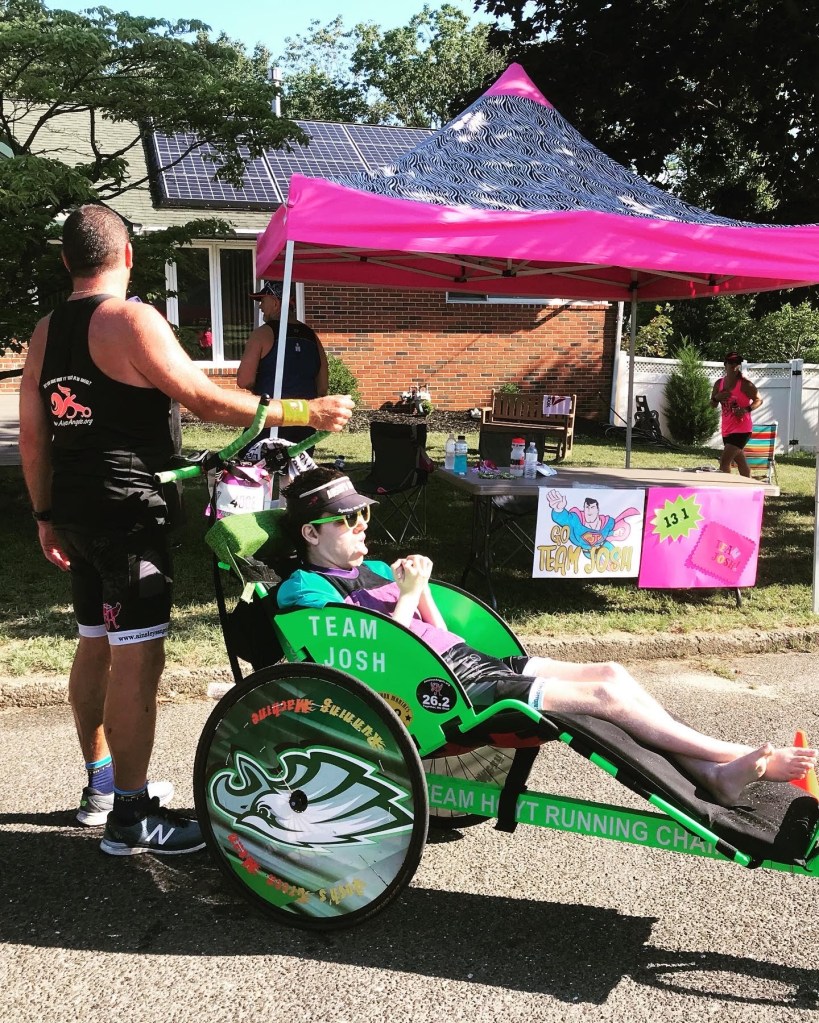
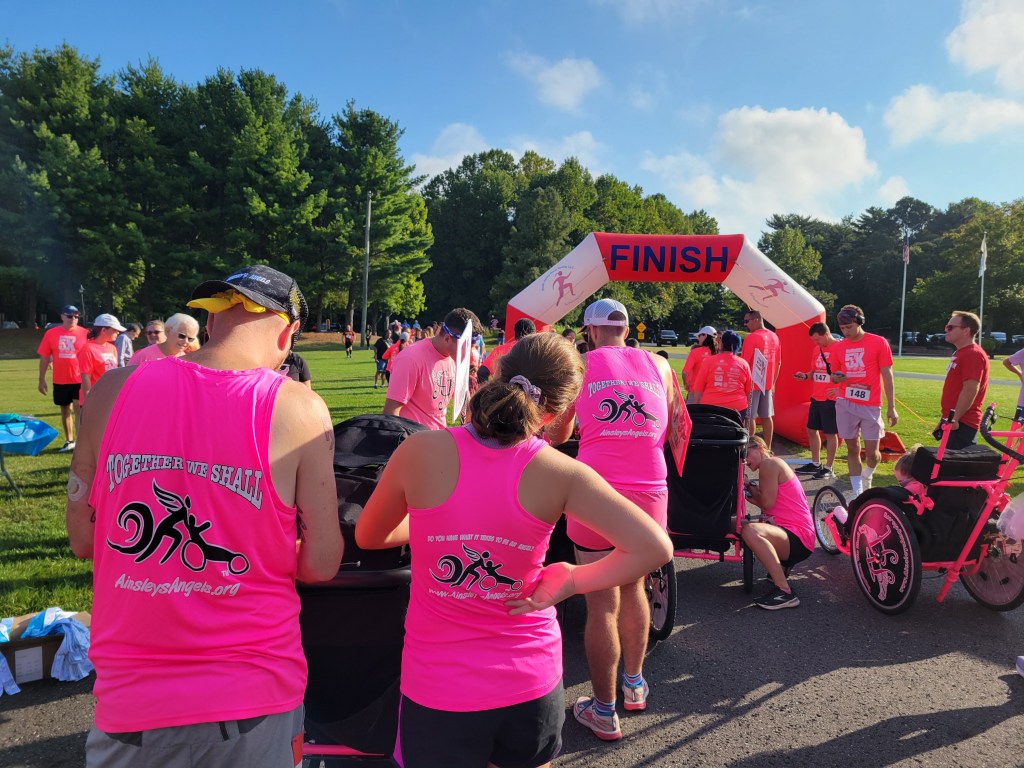
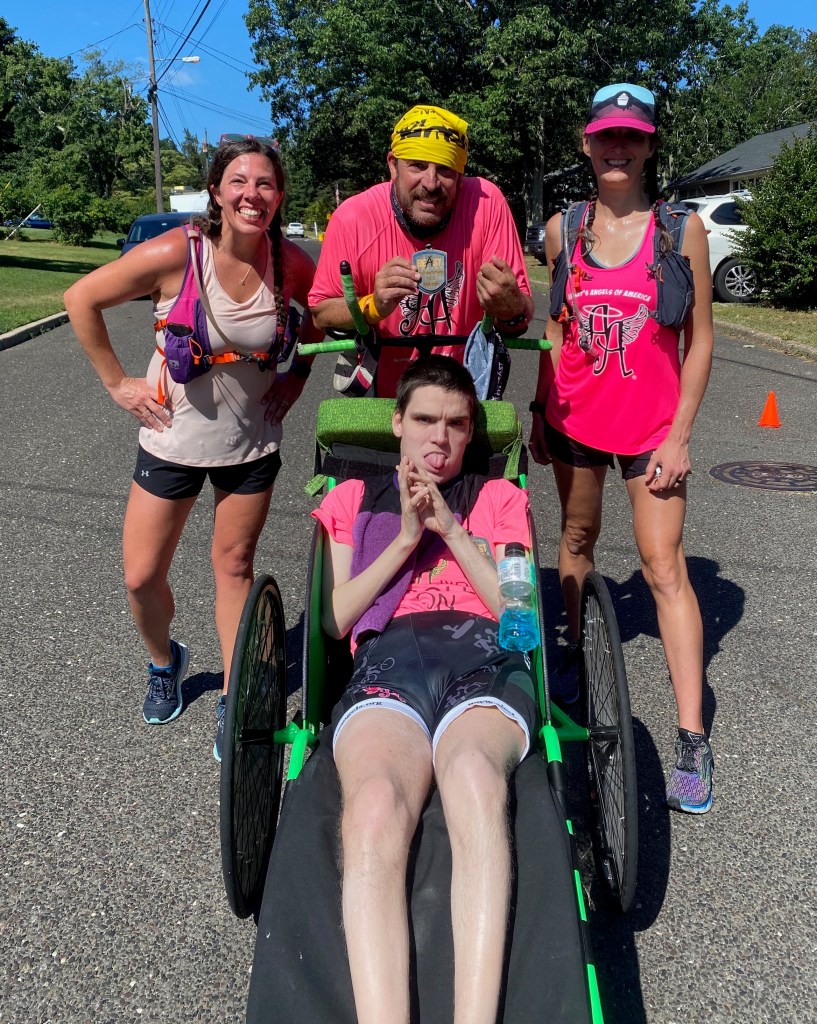
At the core of Ainsley’s Angels is the belief that everyone should have the opportunity to experience the thrill of crossing a finish line. This is made possible through the use of special racing chairs that allow riders (those with disabilities) to participate alongside runners (those who push the chairs). This setup not only provides a thrilling physical experience for the riders but also fosters a deep sense of community, support, and mutual respect among all participants.

A Personal Story

I remember witnessing my first race with Ainsley’s Angels vividly. It was a blend of excitement, nervous energy, and a profound sense of purpose and gratitude. I volunteered to assist with getting participants ready for the starting line. And met them along the course to take pictures and cheer on the sea of pink.

Seeing the teams as they were crossing the finish line was an emotional triumph. It was a powerful reminder of the strength of the human spirit and the joy that comes from shared experiences. This event was more than a race; it was a celebration of ability, determination, and inclusivity.

The Ripple Effect

The impact of participating in an Ainsley’s Angels race extends far beyond the day of the event. Families of riders often speak about the positive changes they see in their loved ones—increased happiness, social interaction, and a general sense of achievement. For the runners, it instills a sense of accomplishment and provides a fresh perspective on the challenges others face and the power of empathy and support.

Beyond the Race

Ainsley’s Angels also advocates for inclusivity in daily life, not just during races. They work tirelessly to promote understanding and acceptance for individuals with special needs in schools, workplaces, and other community spaces. The organization’s efforts highlight the importance of looking beyond disabilities and recognizing the individual abilities and potential in everyone.

Joining Ainsley’s Angels

For anyone considering joining an Ainsley’s Angels race or supporting their cause, I highly recommend it. Whether you’re a seasoned runner or someone looking to contribute to a meaningful cause, there is a place for you here. It’s more than just participating in a race; it’s about becoming part of a community that cherishes every member’s contribution, regardless of physical ability.

Conclusion

The essence of Ainsley’s Angels transcends the races themselves. It is about creating a society where inclusion is not just an ideal but a practiced reality. Every race is a step towards this vision, and each participant, whether a rider or runner, becomes an ambassador of this powerful message. As I look forward to my next race with Ainsley’s Angels, I am reminded of the beauty of our shared humanity and the endless possibilities that come from simply saying, “Yes, you can.”