There are races… and then there’s Boston.
The Boston Marathon isn’t just 26.2 miles—it’s history, heartbreak, grit, and something that borders on spiritual. It’s the kind of race runners don’t just sign up for. They earn. And once you’ve experienced it—even from the sidelines—you understand why it holds such a mythical place in running culture.
The History: Where Legends Begin
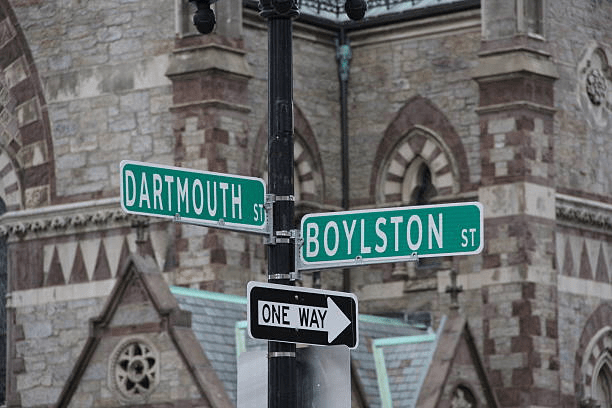
First run in 1897, the Boston Marathon is the oldest annual marathon in the world—inspired by the modern Olympic Games and built on tradition from day one.
Over time, it became the proving ground. You don’t just show up to Boston—you qualify. You chase it. You build entire seasons around it.
From the rolling hills to the infamous Heartbreak Hill, the course has tested generations of runners. And it’s not just elites—stories like Team Hoyt (a father pushing his son with cerebral palsy) embody what Boston has always stood for: inclusion, resilience, and possibility.
The Vibes: Electric, Emotional, Unmatched
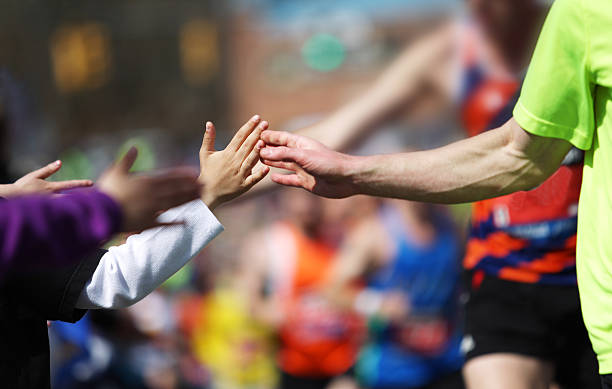
Boston doesn’t just host a marathon—it shows up for it.
The entire course is alive.
- Wellesley College’s scream tunnel? Deafening.
- Kids offering orange slices and high-fives? Constant.
- Strangers screaming your name like they’ve known you forever? Standard.
It’s 26.2 miles of borrowed belief.
Even if your legs are shot, the crowd carries you. Even if your race isn’t perfect, the energy makes it feel like it is.
The City: A Collective Heartbeat
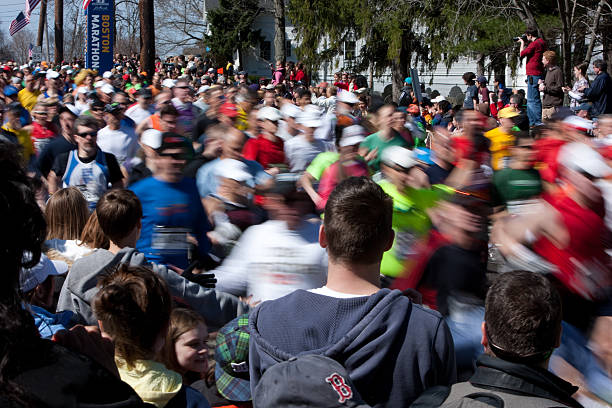
Boston treats Marathon Monday like a holiday—because it is.
The city lines every inch of the course. Families camp out. Neighborhoods turn into block parties. And every runner—elite or back-of-the-pack—is treated like a champion.
It’s one of the rare moments where a city and a sport become indistinguishable.
The Bombing: A Day That Changed Everything
On April 15, 2013, that joy was shattered.
Two bombs detonated near the finish line, killing three people and injuring hundreds.
It was a devastating moment—not just for Boston, but for the entire running community. Runners who had trained for months were stopped mid-race. Families waiting at the finish line were thrown into chaos.
But what followed is what defines Boston.
The Comeback: Boston Strong

The next year, runners came back. Stronger. Louder. Together.
“Boston Strong” wasn’t just a slogan—it became a promise.
- A promise to the victims
- A promise to the runners
- A promise that fear wouldn’t win
The race didn’t just continue—it roared back. Participation surged. The crowds were bigger. The emotion deeper.
What was once a race became something more: a symbol of resilience, unity, and defiance.
Why Boston Still Matters
Boston isn’t just about qualifying times or PRs.
It’s about:
- Showing up when it’s hard
- Celebrating every pace
- Honoring every story
- And believing that running belongs to everyone
Which is exactly why messages of inclusivity matter more than ever.
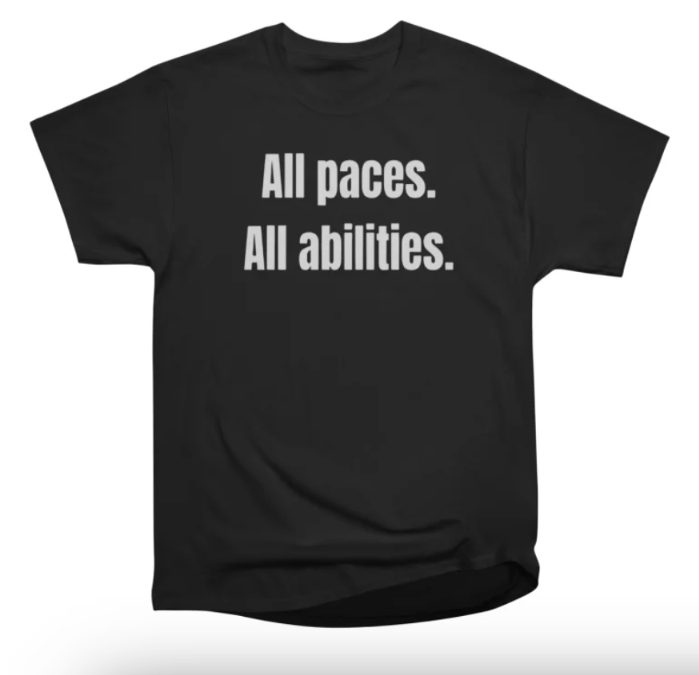
Wear the Message: All Paces. All Abilities.
If Boston has taught us anything, it’s this:
There is no “right” way to run.
Whether you’re chasing a BQ, walking your first mile, or adapting your stride in your own way—you belong here.
👉 Shop the shirt:
https://magnoliasandfluff.threadless.com/designs/all-paces-all-abilities/mens/t-shirt
“All paces. All abilities.” isn’t just a slogan—it’s the spirit of Boston, stitched into something you can wear anywhere.
Final Mile
Boston proves that running is bigger than time splits and finish lines.
It’s about community.
It’s about resilience.
It’s about showing up—exactly as you are.
And if you’ve ever needed a reminder:
You don’t have to be the fastest.
You just have to keep going.
 Magnolias + Fluff