How to Prepare Your Crew for Ultramarathon Success

Running an ultramarathon is an incredible feat, but it’s not a solo mission. Behind every successful ultra finish is a well-prepared, well-coordinated crew that knows how to meet your needs, navigate the course, and keep you moving forward when the miles get long. Here’s how to set your crew up for success so you can focus on crushing those miles.

1. Provide Them with a Race Plan

Before race day, share your race plan with your crew. This should include:

  • Expected arrival times at each aid station based on your planned pace.
  • Drop bag locations and what you expect to need from each one.
  • Course maps and elevation profiles, so they know where the brutal climbs and smooth downhills are.
  • Pacing strategy – if you plan to run strong in the first half or conserve energy for a late push.

A well-informed crew can anticipate your needs and keep you moving efficiently.

2. Fueling Strategy and Needs

Your crew is your mobile aid station. Make sure they are prepared with:

  • Electrolytes, water, and fuel that you’ve tested in training.
  • Extra gear, including socks, shoes, and layers for changing weather.
  • Special needs like salt tabs, blister care kits, and anti-chafing products.

Pro tip: Have your fuel labeled and easily accessible. A frantic search for a missing gel can waste valuable minutes.

3. Set Clear Expectations

Your crew should know exactly what you need from them:

  • Motivation or tough love? Be honest about what works for you.
  • Quick transitions. The less time you spend at aid stations, the better.
  • Problem solving. Blisters, cramps, gear failures – make sure your crew knows how to handle these hiccups.

4. Make it Fun for Them Too

Your crew is giving up their time and comfort to support you, so make it enjoyable:

  • Pack snacks, chairs, and blankets for their comfort.
  • Encourage them to bring games, music, or books for the downtime.
  • Create a cheering strategy to keep the energy high at each stop.

A happy crew is an effective crew.

5. Practice Crew Scenarios During Training

Do some of your long runs with your crew practicing aid station stops. Time transitions, test out gear swaps, and simulate the chaos of a busy checkpoint. The more you practice, the smoother race day will be.

6. Express Gratitude

After the race, take the time to thank your crew. A small gesture like a thank-you card or post-race meal goes a long way in showing appreciation for their hard work.

Your crew is your lifeline out there. With the right preparation and clear communication, they’ll keep you fueled, focused, and pushing toward that finish line. When the miles get tough, you’ll be glad you have them by your side.


Habit Stacking: The Sneaky Secret to Building Better Routine

(Inspired by James Clear’s Atomic Habits)

Atomic Habits by James Clear is more than just a book on habit formation—it’s a blueprint for building sustainable, life-changing routines. Clear’s approach focuses on the power of small, incremental improvements—1% better every day—which, when compounded, lead to transformative results.

You know how brushing your teeth doesn’t require a motivational speech every morning? That’s because it’s already part of your routine. Imagine if building new, healthy habits could feel just as automatic.

Enter habit stacking—a concept popularized by James Clear in his bestselling book Atomic Habits. It’s simple, powerful, and borderline sneaky in the best way possible.

What Is Habit Stacking?

Habit stacking is the art of linking a new habit to one you already do regularly. Instead of relying on sheer willpower or setting reminders that fizzle out, you anchor your new habit to an existing behavior—essentially riding the coattails of routines that are already wired into your brain.

Clear explains it like this: “The best way to build a new habit is to identify a current habit you already do each day and then stack your new behavior on top.”

Think of it as using your brain’s autopilot to your advantage.

How Habit Stacking Works

Here’s the magic formula:

“After [current habit], I will [new habit].”

Examples:

  • After I pour my morning coffee, I will meditate for 60 seconds.
  • After I brush my teeth, I will floss one tooth (yes, just one—you’ll probably do more).
  • After I lace up my running shoes, I will do 10 jumping jacks.
  • After I close my laptop for the day, I will write one sentence in my journal.

The key is specificity and consistency. You’re not just saying “I’ll meditate sometime tomorrow.” You’re saying when and where—and you’re tacking it on to something you already do without fail.

Why It Works

Habit stacking works because it:

  • Reduces decision fatigue: You don’t have to think about when to do the new habit.
  • Leverages existing routines: Your brain already recognizes the “trigger,” making adoption smoother.
  • Feels manageable: Starting small (as Clear insists) builds momentum and confidence.

Start Small, Stack Smart

The biggest mistake people make? Trying to stack huge, ambitious habits right out of the gate. Start tiny. Even embarrassingly tiny. One push-up. One sentence. One deep breath. The goal is not intensity—it’s consistency.

Then, stack smarter:

  • Choose a current habit you do reliably every day.
  • Match it with a habit that logically fits (e.g., hydration after brushing your teeth).
  • Keep it short and friction-free.

Habit Stacking for Endurance Runners 🏃‍♀️🏞️

For endurance training, the principles in Atomic Habits are incredibly impactful. Clear’s method of habit stacking allows you to anchor important training habits to existing routines. For example, linking hydration to your morning coffee ritual or stretching to your post-run cooldown makes these critical habits almost automatic. Over time, these tiny adjustments stack up to major improvements in consistency, recovery, and mental resilience.

If you’re an endurance runner, habit stacking can be an absolute game-changer for consistency, recovery, and mental toughness. Here’s how you can stack smart habits into your running routine:

Before Your Run:

  • After I put on my running shoes, I will drink a full glass of water.
  • After I start my GPS watch, I will do two minutes of dynamic stretching.
  • After I lock my front door, I will visualize my route and goals for the run.

During Your Run:

  • After each mile marker, I will check my form (posture, foot strike, breathing).
  • After every aid station (if you’re racing), I will take a deep breath and reset my focus.

Post-Run Routine:

  • After I take off my shoes, I will do 5 minutes of stretching.
  • After I rehydrate, I will log my run and reflect on how I felt.
  • After I shower, I will spend 2 minutes foam rolling.

Final Thoughts

Habit stacking turns the intimidating mountain of self-improvement into a series of tiny, winnable steps. Whether you’re training for a marathon, trying to read more, or just want to finally stretch your hamstrings—habit stacking can help you build a foundation for lasting change.

For endurance runners, it’s a secret weapon for making the critical elements of training—hydration, stretching, and reflection—part of your autopilot.

As James Clear puts it: “You do not rise to the level of your goals. You fall to the level of your systems.”
Habit stacking helps you build those systems, one small step at a time.

Want help crafting your own habit stacks for running, writing, or just surviving Mondays? Drop a comment and let’s build some together!

Stay Charged: The Importance of Electrolytes (Plus a DIY Hydration Recipe)

Whether you’re powering through a long run, sweating it out on a summer hike, or just trying to stay energized during a busy day, one thing is clear: electrolytes matter.

Why Electrolytes Are Essential

Electrolytes—like sodium, potassium, magnesium, and calcium—are minerals that conduct electricity in your body. They’re responsible for a host of vital functions, including:

  • Regulating fluid balance
  • Supporting nerve and muscle function
  • Maintaining pH levels
  • Helping your body absorb nutrients

When you sweat, you’re not just losing water. You’re also losing these essential minerals. Without replenishing them, you risk dehydration, cramping, fatigue, and even impaired brain function.

But Wait—Isn’t Water Enough?

Water alone is great for mild hydration needs, but when you’re losing a lot of fluids (hello, endurance runners, hot yoga fans, and summer gardeners), you need to replace electrolytes too. That’s where electrolyte drinks come in—but many store-bought versions are loaded with artificial flavors, dyes, and refined sugars.

Enter: The DIY Electrolyte Drink

Here’s a homemade electrolyte drink that’s simple, clean, and made with real ingredients you probably already have.

🍋 DIY Maple-Lime Electrolyte Drink

Ingredients:

  • 2 cups cold water (or coconut water for extra potassium)
  • 1 tbsp pure maple syrup (natural source of glucose for energy)
  • 1/8 tsp Himalayan pink salt (rich in trace minerals like sodium and magnesium)
  • Juice of 1 lime (vitamin C + zingy flavor)

Instructions:

  1. Stir all ingredients together in a glass or shaker bottle.
  2. Taste and adjust lime or maple syrup to your liking.
  3. Chill with ice or store in the fridge for up to 24 hours.

Pro Tip: For longer efforts (90+ minutes), double the salt and maple syrup for extra replenishment.


Electrolytes aren’t just for athletes—they’re for anyone who wants to feel balanced, energized, and hydrated throughout the day. Skip the neon drinks and give your body what it actually craves: real ingredients with real benefits.

Ultra Running Essentials: Gear, Nutrition, and Training Tips for Success

Ultra running, defined as any race longer than the traditional marathon distance of 26.2 miles, is a challenging and rewarding sport that pushes the limits of physical and mental endurance. Whether you’re a seasoned marathoner looking to take the next step or a newcomer intrigued by the allure of ultra distances, preparing for an ultra marathon requires careful planning, proper gear, and a well-thought-out training strategy. Here are the essentials to help you succeed in your ultra running journey.

Gear Essentials

  1. Footwear: Your shoes are the most critical piece of gear. Invest in a high-quality pair of trail running shoes that offer good grip, cushioning, and durability. Make sure they fit well and have room for swelling, which is common during long runs.
  2. Clothing: Choose moisture-wicking and breathable fabrics to keep you comfortable. Layering is key for varying weather conditions. A good waterproof jacket can be a lifesaver in wet or windy conditions.
  3. Hydration System: Staying hydrated is crucial. Options include hydration vests, handheld bottles, and waist packs. Choose a system that allows you to carry enough water and is comfortable over long distances.
  4. Nutrition: Energy gels, bars, and chews are convenient for maintaining energy levels. Some runners prefer whole foods like bananas, nuts, or sandwiches. Experiment during training to find what works best for you.
  5. Headlamp: For night runs or early starts, a reliable headlamp with extra batteries is essential. Ensure it is comfortable and provides adequate illumination.
  6. Navigation Tools: A GPS watch can help track your distance, pace, and location. In remote areas, a map and compass or a GPS device are vital for navigation.
  7. First Aid Kit: Basic supplies like band-aids, blister treatment, pain relievers, and anti-chafing cream can address minor issues before they become major problems.
  8. Poles: For hilly or mountainous ultras, trekking poles can help reduce strain on your legs and provide stability on technical terrain.

Nutrition and Hydration

Proper nutrition and hydration are critical to ultra running success. Your body needs a steady supply of energy and fluids to perform over long distances.

  1. Caloric Intake: I aim for 200-300 calories per hour from a mix of carbohydrates, proteins, and fats. This can include gels, sports drinks, bars, and whole foods (check with a nutritionist to understand the proper calories your body needs).
  2. Electrolytes: Replace lost electrolytes through sports drinks, electrolyte tablets, or salty snacks. Electrolyte imbalance can lead to cramping and fatigue.
  3. Hydration: Drink regularly, but avoid overhydration. A good rule of thumb is to drink to thirst and adjust based on weather conditions and sweat rate.

Training Tips

Training for an ultra marathon involves more than just increasing your mileage. Focus on building endurance, strength, and mental toughness.

  1. Gradual Mileage Increase: Slowly build your weekly mileage, increasing no more than 10% per week. Include one long run each week to simulate race conditions.
  2. Back-to-Back Long Runs: Running long distances on consecutive days helps build endurance and trains your body to recover quickly.
  3. Strength Training: Incorporate strength training exercises to improve muscle endurance and prevent injuries. Focus on core, legs, and upper body strength.
  4. Terrain Training: Train on similar terrain to your race. If your ultra includes hills, practice hill running. For technical trails, spend time on uneven surfaces.
  5. Mental Preparation: Ultra running is as much a mental challenge as it is a physical one. Practice mental strategies such as visualization, positive self-talk, and breaking the race into manageable segments.
  6. Recovery: Prioritize recovery with rest days, proper nutrition, stretching, and foam rolling. Listen to your body and adjust your training as needed to avoid overtraining.

Race Day Strategy

  1. Pacing: Start slow and conserve energy. It’s easy to get caught up in the excitement and go out too fast. Aim for a steady, sustainable pace.
  2. Nutrition and Hydration Plan: Stick to the plan you’ve practiced during training. Don’t try new foods or drinks on race day.
  3. Monitor Your Body: Pay attention to signs of fatigue, dehydration, or injury. Address issues early to prevent them from worsening.
  4. Stay Positive: Keep a positive mindset and stay focused on your goals. Ultra marathons are challenging, but a strong mental attitude can carry you through tough moments.

Conclusion

Ultra running is a demanding but incredibly rewarding sport. By preparing with the right gear, nutrition, training, and mental strategies, you can set yourself up for success. Embrace the journey, listen to your body, and enjoy the incredible experience of pushing your limits. Happy trails!

What I Eat the Week Leading Up to a Race: Fueling for Peak Performance

As race day approaches, I like to focus on a balanced diet that ensures my body is fueled, energized, and ready to perform. Nutrition plays a vital role in optimizing endurance and strength, so my meals are designed to provide the right combination of carbohydrates, proteins, fats, and micronutrients. Plus, hydration is essential to keep muscles functioning and avoid fatigue. Here’s what a typical week looks like for me leading up to the big race.

Day 1-3: Building a Solid Foundation

At the start of the week, my priority is maintaining a well-balanced diet. I make sure to include complex carbohydrates for sustained energy, lean protein for muscle repair, and plenty of vegetables to get vital vitamins and minerals.

  • Breakfast: Overnight oats with fresh berries, chia seeds, and a drizzle of honey
  • Lunch: Quinoa with roasted vegetables, chickpeas, and a lemon-tahini dressing
  • Dinner: Crispy sesame tofu with sweet potatoes and steamed broccoli

During this time, I also make sure to snack on healthy options like mixed nuts, fruit, and hummus with whole-grain crackers. These choices keep my energy levels stable throughout the day and provide a good mix of nutrients.

Day 4-5: Upping the Carbs

Midweek, I begin to gradually increase my carbohydrate intake to store glycogen in my muscles. This doesn’t mean overeating but focusing more on carbs as my training intensity lightens up.

  • Breakfast: Whole-grain toast with avocado and a poached egg
  • Lunch: Baked sweet potato with stir-fried tofu and veggies
  • Dinner: Pasta with peas and cannellini beans in garlic and avocado oil

Staying hydrated is also crucial. I aim for at least 3 liters of water per day, adding an electrolyte drink during my lighter runs or recovery workouts.

Day 6: Carbo-Loading and Final Preparation

As I get closer to the race, my meals are heavily focused on carbohydrates to ensure I’ve got plenty of stored energy for race day. This is when I make sure to eat meals like one of my favorite pre-race dishes: smashed beans on sourdough toast.

Beans on Sourdough Toast Recipe

This dish is a perfect combination of carbs, protein, and fiber, making it a simple but satisfying meal before a race.

Ingredients:

  • 1 can of cannellini or navy beans (drained and rinsed)
  • 2 slices of sourdough bread
  • 1 garlic clove (minced)
  • 1 tablespoon avocado oil
  • 1 teaspoon smoked paprika
  • 1 teaspoon crushed red pepper (optional)
  • Salt and pepper to taste
  • 1 tablespoon fresh parsley (optional)
  • A splash of lemon juice

Instructions:

  1. Combine the beans, avocado oil, smoked paprika, crushed red pepper, salt, and pepper. Stir well and smash to your liking, allowing the flavors to meld (I like the texture of partially smashed beans, leaving some whole, but you could also blend to a hummus consistency).
  2. Toast the sourdough bread until golden.
  3. Spoon the beans over the toasted sourdough. Garnish with fresh parsley and a squeeze of lemon juice.
  4. Serve immediately, and enjoy!

Beans on toast is light enough not to weigh me down but hearty enough to provide a steady release of energy over several hours. The sourdough provides easily digestible carbohydrates, while the beans give me a boost of protein and fiber.

Day 7 (Race Day Eve): Keeping It Simple

The night before the race, I keep my meals simple and easy to digest. I avoid anything new or too rich that could upset my stomach. My goal is to feel light but fueled.

  • Dinner: A baked sweet potato with black beans
  • Evening snack: A banana or a handful of dried fruit

Hydration continues to be a top priority. I drink plenty of water throughout the day, sipping slowly to avoid bloating. I’ll also include a sports drink to ensure my electrolyte levels are balanced.

Hydration: The Key to Performance

Throughout this week, staying hydrated is as important as my food choices. Water keeps me energized, helps regulate my body temperature, and ensures that my muscles are functioning properly. In the days leading up to the race, I make sure to drink water consistently and use electrolyte supplements if I’ve been sweating heavily. On race day itself, I stick to small sips of water in the hours before the event to avoid feeling too full.

In summary, fueling for a race isn’t just about what you eat on race day—it’s about preparing your body in the week leading up to it. By focusing on a balanced diet, increasing carbohydrates, and maintaining proper hydration, I make sure I’m in peak condition to cross the finish line feeling strong and accomplished.

How to Be an Outstanding Crew Member for an Ultra Race

Crewing for an ultra runner is no small feat. As the support team for an athlete tackling extreme distances, the role of a crew member is crucial to the runner’s success and safety. Whether the race spans fifty miles or over a hundred, through mountains, deserts, or forests, here’s a comprehensive guide to prepare you for the task.

Understand the Race and Your Runner

Know the Course: Familiarize yourself with the race course, aid stations, and the rules specific to the race. Understanding the terrain and potential weather conditions will help you anticipate the needs of your runner.

Understand Your Runner’s Plan: Before the race, sit down with your runner to discuss their race strategy, pacing, nutrition, and hydration plans. Know what they like to eat and drink, and at what intervals. Some runners prefer solids like sandwiches or fruits, while others might rely on liquids or gels. Also, learn about any medications they might need and how to administer them.

Packing and Preparation

Gear and Supplies: Pack essential items such as changes of clothes, shoes, socks, special foods, hydration packs, headlamps, batteries, and medical supplies. Organize these items so they are easily accessible. It helps to have a checklist prepared in advance to ensure nothing is forgotten.

Prepare for Yourself: Crewing can be a long and exhausting process, often in challenging conditions. Pack sufficient food, water, clothing, and shelter for yourself. Consider bringing a chair, books, or other forms of entertainment to help pass the time while you wait for your runner at checkpoints.

Communication and Flexibility

Establish Checkpoints: Determine where you will meet your runner along the course. Not all areas may be accessible, so plan accordingly and always have a backup meeting spot.

Stay Flexible: Ultra races are unpredictable. Weather, injuries, or unexpected physical issues can change the best-laid plans. Be ready to adapt quickly. Your runner might need more or less from you than anticipated.

Keep Spirits High: Your attitude can greatly affect your runner. Stay positive and encouraging, regardless of the situation. Sometimes, a few words of encouragement can make a significant difference.

During the Race

Effective Checkpoints: When your runner arrives, be efficient. Replenish their supplies, help them change if needed, and address any medical issues. This is also the time to listen to how they feel and make any necessary adjustments to your plans.

Monitor Health: Keep an eye on your runner’s physical and mental state. Look for signs of dehydration, salt imbalance, fatigue, or hypothermia. Knowing the symptoms of common issues like blisters or chafing can also help you provide quick solutions.

Respect the Runner’s Space: There will be moments when your runner might feel exhausted or frustrated. Offer support but give them space if they need it. They are under tremendous physical and mental stress, and understanding their needs is crucial.

Post-Race

Recovery: After the race, your runner will likely be exhausted and possibly dealing with injuries or soreness. Help them through the recovery process by ensuring they get food and hydration and assisting them in getting to a place where they can rest.

Celebrate and Reflect: Take time to celebrate the accomplishment with your runner, regardless of the outcome. Discuss what went well and what could be improved for next time.

Being a crew member is about more than just handing over food and gear. It’s about being a reliable, encouraging presence in a grueling challenge. With proper preparation and a positive attitude, you can make a significant difference in the experience and performance of your ultra runner.

Experiencing the Joy and Impact of Ainsley’s Angels Races

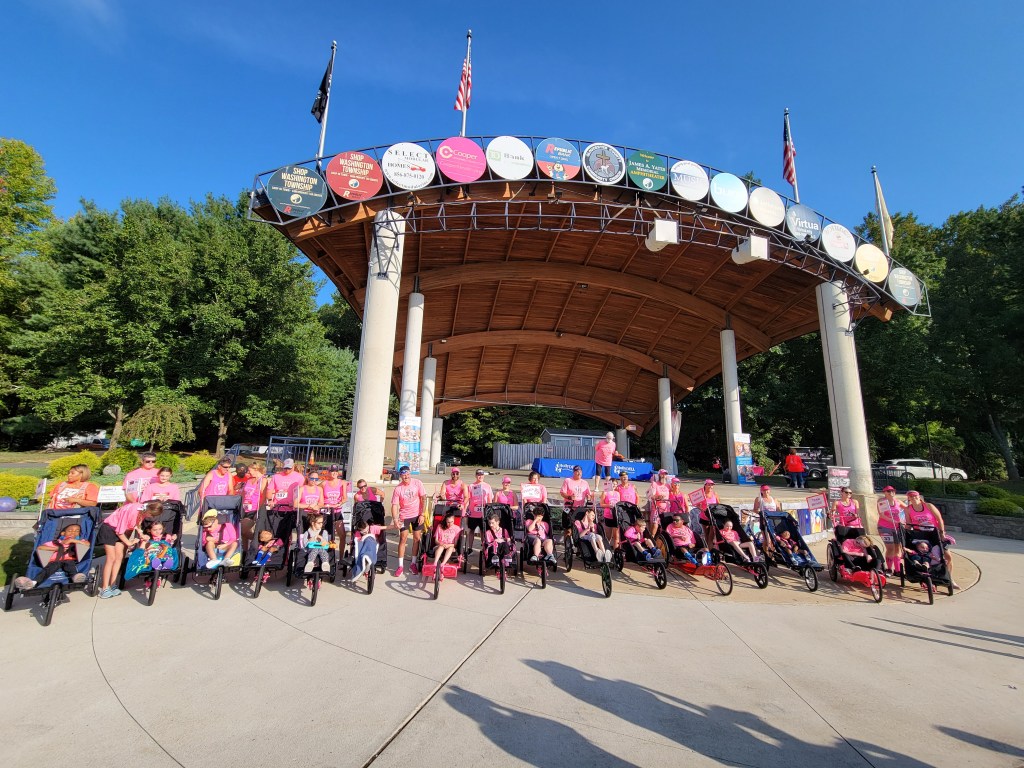
Ainsley’s Angels is more than just a racing series—it’s a vibrant community where athletes of all abilities come together to share in the joy of racing. Participating in one of their events offers a unique opportunity to witness firsthand the transformative power of inclusion in sports. Through my own experiences and observations, I’ve seen the profound impact that these races have on participants and spectators alike.

What is Ainsley’s Angels?

Ainsley’s Angels of America is a non-profit organization aimed at building awareness about America’s special needs community through inclusion in all aspects of life, especially endurance events. Founded in honor of Ainsley Rossiter, a young girl who suffered from a rare terminal illness that progressively paralyzed her body, the organization thrives on the philosophy that everyone deserves to be included.

The Impact of Inclusion

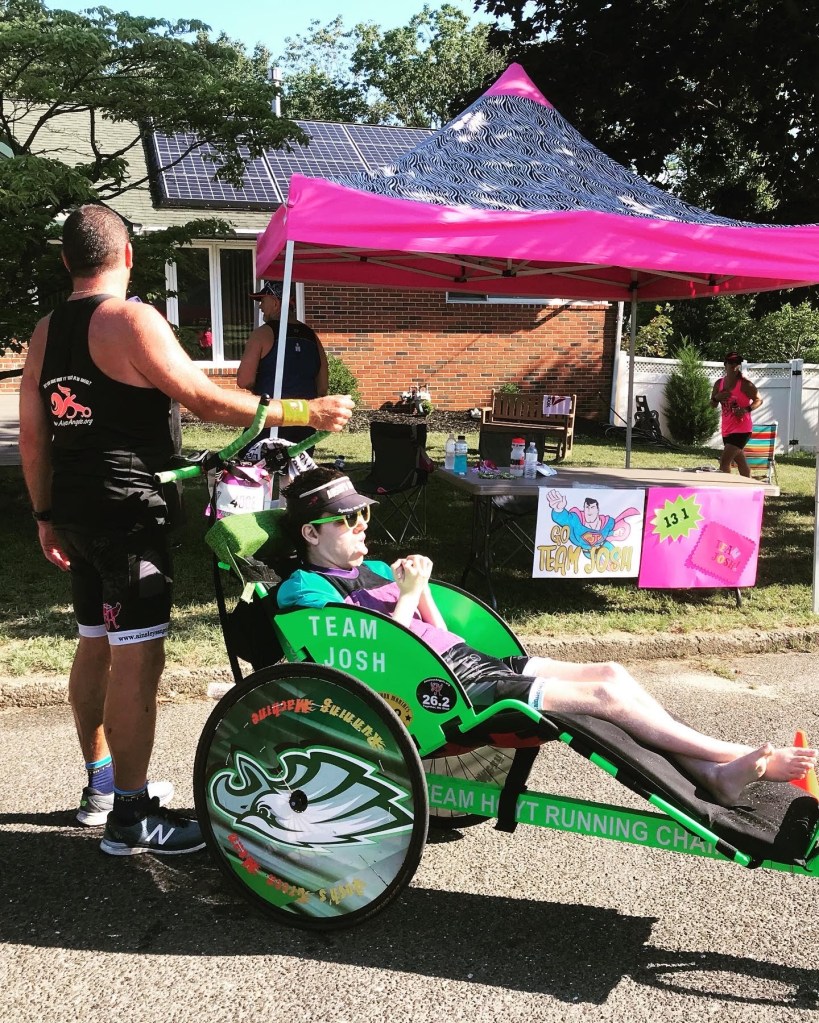
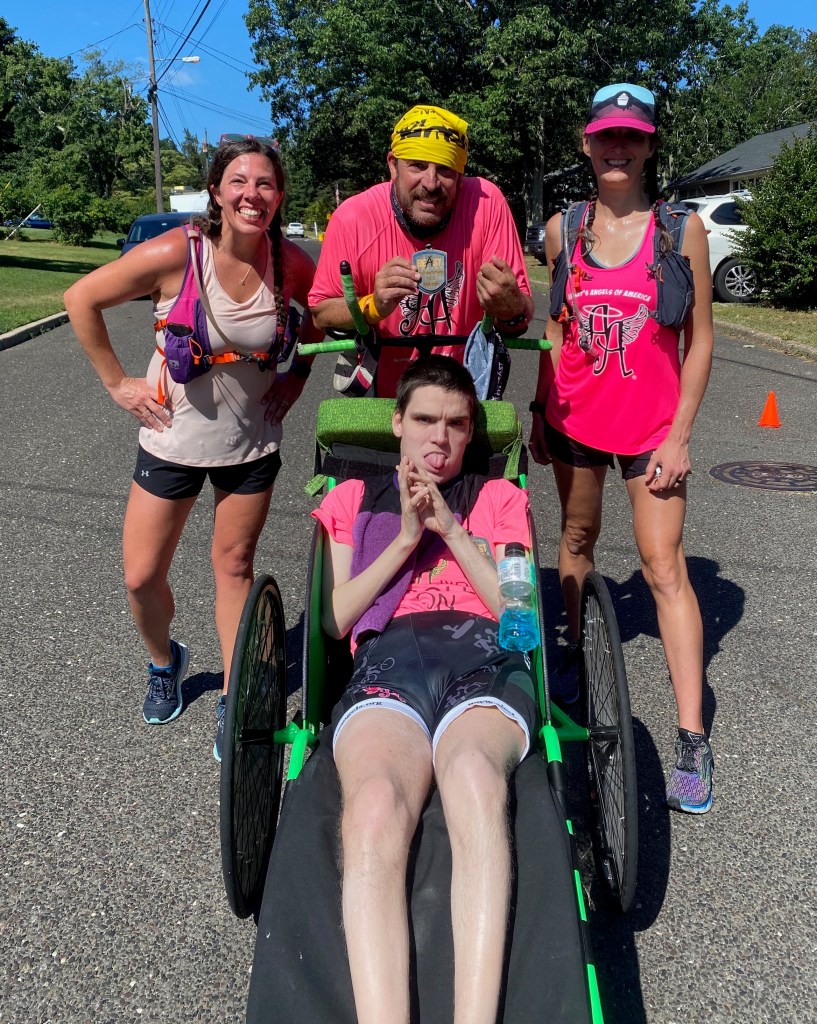
At the core of Ainsley’s Angels is the belief that everyone should have the opportunity to experience the thrill of crossing a finish line. This is made possible through the use of special racing chairs that allow riders (those with disabilities) to participate alongside runners (those who push the chairs). This setup not only provides a thrilling physical experience for the riders but also fosters a deep sense of community, support, and mutual respect among all participants.

A Personal Story

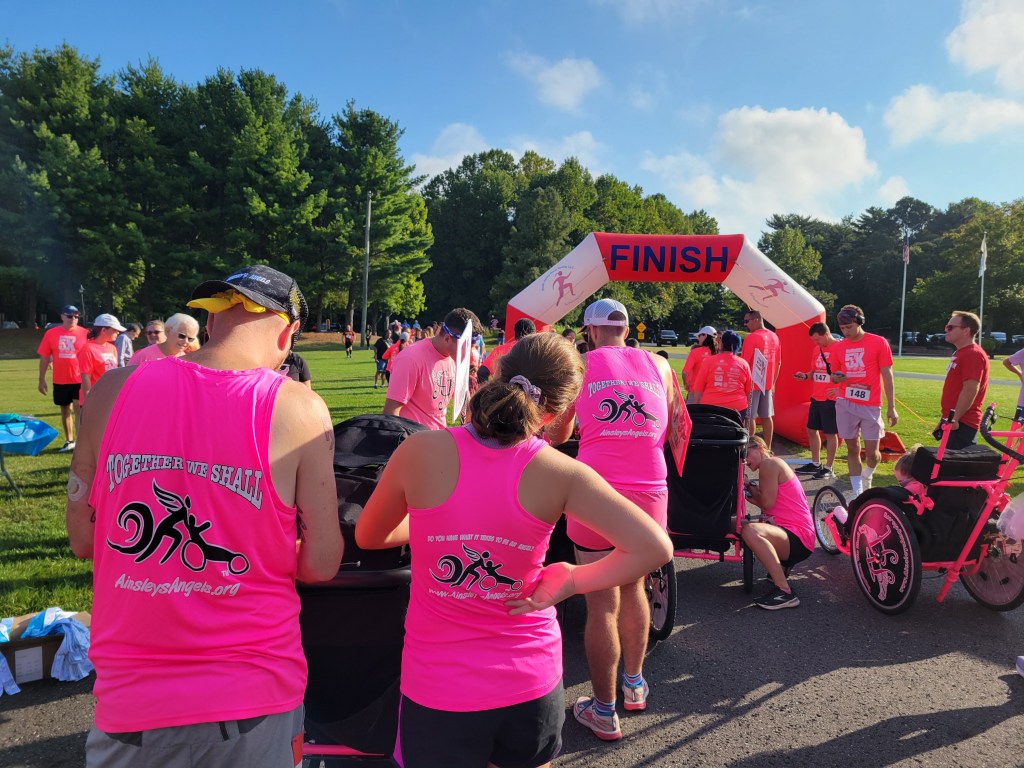
I remember witnessing my first race with Ainsley’s Angels vividly. It was a blend of excitement, nervous energy, and a profound sense of purpose and gratitude. I volunteered to assist with getting participants ready for the starting line. And met them along the course to take pictures and cheer on the sea of pink.

Seeing the teams as they were crossing the finish line was an emotional triumph. It was a powerful reminder of the strength of the human spirit and the joy that comes from shared experiences. This event was more than a race; it was a celebration of ability, determination, and inclusivity.

The Ripple Effect

The impact of participating in an Ainsley’s Angels race extends far beyond the day of the event. Families of riders often speak about the positive changes they see in their loved ones—increased happiness, social interaction, and a general sense of achievement. For the runners, it instills a sense of accomplishment and provides a fresh perspective on the challenges others face and the power of empathy and support.

Beyond the Race

Ainsley’s Angels also advocates for inclusivity in daily life, not just during races. They work tirelessly to promote understanding and acceptance for individuals with special needs in schools, workplaces, and other community spaces. The organization’s efforts highlight the importance of looking beyond disabilities and recognizing the individual abilities and potential in everyone.

Joining Ainsley’s Angels

For anyone considering joining an Ainsley’s Angels race or supporting their cause, I highly recommend it. Whether you’re a seasoned runner or someone looking to contribute to a meaningful cause, there is a place for you here. It’s more than just participating in a race; it’s about becoming part of a community that cherishes every member’s contribution, regardless of physical ability.

Conclusion

The essence of Ainsley’s Angels transcends the races themselves. It is about creating a society where inclusion is not just an ideal but a practiced reality. Every race is a step towards this vision, and each participant, whether a rider or runner, becomes an ambassador of this powerful message. As I look forward to my next race with Ainsley’s Angels, I am reminded of the beauty of our shared humanity and the endless possibilities that come from simply saying, “Yes, you can.”

Take Care of Your Feet

Taking care of your feet is crucial for runners to prevent injuries and maintain optimal performance. I’ve experience some of the most intense maceration (trench foot) which has sidelined me at some of my most important running events. Through trial and error, I’ve found a great combination of socks and anti-chafe balms (I’ve tested them all!). Here’s a comprehensive guide to foot care for running:

1. Proper Footwear:

  • Invest in quality running shoes that provide adequate support, cushioning, and stability.
  • Get fitted for shoes at a specialty running store to ensure the proper fit and alignment.
  • Replace your shoes every 300-500 miles or when they show signs of wear and tear.

2. Socks:

  • Wear moisture-wicking socks to keep your feet dry and reduce the risk of blisters.
  • Choose socks made of synthetic materials or merino wool that provide cushioning and minimize friction.
  • I’ve found for shorter distances (50k and under) that compression socks work really well to protect my feet from swelling and excess moisture. My favorites have been the PRO Compression socks – they retain their compression through years of running and washing AND they come in so many fun colors and patterns.

3. Nail Care:

  • Keep your toenails trimmed straight across to prevent ingrown toenails.
  • Avoid cutting your nails too short or rounding the corners, which can lead to painful nail issues.

4. Foot Hygiene:

  • Wash your feet daily with mild soap and warm water to keep them clean and prevent bacterial or fungal infections.
  • Dry your feet thoroughly, especially between the toes, to minimize moisture and reduce the risk of athlete’s foot.

5. Blister Prevention:

  • Use lubricants or anti-chafing products on areas prone to blisters, such as the heels and toes.
  • I’ve been really happy with a few anti-chafing products – I try to find ones that don’t feel greasy or sticky (and there are so many options, so you’ll find what’s right for you) – here are a few of my favorites: Trail Toes, Desitin (surprisingly effective), and Barefoot Scientist Barrier4.
  • Wear moisture-wicking socks and properly fitting shoes to minimize friction and reduce the risk of blisters.

6. Callus Management:

  • Regularly exfoliate callused areas with a pumice stone or foot file to prevent the buildup of thick, rough skin.
  • Avoid removing calluses completely, as they provide natural protection for your feet during running.

7. Arch Support:

  • Consider using orthotic inserts or arch supports if you have flat feet or high arches to provide additional support and stability.
  • Consult with a podiatrist or physical therapist to determine the best type of support for your foot structure.

8. Recovery:

  • After long runs or intense workouts, elevate your feet to reduce swelling and promote circulation.
  • Use ice packs or cold therapy to relieve pain and inflammation in sore or injured areas.
  • Perform gentle stretches and self-massage techniques to relax tight muscles and improve flexibility.
  • I’ve also found that using a massage gun is really helpful to break down any really sore spots in my legs and my shoulders. The compression boots are great as well.
  • The day after a long run (if I’m not training for back to back long runs), I like to hop on a bike or stationary bike to get my legs moving with low impact.

9. Foot Strengthening:

  • Incorporate exercises to strengthen the muscles in your feet and ankles, such as toe curls, arch lifts, and calf raises.
  • Use resistance bands or balance tools to improve stability and proprioception in the feet.
  • I really enjoy using a stability cushion for foot and ankle strength.

10. Listen to Your Feet:

  • Pay attention to any pain, discomfort, or changes in sensation in your feet during running.
  • Rest and seek medical attention if you experience persistent or worsening symptoms, as they may indicate an underlying injury or condition.

100-mile Endurance Plan

Week 1-4: Building a “Foundation”

Week 1: Getting Started (It’s all about the base)

  • Monday: Rest
  • Tuesday: 3 miles easy
  • Wednesday: 4 miles moderate
  • Thursday: Cross-training or strength training (because it’s fun to confuse your muscles)
  • Friday: 3 miles easy
  • Saturday: 6 miles LSD (long slow distance)
  • Sunday: 3 miles easy (you’ve crushed this first week!)

Week 2: Progressing… Slow and steady

  • Monday: Rest (your body rebuilds, your mind refreshes, and your spirit rejuvenates)
  • Tuesday: 4 miles easy
  • Wednesday: 5 miles moderate
  • Thursday: Cross-training or strength training (build those muscles!)
  • Friday: 4 miles easy
  • Saturday: 8 miles LSD (long, slow, and drawn-out)
  • Sunday: 4 miles easy (celebrate every step forward, for each one brings you closer to achieving your dreams)

Week 3: Embracing the Suck

  • Monday: Rest (Rest is a vital part of your athletic journey. Embrace it, honor it, and let it fuel your success.)
  • Tuesday: 5 miles easy
  • Wednesday: 6 miles moderate (because moderate pain is the new normal)
  • Thursday: Cross-training or strength training (because muscles love surprises)
  • Friday: 5 miles easy
  • Saturday: 10 miles LSD (long, slow, and delirious)
  • Sunday: 5 miles easy (Every step you take, every drop of sweat you shed, brings you one step closer to your goals. Remind yourself of what you’re achieving.)

Week 4: Starting to Feel Like a Real Athlete… Almost

  • Monday: Rest (rest is a badge of honor for all of the hard work you’re putting in)
  • Tuesday: 6 miles easy
  • Wednesday: 7 miles moderate (keep pushing forward, and remember, your journey is as remarkable as your destination)
  • Thursday: Cross-training or strength training
  • Friday: 6 miles easy
  • Saturday: 12 miles LSD (long, slow, and desperate for a massage)
  • Sunday: 6 miles easy (the new definition of “Sunday Funday”)

Week 5-8: Building Endurance (Look at all you’ve achieved and keep moving forward)

Week 5: The Pain Train Keeps Chugging Along

  • Monday: Rest (resets, refocuses, and re-energize)
  • Tuesday: 7 miles easy
  • Wednesday: 8 miles moderate (feel the grit in your soul)
  • Thursday: Cross-training or strength training (celebrate how strong you’re getting)
  • Friday: 7 miles easy
  • Saturday: 15 miles LSD (long, slow, and determined)
  • Sunday: 7 miles easy (remind yourself of your epic week of achievements)

Week 6: The “I’m Definitely in Over My Head” Phase

  • Monday: Rest (allow yourself to recharge your batteries, both physically and mentally)
  • Tuesday: 8 miles easy (soak in your surroundings)
  • Wednesday: 9 miles moderate
  • Thursday: Cross-training or strength training (it’s a great opportunity for yoga)
  • Friday: 8 miles easy
  • Saturday: 18 miles LSD (long, slow, and questioning all life choices)
  • Sunday: 8 miles easy (you are a rock star!)

Week 7: The “I Might Actually Survive This” Phase… Maybe

  • Monday: Rest (your rest days are just as important as your training days)
  • Tuesday: 9 miles easy (easy, as in “I’m just here for the snacks”)
  • Wednesday: 10 miles moderate
  • Thursday: Cross-training or strength training (building strength and improving endurance)
  • Friday: 9 miles easy
  • Saturday: 20 miles LSD (stay fierce, stay focused)
  • Sunday: 9 miles easy

Week 8: The “Tapering” Phase (aka the Calm Before the Storm)

  • Monday: Rest (take a deep breath, relax and enjoy this rest day)
  • Tuesday: 8 miles easy
  • Wednesday: 6 miles easy (because you’ve earned the right to take it easy… for now)
  • Thursday: Cross-training or strength training
  • Friday: 4 miles easy
  • Saturday: 10 miles LSD (long, slow, and drawn-out)
  • Sunday: 4 miles easy (the world can’t stop you now)

Week 9-12: The Final Stretch (Or in This Case, the Final Struggle)

Week 9: Increasing Intensity (Because Why Not?)

  • Monday: Rest (mentally prepare for the adventure that lies ahead)
  • Tuesday: 10 miles with intervals
  • Wednesday: 8 miles moderate
  • Thursday: Cross-training or strength training (remember why you started)
  • Friday: 8 miles easy
  • Saturday: 22 miles LSD (keep pushing, keep grinding, and keep believing in yourself)
  • Sunday: 8 miles easy

Week 10: Hill Training (Because Why Not Add Insult to Injury?)

  • Monday: Rest (rest is the secret sauce that will propel you forward)
  • Tuesday: 9 miles with hill repeats (keeping pushing onward and upward)
  • Wednesday: 10 miles moderate
  • Thursday: Cross-training or strength training (remember the passion that burns within you)
  • Friday: 9 miles easy
  • Saturday: 25 miles LSD with hills (long, slow, and wondering why you ever thought running up hills was a good idea)
  • Sunday: 9 miles easy (shake out run)

Week 11: Speed Work (Because Torture Comes in Many Forms)

  • Monday: Rest (rest well for your next triumph awaits)
  • Tuesday: 8 miles with speed intervals
  • Wednesday: 10 miles moderate (greatness is unfolding)
  • Thursday: Cross-training or strength training (hard work and dedication)
  • Friday: 8 miles easy
  • Saturday: 28 miles LSD (visualize your finish line achievement)
  • Sunday: 8 miles easy (another epic week!)

Week 12: The “Tapering” Phase (aka the Beginning of the End)

  • Monday: Rest (self care is the best care)
  • Tuesday: 6 miles easy (put on some happy tunes and get your body moving)
  • Wednesday: 8 miles with hills (you now eat hills for breakfast)
  • Thursday: Cross-training or strength training (your greatness shines)
  • Friday: 4 miles easy
  • Saturday: 10 miles LSD
  • Sunday: 4 miles easy (remind yourself how great this feeling of accomplishment is)

Week 13-16: Peak Training (Or in Other Words, the Final Countdown)

Week 13: Longest Runs (Because There’s No Turning Back Now)

  • Monday: Rest (recharge and reignite)
  • Tuesday: 8 miles easy
  • Wednesday: 12 miles with speed intervals
  • Thursday: Cross-training or strength training (you’re getting stronger every day)
  • Friday: 8 miles easy
  • Saturday: 30 miles LSD (where will this adventure take you next?)
  • Sunday: 8 miles easy (you are achieving great things!)

Week 14: Back-to-Back Long Runs (Because You Clearly Haven’t Suffered Enough Yet)

  • Monday: Rest (embrace comfort for your body and mind)
  • Tuesday: 8 miles easy
  • Wednesday: 10 miles with hills
  • Thursday: Cross-training or strength training
  • Friday: 8 miles easy (it’s okay if the easy days feel challenging too)
  • Saturday: 35 miles LSD (this is where you get to push your limits)
  • Sunday: 8 miles easy (pushing to train on tired legs)

Week 15: Final Push (Because There’s No Turning Back Now… Seriously, You Can’t Turn Back)

  • Monday: Rest (relax and let your mind wander)
  • Tuesday: 8 miles with intervals
  • Wednesday: 12 miles moderate (the grind is real)
  • Thursday: Cross-training or strength training (you are stronger than you know)
  • Friday: 8 miles easy (conserve your energy for your highest mileage week)
  • Saturday: 40 miles LSD (you’re chasing your dreams)
  • Sunday: 8 miles easy (you did it!!)

Week 16: The “Tapering” Phase (Because Even the Pain Train Needs a Rest… Right?)

  • Monday: Rest (this rest is so well-deserved)
  • Tuesday: 6 miles easy (embrace these easy miles)
  • Wednesday: 8 miles with hills (this is what athletes are made of)
  • Thursday: Cross-training or strength training
  • Friday: 4 miles easy (keep your eye on the prize)
  • Saturday: 10 miles LSD
  • Sunday: 4 miles easy (your dedication is inspiring!)

Week 17-20: Taper and Race Preparation (The End is Near)

Week 17: Tapering (Or in Other Words, the Beginning of the End)

  • Monday: Rest (focus on the journey that has brought you here)
  • Tuesday: 4 miles easy (you are capable of more than you’ve ever imagined)
  • Wednesday: 6 miles easy (you have some so far!)
  • Thursday: Cross-training or strength training (and make sure to get some extra stretching)
  • Friday: 3 miles easy
  • Saturday: Rest (you are here because of your grit and determination)
  • Sunday: Race day preparation (nutrition, gear check, and hydration)

Week 18: Race Week (You’re here and ready for an unbelievable experience)

  • Follow a very light running schedule, focusing on rest, hydration, and mental preparation for the race.
  • Remember to fuel and give your muscles the nutrition they deserve.

Week 19-20: Recovery (Race recovery is as important as your race training and preparation)

  • Gradually ease back into running with short, easy runs. Focus on recovery activities such as stretching, foam rolling, and adequate rest.
  • Be sure to keep hydrating and fueling your recovering muscles.