Chasing Trails and Hot Springs: Our 880-Mile Icelandic Adventure

There’s nothing like loading up a rental car with good friends, a few ambitious runners, and a flexible itinerary to explore one of the most stunning landscapes on Earth. Eight of us—four runners and four spouses—set off to conquer Iceland’s legendary Ring Road, covering 880 miles of surreal scenery, hearty laughs, and over 50 miles on foot through some of the most jaw-dropping terrain we’ve ever witnessed.

The Ring Road: One Loop to Rule Them All

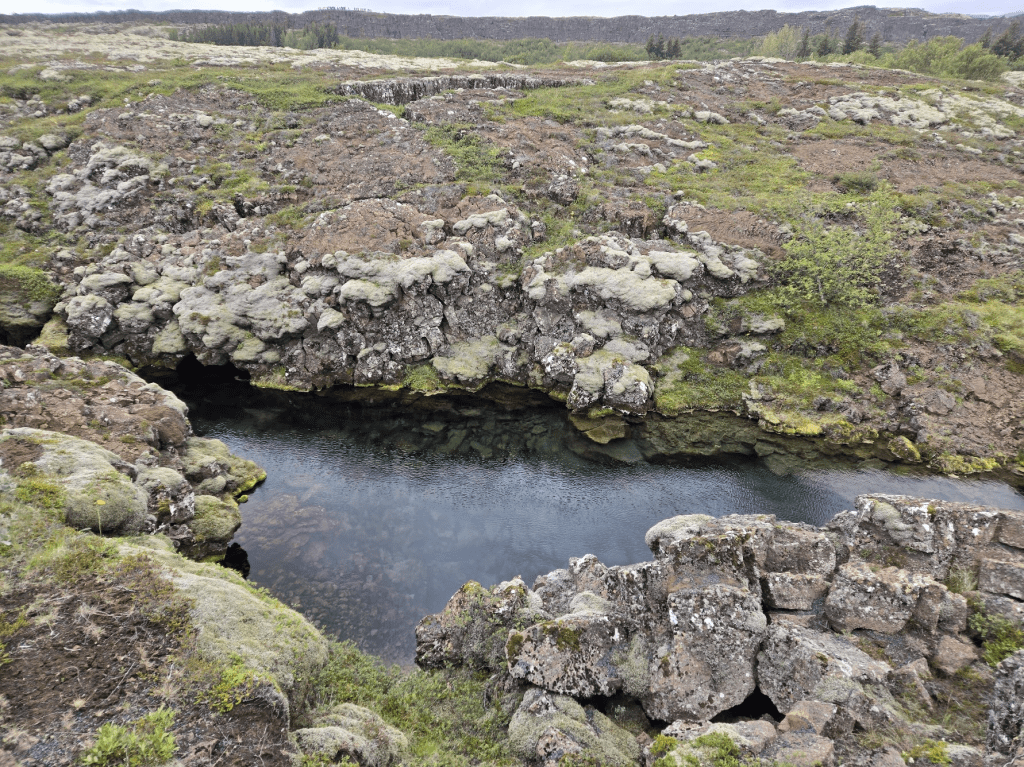
We kicked things off at Þingvellir National Park, where tectonic plates drift apart and the history of Icelandic democracy lives on in moss-covered lava fields. From there, it was a steady counterclockwise march around the island—each stop more dramatic than the last.
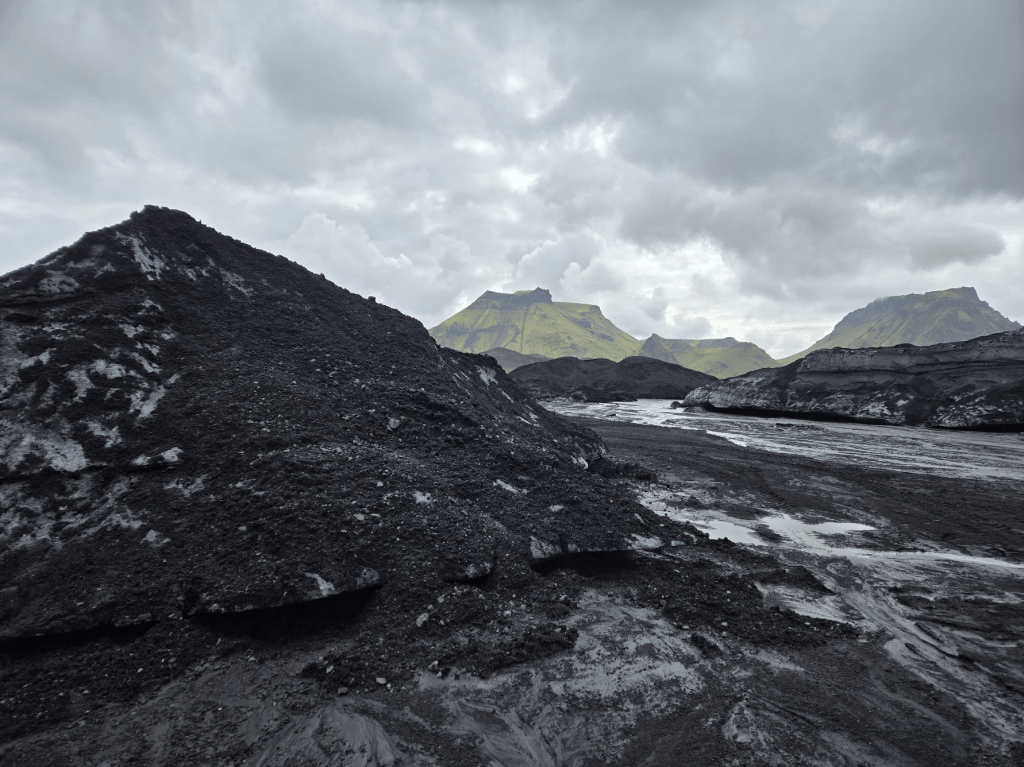
Vik brought black sand beaches and hauntingly beautiful sea stacks. A visit to the Katla Ice Cave gave us the full “Game of Thrones” vibes—frozen, moody, and a little bit magical.
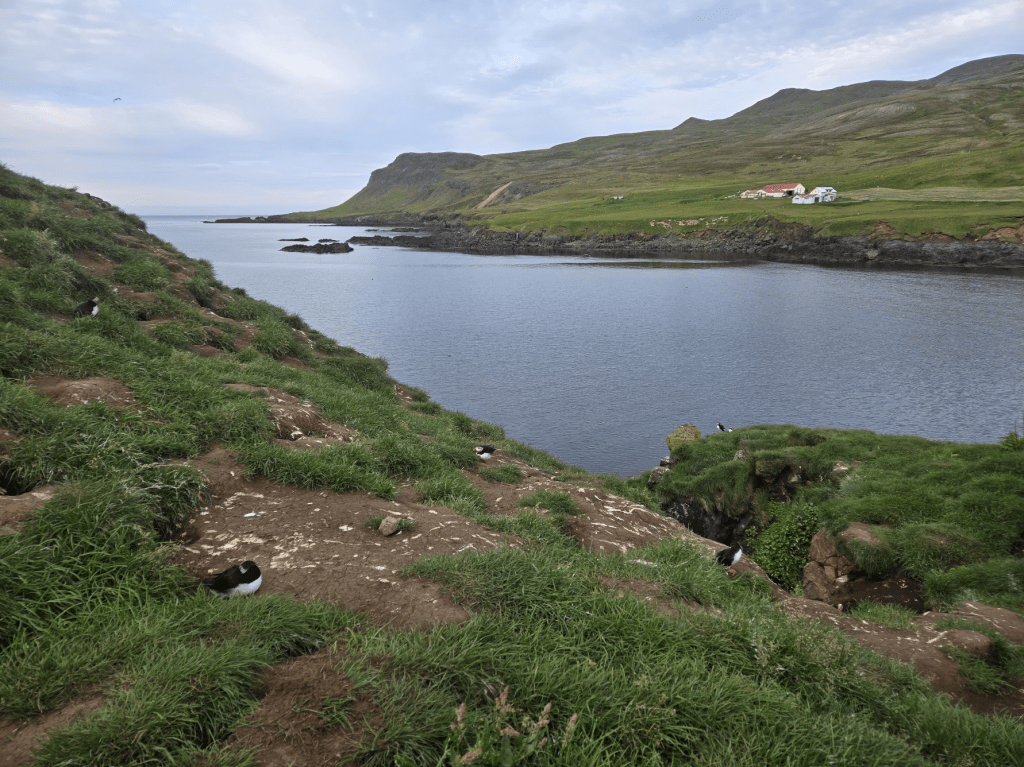
We hit Jökulsárlón Glacier Lagoon, where massive chunks of ice floated silently in sapphire waters, and seals popped up to say hello. From there, the road twisted east to Bakkagerði, home to puffins, coastal hikes, and the Dyrfjallahlaup trail race.

Dyrfjallahlaup: A Race to Remember

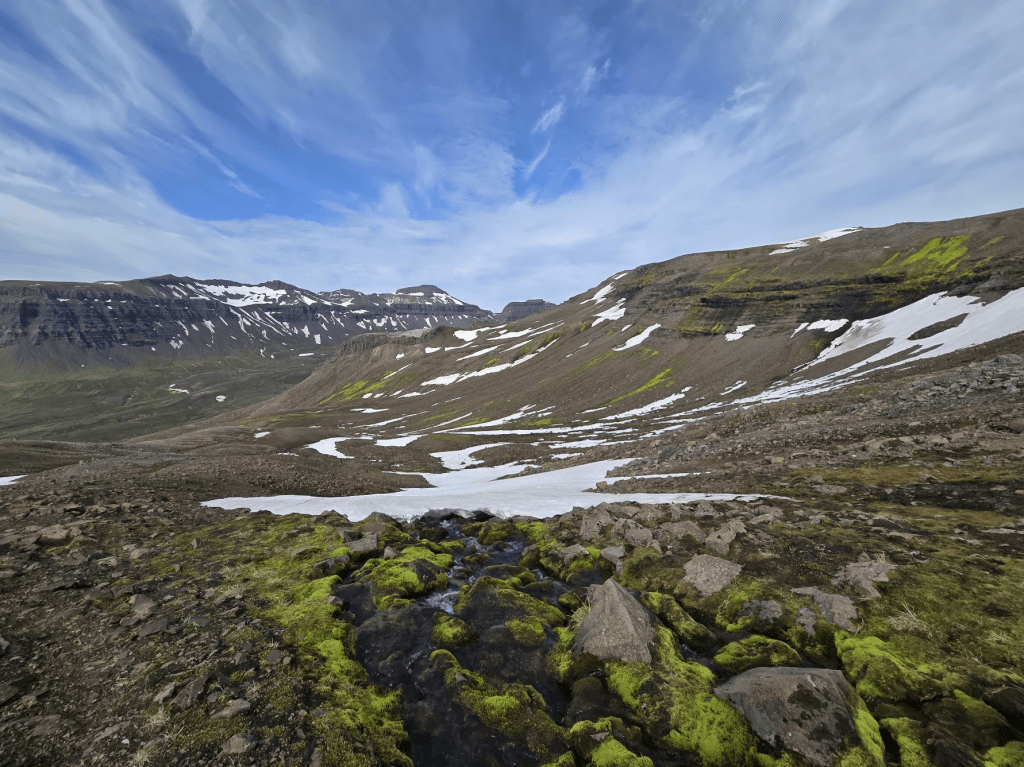
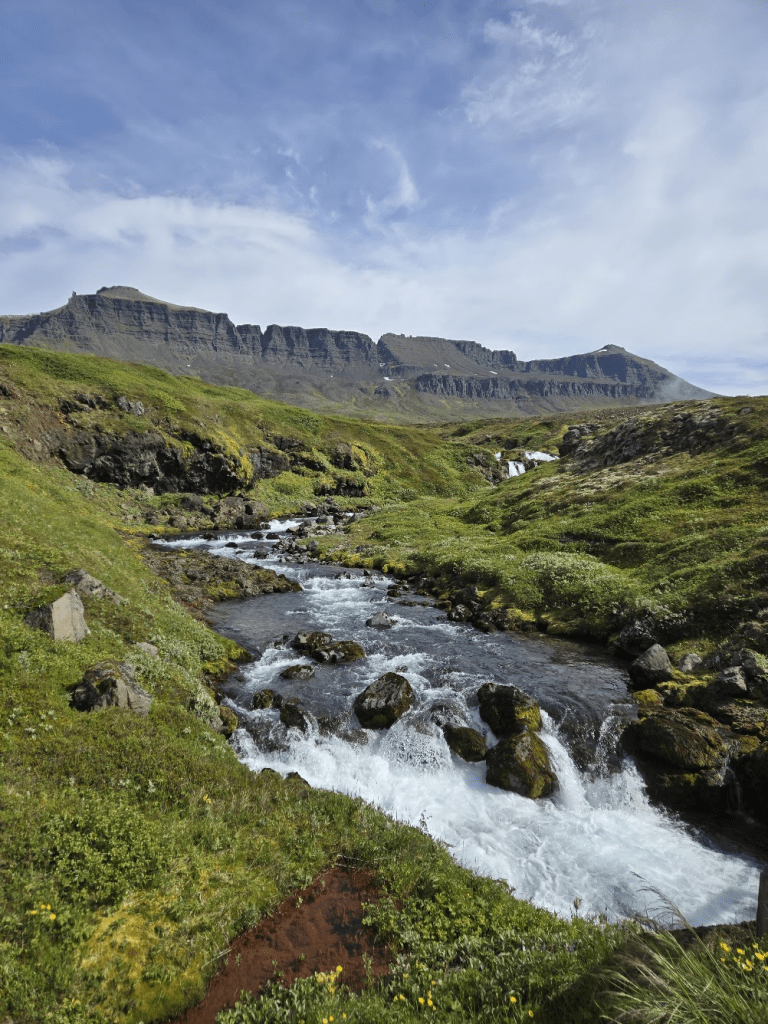
Of course, this wasn’t just a sightseeing trip. For the runners among us, Dyrfjallahlaup was the crown jewel. Traversing the stunning Dyrfjöll Mountains, the trail race winds through volcanic slopes, lush valleys, and cloud-kissed ridgelines that make every uphill worth the burning quads. The course is as humbling as it is breathtaking—a soul-filling journey across Iceland’s wild east that left us sweaty, sore, and completely in awe.
Northern Charm and Thermal Bliss

We looped north through Akureyri, Iceland’s second-largest city, and took a much-needed soak at the Forest Lagoon, where geothermal waters and alpine views made for perfect post-run recovery. The crisp mountain air mixed with the steam made us wonder if maybe Iceland has figured out the secret to happiness after all.
In between hiking, running, and sightseeing, we stopped at KHB Brugghús Brewery & Distillery, a cozy and creative spot with killer craft beer, inventive cocktails, and just enough charm to make you wish it were your neighborhood bar back home.

Food, Fun, and Fermented Surprises

Let’s talk about the pizza. We weren’t expecting Iceland to deliver on this front, but damn—from wood-fired crusts to inventive toppings, Iceland knows how to do pizza right. We devoured pies in tiny towns and bigger cities, often questioning if we came for the trails or the cheese.

Then came Black Death. A traditional Icelandic schnapps (known as Brennivín), this caraway-flavored spirit is often used to wash down fermented shark. We stuck with just the liquor, which was… bold. Let’s just say it lived up to its name.

Reykjavik & the Sky Lagoon Sendoff

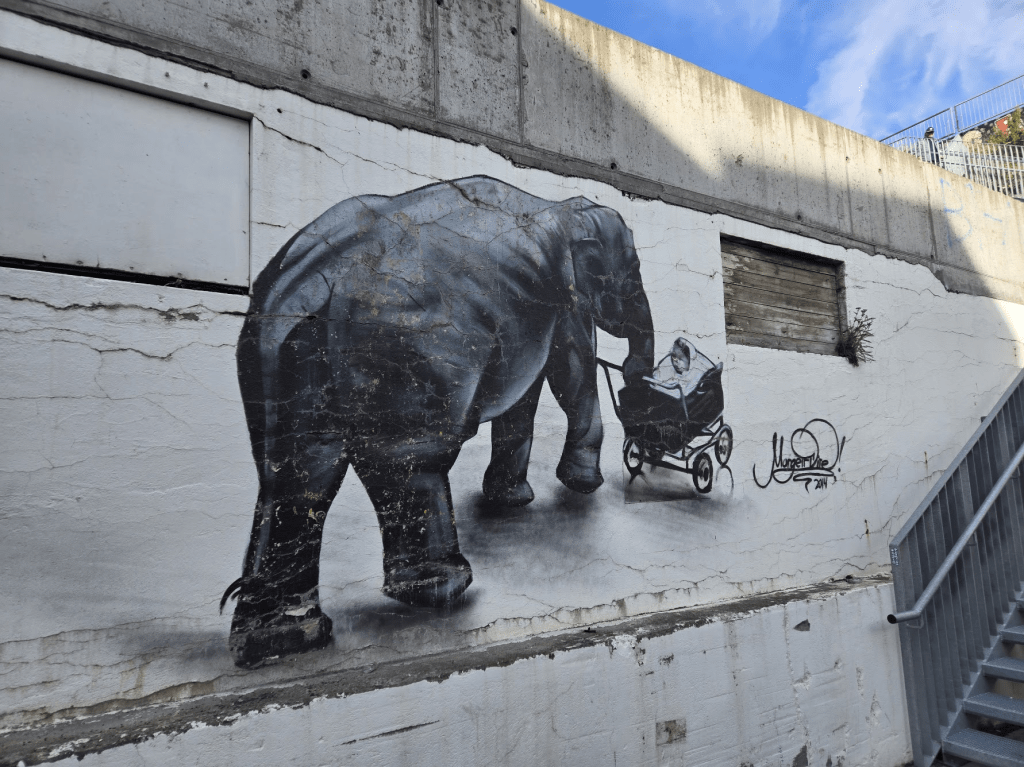
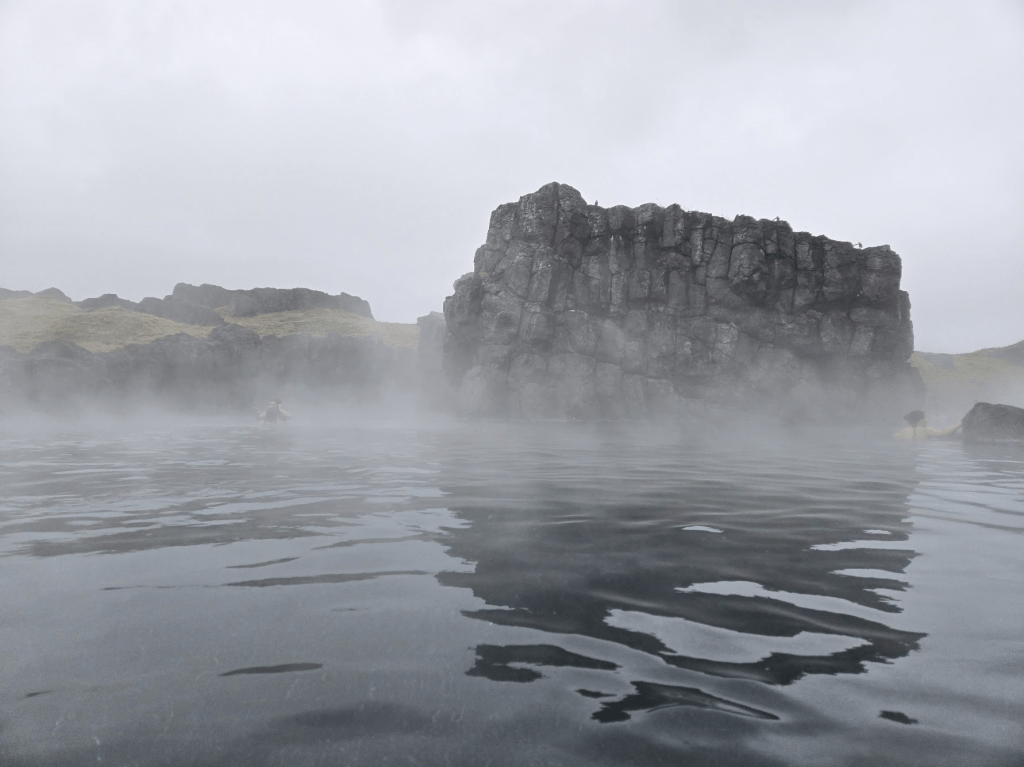
Our final days were spent in Reykjavik, where colorful streets, lively cafés, and Icelandic street art brought a bit of urban flair to our nature-heavy journey. We ended our trip at the Sky Lagoon, floating in the steamy waters overlooking the North Atlantic, bodies relaxed and spirits high.
Final Tally: 880 Miles Driven, 50+ Miles on Foot, Infinite Memories

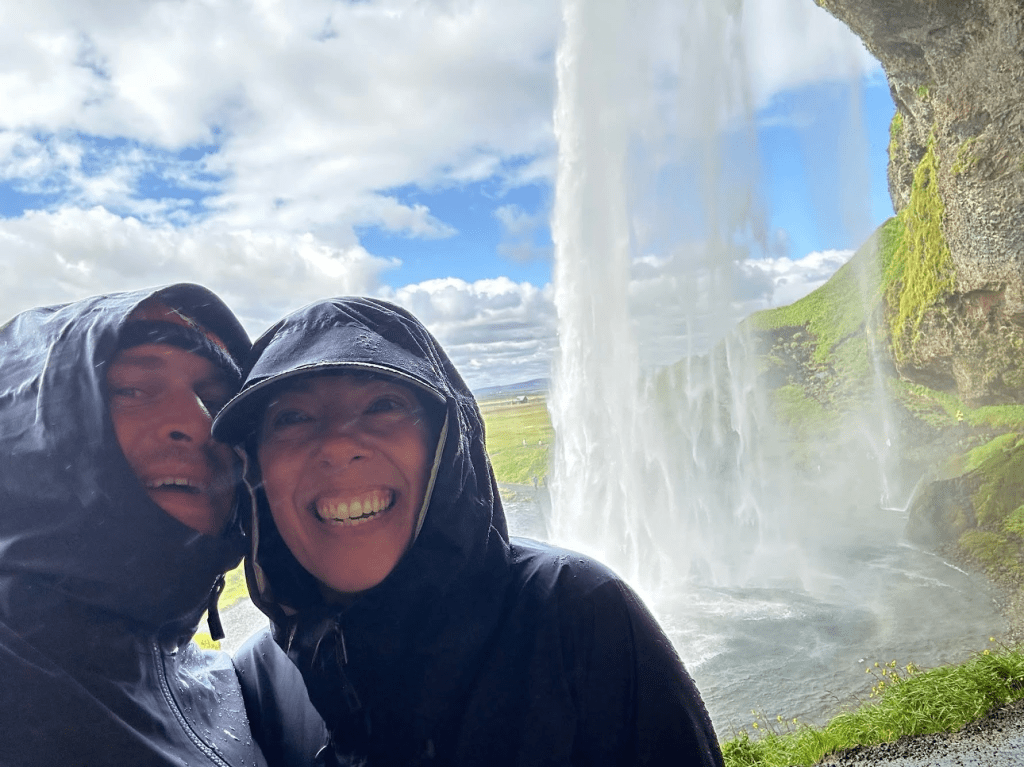
Between the mountain trails, glacier lagoons, craft brews, and all the ridiculous group photos, this Icelandic adventure was everything we hoped it would be—and more. We laughed, ran, hiked, soaked, and yes, even survived the Black Death.

Until next time, Iceland. Or as we now call you: the land of pizza, puffins, and perfectly sore legs.
Race Review: Half Ass 25K – Newville, PA“Half the name, twice the challenge.”

Don’t be fooled by the cheeky name—the Half Ass 25K in Newville, Pennsylvania, hosted by the Meatball Runners, is an all-in, full-send kind of trail race. This course is relentless, gorgeous, and just wild enough to keep you on your toes—especially when those toes might be sharing the trail with a rattlesnake or two.

🌿 The Course: Nature at Its Rawest

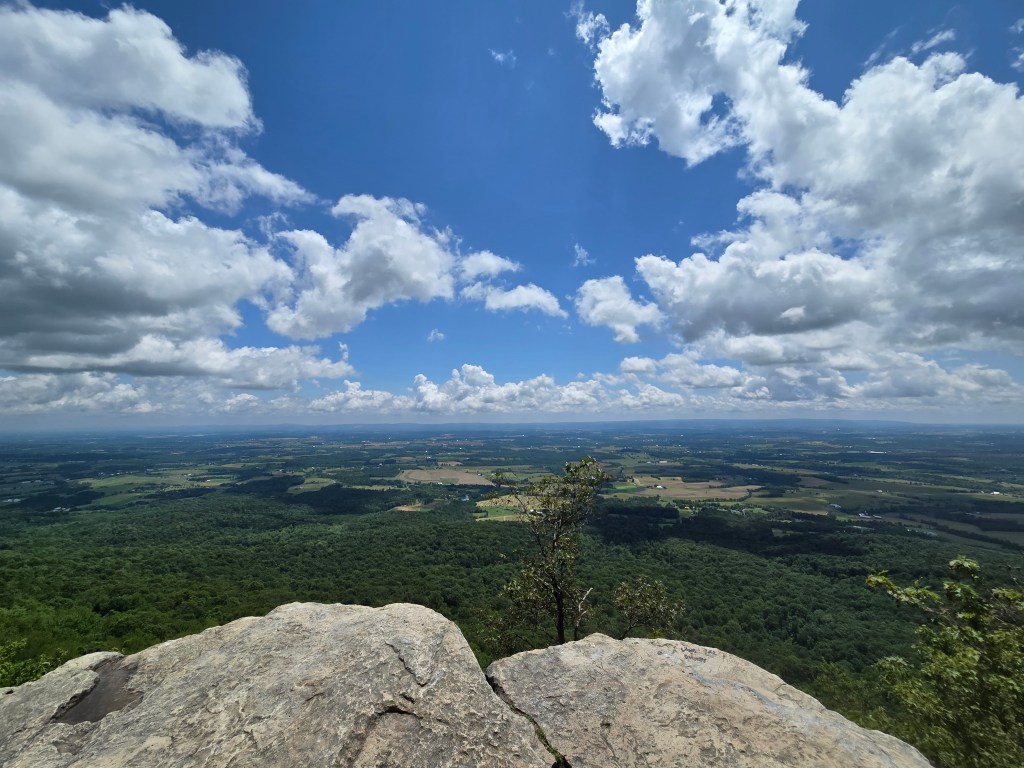
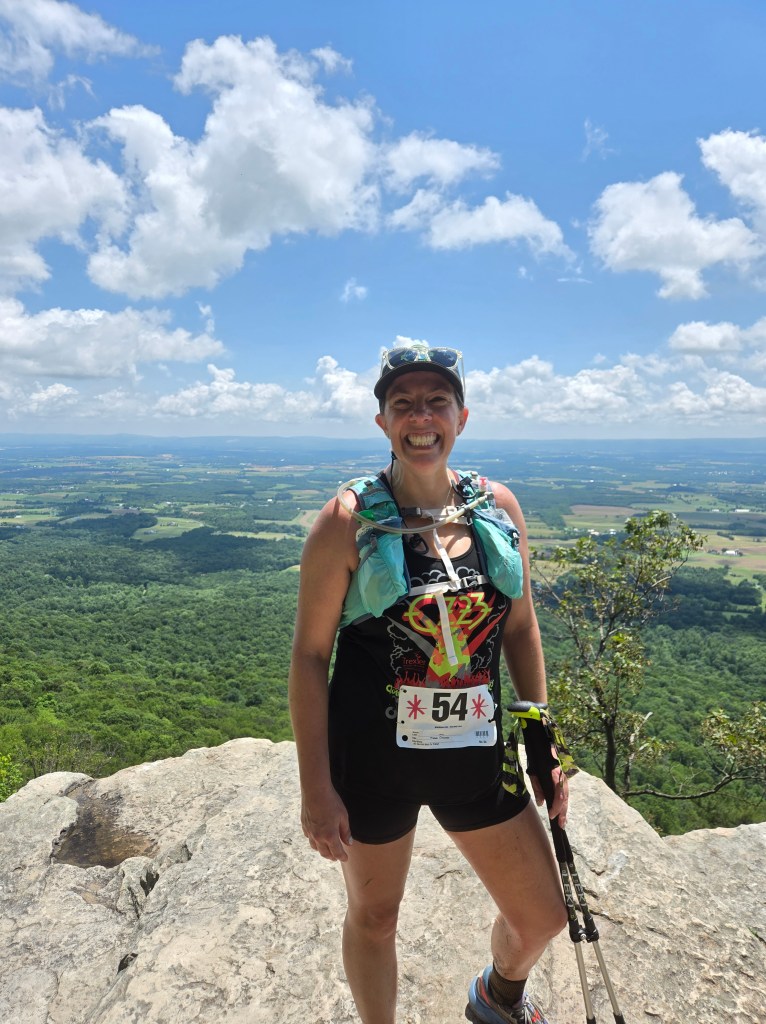
The route winds through a lush and rugged slice of Pennsylvania wilderness. Thick with moss-covered rocks, lichen-draped logs, and blooming mountain laurel, it feels like running through a watercolor painting. Gentle streams and legit water crossings break up the climbing, offering moments of cold, sweet relief. You’ll splash, stumble, and possibly stop mid-stride just to take in the views from the ridgelines—if your quads aren’t screaming too loud to notice.

🐍 Wildlife Encounters: Keep Your Eyes Peeled

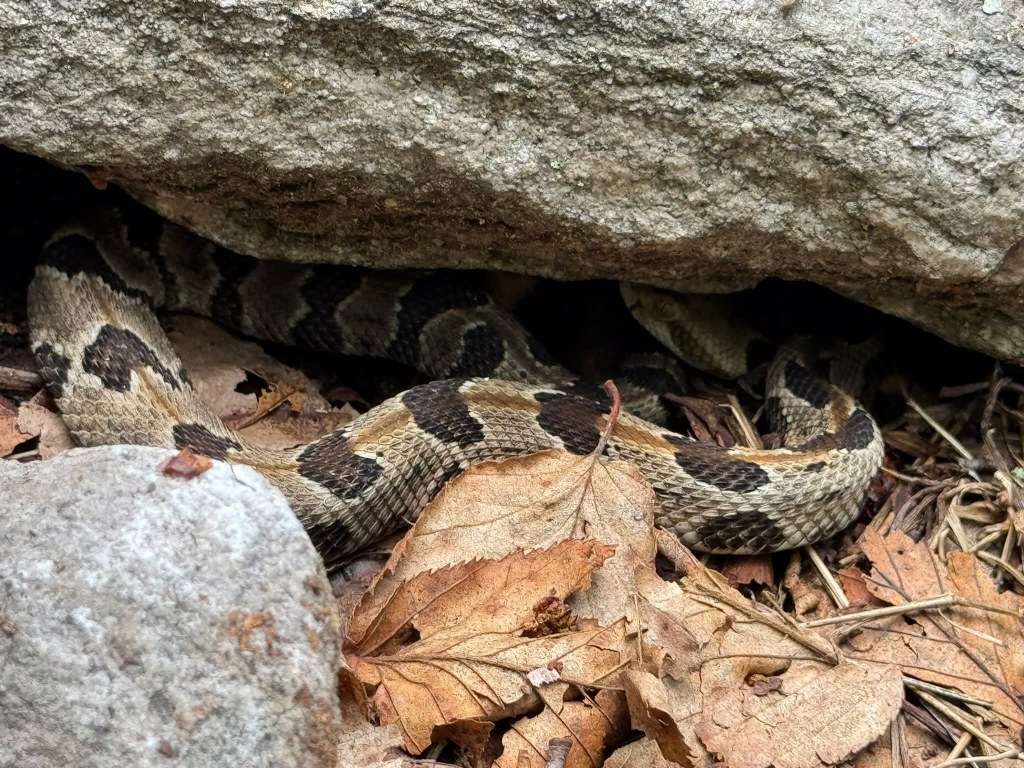
Adding to the authenticity of the experience: rattlesnake sightings. Yup—this isn’t your sanitized city race. Several runners reported spotting timber rattlers coiled trailside, soaking up the sun and reminding us all that this is their turf, we’re just visiting. It’s equal parts thrilling and humbling, and a testament to how untouched and wild this course truly is. (Pro tip: listen for the rattle, and maybe keep one earbud out.)

photo: courtesy of my Trail Sister

⛰️ Elevation: The Ups Just Keep Coming

This course doesn’t gently roll—it climbs with attitude. Technical ascents will test your willpower, and the descents demand full focus unless you want to become one with the trail. The elevation profile is like a jagged heartbeat, with each climb seemingly more feral than the last. It’s punishing, but those sweeping views at the top? 100% worth it.

🙌 Race Directors, Volunteers & Support: All Gold Stars

A massive shoutout to the race directors for designing a course that’s both beautifully brutal and expertly marked. Every twist and turn was easy to follow, every aid station stocked and staffed with the kind of people who get trail runners—energetic, helpful, and armed with snacks and good vibes. Even in snake country.

🏃‍♀️ Runners: Dirt-Covered Legends

The Half Ass community is exactly what trail running should be—tough, gritty, supportive, and just the right amount of weird. There were high-fives on the climbs, jokes on the descents, and plenty of war stories exchanged at the finish line. Whether you were racing hard or just surviving, you belonged here.


Final Verdict:
The Half Ass 25K is no joke. With steep climbs, gorgeous forest trails, ice-cold creek crossings, and the occasional rattlesnake encounter, it’s a raw, unfiltered trail experience. Come for the views, stay for the leg burn, and leave with stories you’ll be telling for years. Trail running at its finest—and fiercest.

Race Recap: Philly Trail Marathon – Wissahickon Valley Park

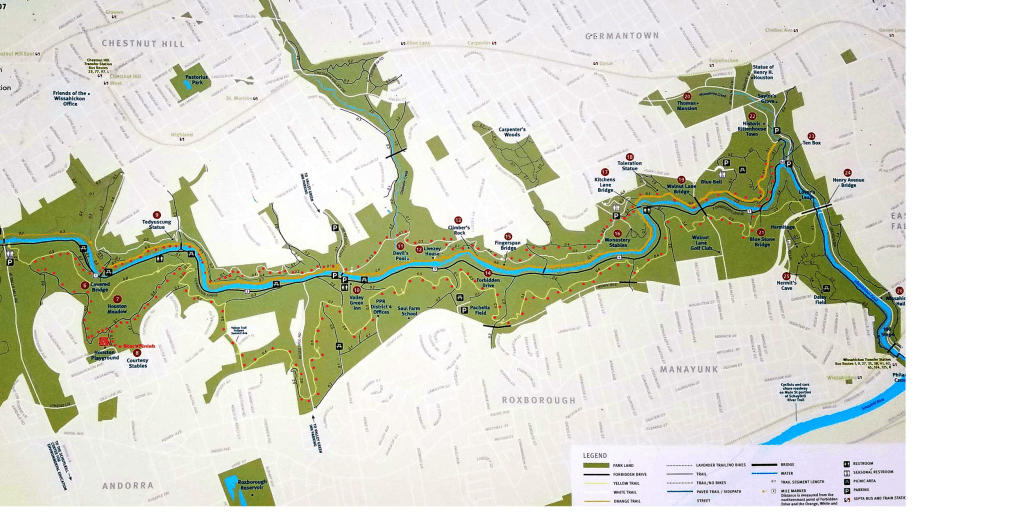
On April 12, 2025, I ran the Philly Trail Marathon at Wissahickon Valley Park in Philadelphia—and it might be one of my new favorite races. Nestled just outside the buzz of the city, this gem of a trail marathon delivered everything I love about running in the woods: flowy singletrack, gnarly rocks, steep climbs, creek crossings, and a vibe that felt like one big muddy celebration of trail community.

The Course

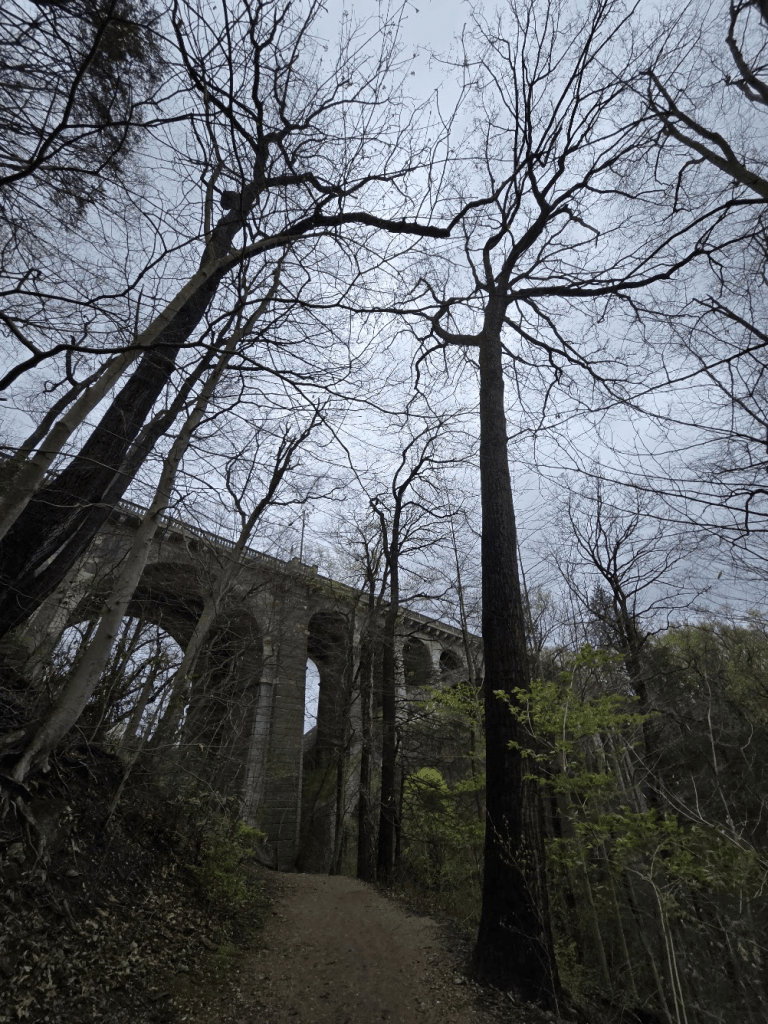
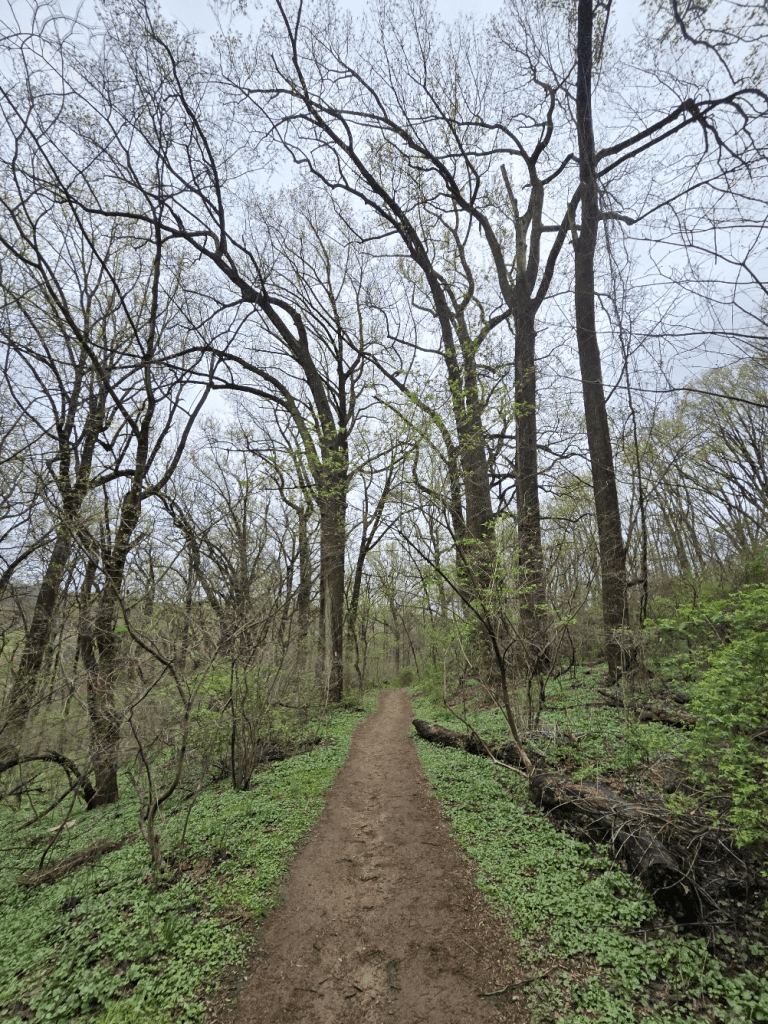
Wissahickon Valley Park is such a surprising oasis—lush, rugged, and wonderfully wild. The race started with rolling hills that warmed you up quickly, followed by winding trails through towering trees and rocky outcrops that demanded your attention (and the occasional power hike). It was the kind of course that keeps you honest: technical in spots, but totally runnable if your legs and mind were willing to stay engaged.

Spring showed up right on time. The trails were lined with fresh greenery, blooming wildflowers, and the sound of rushing water after a week of rain. There were a few slick patches and muddy spots, but that just made it more fun—exactly what a trail marathon should be.

The Fuel (aka: My Love Letter to PB&J)

Fueling for this race was simple but effective: peanut butter and jelly sandwiches. I packed a few cut-up squares in a ziplock and kept them handy in my vest. Every hour or so, I’d pop one like a trail-running Lunchable. Something about the combo of carbs, fat, and nostalgia made it the perfect trail snack. Plus, the aid stations were fully stocked and full of energy—volunteers handing out everything from orange slices to pickle juice with big smiles and even bigger cheers.

The Vibe

What really stood out was the community energy. From the friendly pre-race chatter to the trail-side encouragement between runners, it felt more like a group adventure than a competition. The volunteers were the heart of the event—cheering, laughing, and keeping things moving with amazing positivity (and snacks, of course).

Crossing the finish line was the perfect mix of exhaustion and joy. Post-race treats, muddy legs, high-fives, and that deep satisfaction of knowing you just did something hard—and loved it.

A Shoutout to Uberendurancesports

I can’t wrap up this recap without giving a huge shoutout to Uberendurancesports, the masterminds behind this incredible event. Their commitment to organizing affordable, fun races with a unique German twist is truly commendable. From the well-marked trails to the enthusiastic volunteers and the delightful post-race atmosphere, their events are a testament to their passion for the running community. If you’re looking for a race that combines challenge, camaraderie, and a touch of European flair, look no further than Uberendurancesports.

Final Thoughts

If you’re looking for a trail race that’s scenic, challenging, and full of heart, put the Philly Trail Marathon on your list. Wissahickon Valley Park delivered in every way. I’ll absolutely be back next year—with fresh legs, more PB&Js, and maybe a few friends in tow.

The History of Cairns: Marking Paths, Memories, and Sacred Spaces

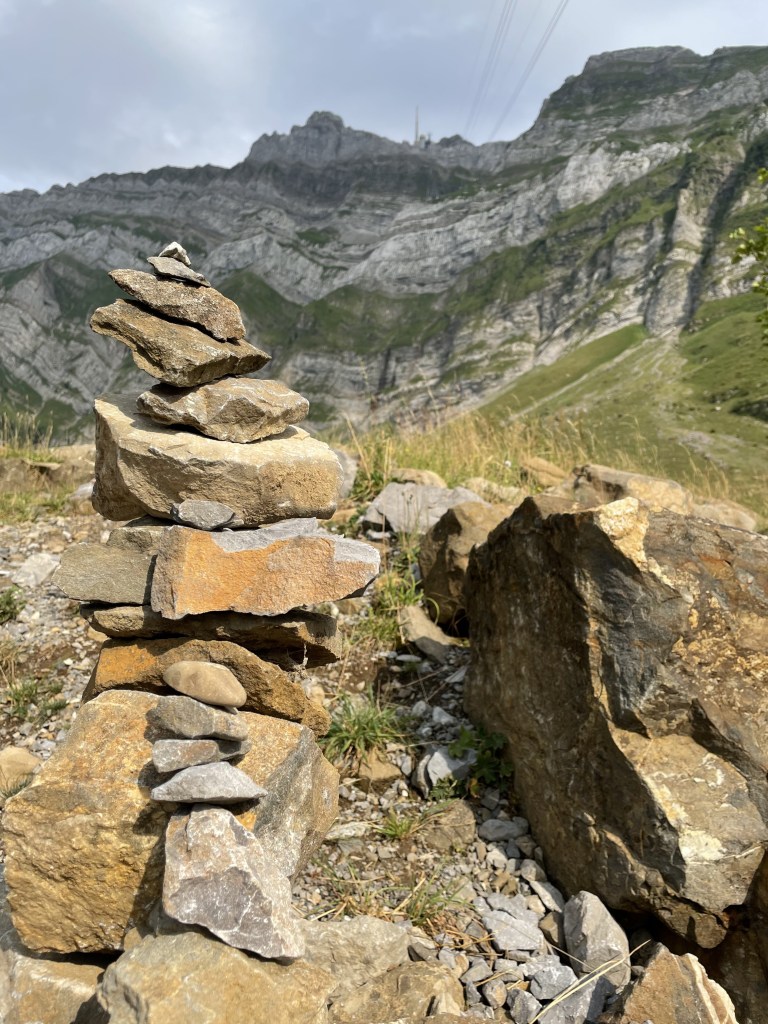
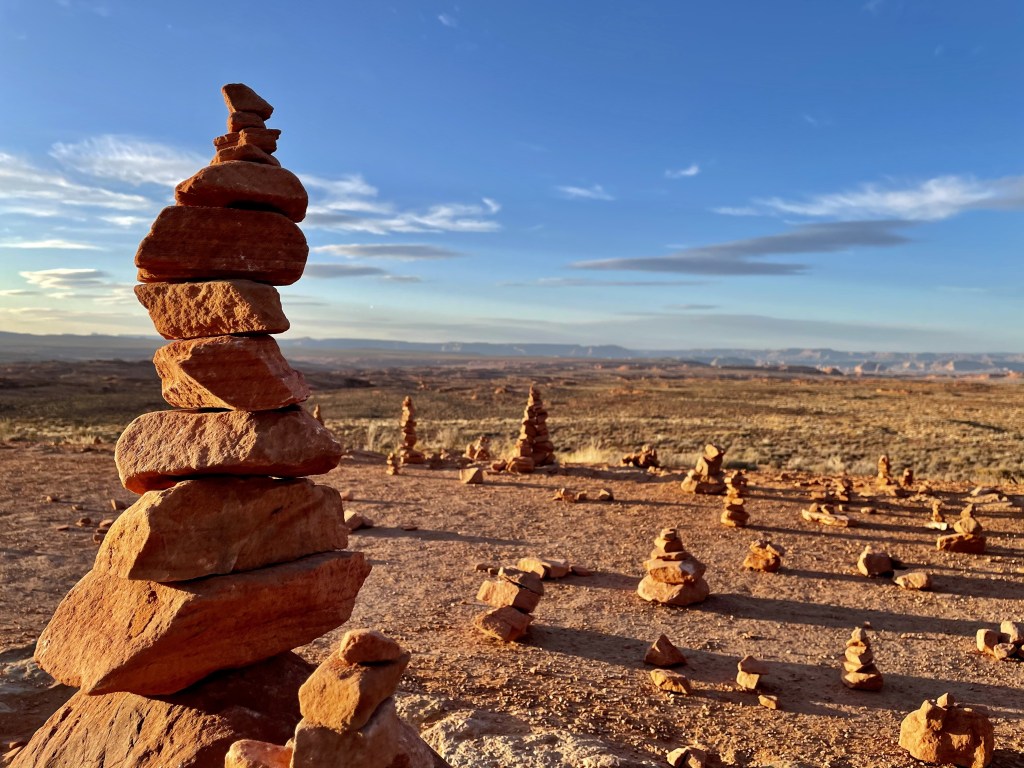
Cairns, those stacked formations of stones found atop hills, along trails, or marking ancient paths, are small yet profound testaments to human history and culture. These simple rock piles have appeared across continents and eras, serving practical, symbolic, and spiritual purposes. In this post, I’ll delve into the fascinating history of cairns, exploring their origins, cultural significance, and evolution over time.

Origins and Early Uses

The word “cairn” originates from the Scottish Gaelic càrn, which translates to “heap of stones.” This term fittingly reflects the rugged landscapes of Scotland, where cairns have a long-standing history. Yet, cairns are not unique to Scotland; they can be found in cultures worldwide. Early hunter-gatherer societies often constructed cairns for navigational purposes, marking trails, borders, or significant locations across vast, unmarked landscapes.

Cairns are among humanity’s earliest landmarks. They appear in ancient landscapes across Europe, North America, Africa, and Asia. In Norway, for instance, cairns were used as wayfinding markers across its rocky, often featureless terrain. For Indigenous peoples in North America, these stone markers—known as inuksuit in Inuit culture—were used to signal hunting grounds, fishing spots, and sacred spaces.

Cairns in Spiritual and Cultural Traditions

Beyond navigation, cairns have held deep spiritual and cultural meanings. In many ancient cultures, cairns were built as offerings to deities or spirits. In Celtic traditions, cairns were often placed atop hills as sacred markers, signifying sites of importance or tribute to gods and ancestors. Similar practices were observed in other parts of Europe, where cairns marked burial mounds, symbolizing both respect and protection for the deceased.

In Japan, cairns—known as ojizō-sama—are constructed to honor the deity Jizo, the guardian of travelers and children. People place small stones to commemorate loved ones or as a sign of gratitude and protection, creating layers of meaning and community memory around these structures.

Navigational Significance: Trail Cairns and Beyond

Throughout history, cairns have continued to serve as valuable tools for navigation, especially in remote or harsh environments where natural landmarks are scarce. Known as “trail cairns,” these formations are often placed at intervals along paths, guiding hikers, pilgrims, and travelers through difficult terrain. In countries like Iceland and Nepal, where landscapes can be rugged and disorienting, cairns have been lifesaving markers.

Pilgrimage routes have also seen the use of cairns as spiritual and directional markers. For instance, on the Camino de Santiago in Spain, pilgrims often add stones to existing cairns along the route as a symbol of leaving burdens behind or as a gesture of gratitude for safe passage. This act of adding to a cairn creates a shared experience that connects people across time and culture.

Modern-Day Cairns: From Art to Environmental Concerns

Today, cairns appear in national parks, hiking trails, and even urban landscapes. Modern cairns often function as both art installations and environmental markers. In some places, artists create temporary cairns to celebrate the beauty of nature or as symbols of harmony and balance. Others use cairns to promote mindfulness, encouraging people to slow down and appreciate their surroundings.

However, with their rise in popularity, some environmental concerns have emerged. Many people build cairns for aesthetic purposes without considering their impact on ecosystems. Disrupting natural stone placements can lead to erosion, harm local habitats, and confuse hikers if unauthorized cairns are placed along established trails. Park rangers now educate visitors on the responsible and respectful handling of cairns, reminding them of their original purpose as wayfinding tools and symbols rather than decorations.

Cairns as Symbols of Connection and Legacy

Ultimately, cairns remain powerful symbols of humanity’s connection to the land, to each other, and to past generations. Each stone added to a cairn reflects the intention, care, and sometimes prayers of those who came before us. In many ways, building or adding to a cairn connects us to an ancient practice, one that resonates across cultures and centuries.

In our fast-paced modern world, cairns encourage us to pause, reflect, and honor our journey. Whether as wayfinders, tributes, or sacred markers, cairns remind us that even simple acts can hold deep significance—rooting us to both history and the landscapes we traverse.

From the mountains of Scotland to the deserts of North America, cairns stand as quiet witnesses to the journeys we have taken and those still to come.

Experiencing the Joy and Impact of Ainsley’s Angels Races

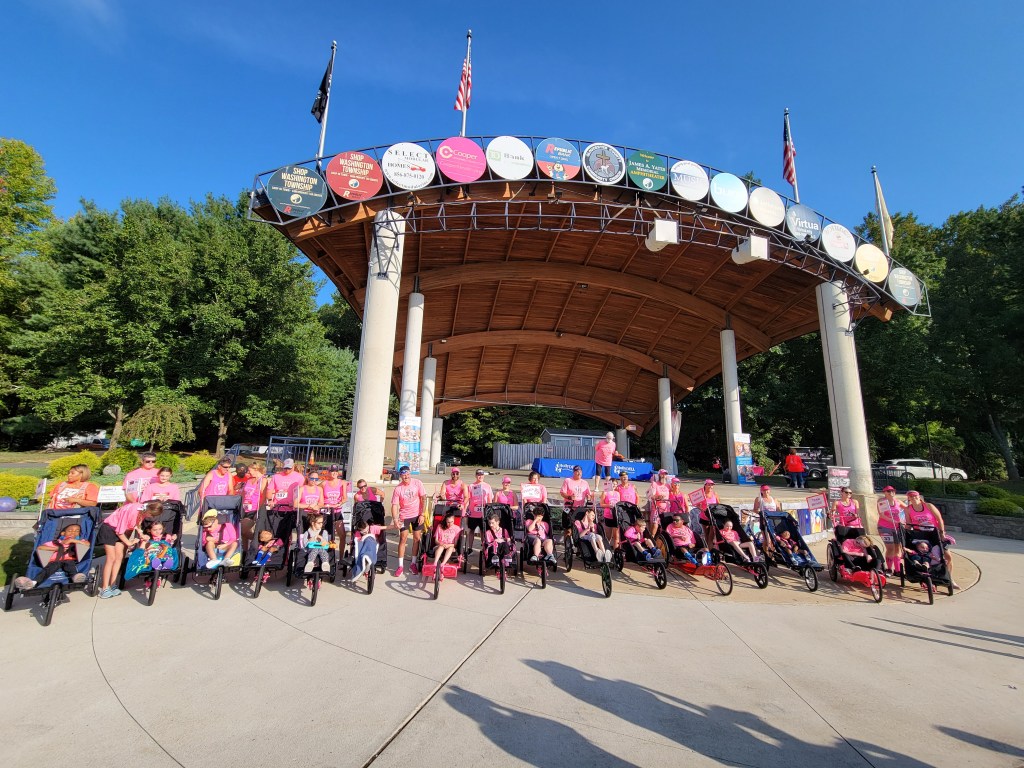
Ainsley’s Angels is more than just a racing series—it’s a vibrant community where athletes of all abilities come together to share in the joy of racing. Participating in one of their events offers a unique opportunity to witness firsthand the transformative power of inclusion in sports. Through my own experiences and observations, I’ve seen the profound impact that these races have on participants and spectators alike.

What is Ainsley’s Angels?

Ainsley’s Angels of America is a non-profit organization aimed at building awareness about America’s special needs community through inclusion in all aspects of life, especially endurance events. Founded in honor of Ainsley Rossiter, a young girl who suffered from a rare terminal illness that progressively paralyzed her body, the organization thrives on the philosophy that everyone deserves to be included.

The Impact of Inclusion

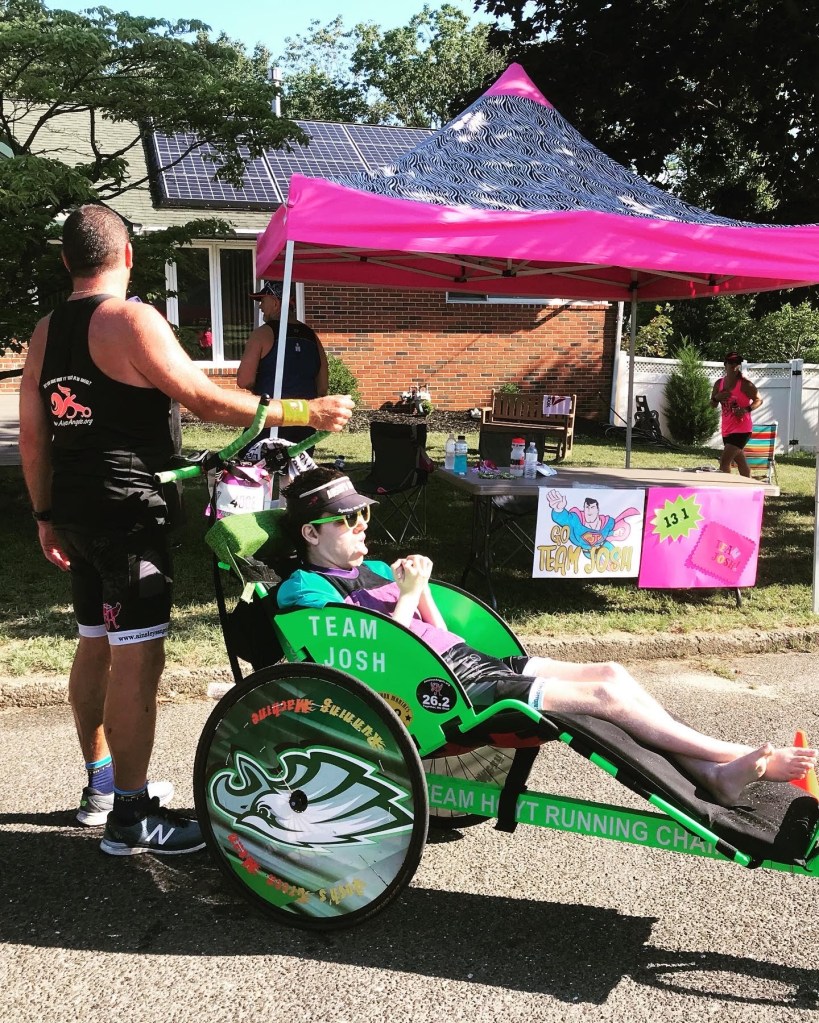
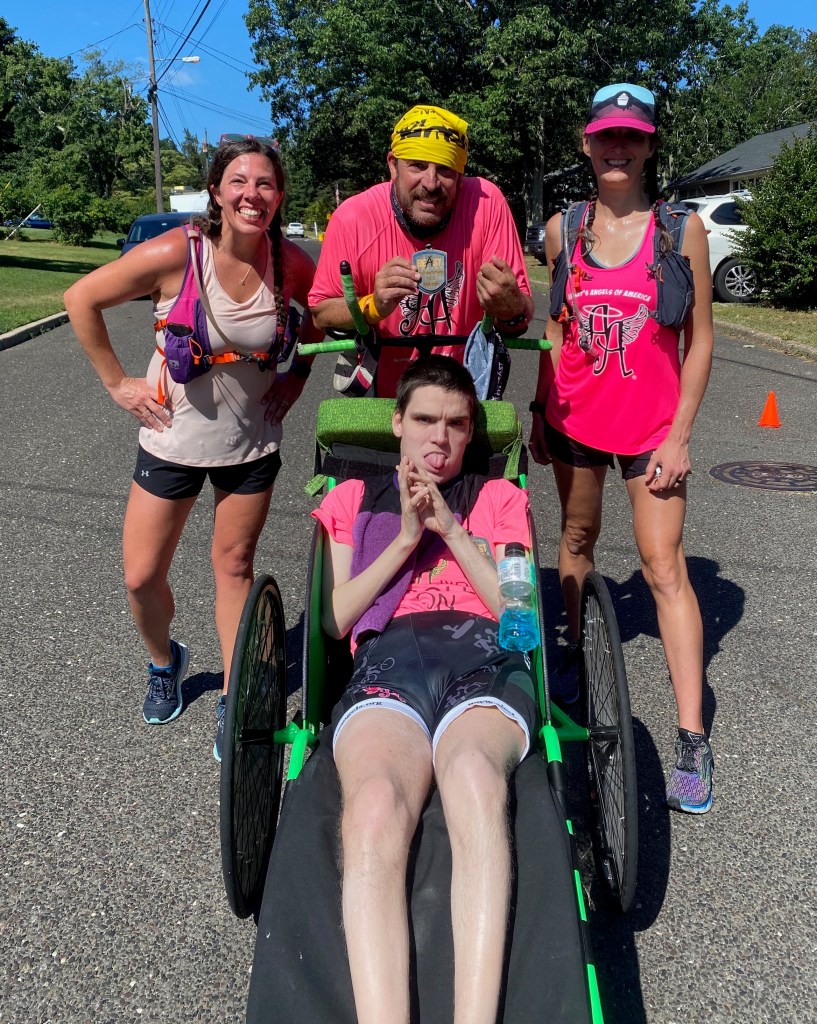
At the core of Ainsley’s Angels is the belief that everyone should have the opportunity to experience the thrill of crossing a finish line. This is made possible through the use of special racing chairs that allow riders (those with disabilities) to participate alongside runners (those who push the chairs). This setup not only provides a thrilling physical experience for the riders but also fosters a deep sense of community, support, and mutual respect among all participants.

A Personal Story

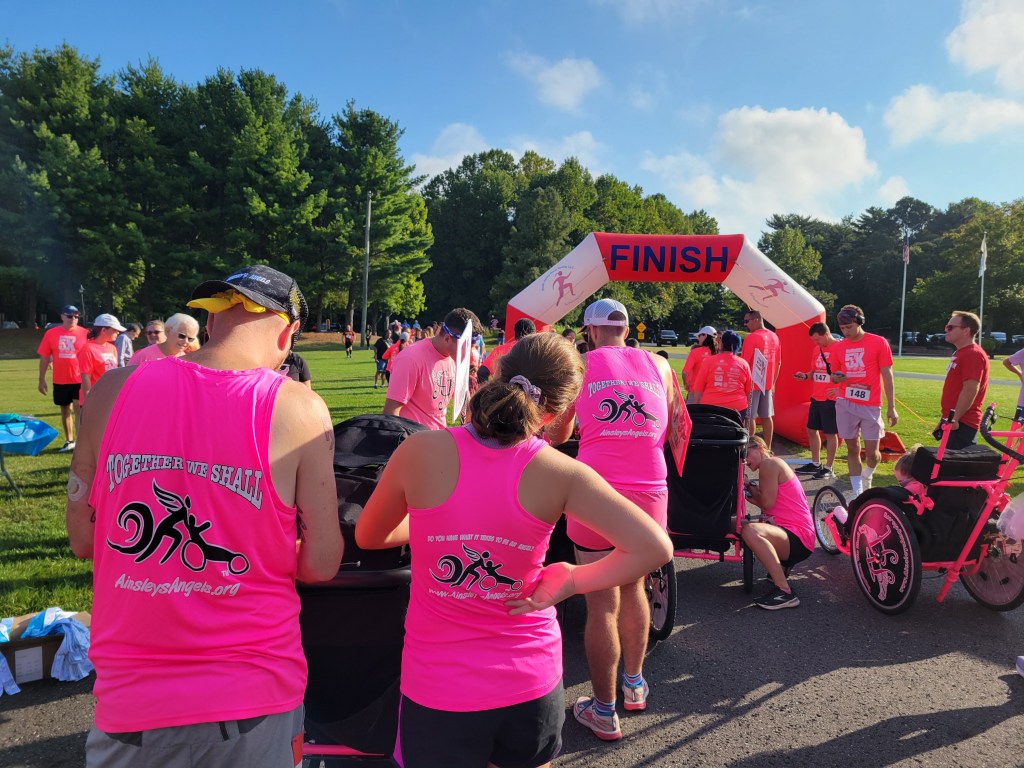
I remember witnessing my first race with Ainsley’s Angels vividly. It was a blend of excitement, nervous energy, and a profound sense of purpose and gratitude. I volunteered to assist with getting participants ready for the starting line. And met them along the course to take pictures and cheer on the sea of pink.

Seeing the teams as they were crossing the finish line was an emotional triumph. It was a powerful reminder of the strength of the human spirit and the joy that comes from shared experiences. This event was more than a race; it was a celebration of ability, determination, and inclusivity.

The Ripple Effect

The impact of participating in an Ainsley’s Angels race extends far beyond the day of the event. Families of riders often speak about the positive changes they see in their loved ones—increased happiness, social interaction, and a general sense of achievement. For the runners, it instills a sense of accomplishment and provides a fresh perspective on the challenges others face and the power of empathy and support.

Beyond the Race

Ainsley’s Angels also advocates for inclusivity in daily life, not just during races. They work tirelessly to promote understanding and acceptance for individuals with special needs in schools, workplaces, and other community spaces. The organization’s efforts highlight the importance of looking beyond disabilities and recognizing the individual abilities and potential in everyone.

Joining Ainsley’s Angels

For anyone considering joining an Ainsley’s Angels race or supporting their cause, I highly recommend it. Whether you’re a seasoned runner or someone looking to contribute to a meaningful cause, there is a place for you here. It’s more than just participating in a race; it’s about becoming part of a community that cherishes every member’s contribution, regardless of physical ability.

Conclusion

The essence of Ainsley’s Angels transcends the races themselves. It is about creating a society where inclusion is not just an ideal but a practiced reality. Every race is a step towards this vision, and each participant, whether a rider or runner, becomes an ambassador of this powerful message. As I look forward to my next race with Ainsley’s Angels, I am reminded of the beauty of our shared humanity and the endless possibilities that come from simply saying, “Yes, you can.”

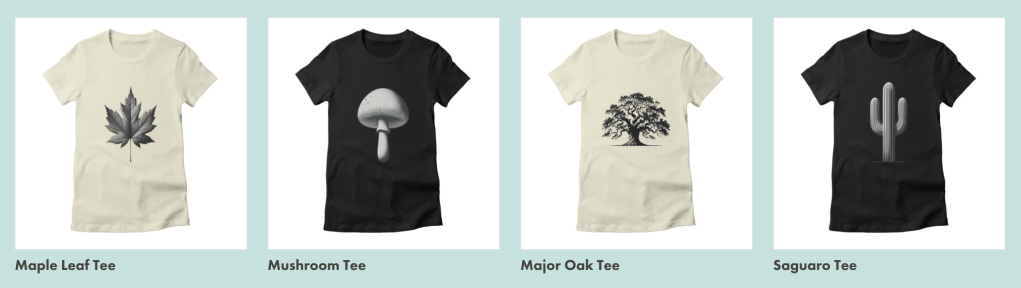
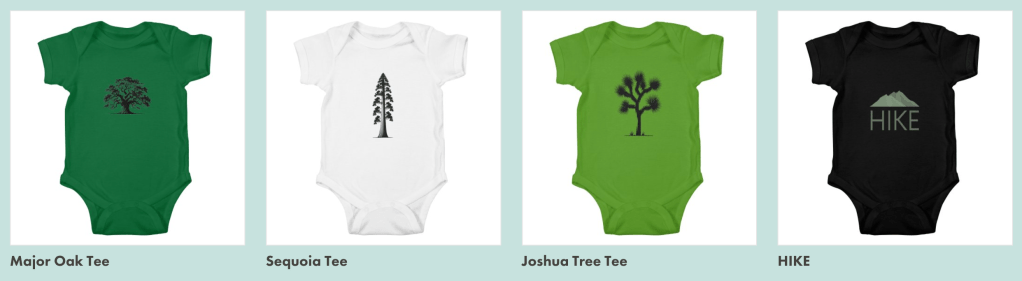
Exciting News: Launch of My Nature-Inspired Online Shop!

Hello, nature lovers!

I am thrilled to share some exciting news with you: my brand-new online shop, magnoliasandfluff.threadless.com, is officially live! 🌿✨ After months of passion and dedication, I’ve created a space that celebrates the beauty and inspiration found in the great outdoors.

I believe that nature is not just a backdrop but a vital source of creativity and tranquility. This collection features unique apparel adorned with stunning graphics inspired by the wonders of the natural world. From breathtaking flowers to majestic arbor designs, each piece is crafted to help you express your love for nature in your everyday style.

Why Nature-Inspired?

Nature has a unique way of connecting us all. Whether it’s the calming sound of rustling leaves or the vibrant colors of a sunset, these experiences remind us of the beauty around us. These designs aim to capture those moments, bringing them into your wardrobe and everyday lifestyle. I want you to feel that connection to nature with thoughtful pieces for your home, wearing this apparel or gifting the beauty of the wilderness.

What Can You Expect?

  • Unique Designs: These pieces feature original graphics that celebrate the diversity of the natural world, from lush forests to tranquil oceans. Each design tells a story and evokes the beauty of the environment.
  • Quality Comfort: We know that style is important, but so is comfort. Our apparel is designed to be soft, breathable, and perfect for any adventure—whether you’re hiking in the woods or lounging at home.

Join Me!

I invite you to explore my collection. Follow me on social media for updates, nature inspiration, and more exciting news. I can’t wait to see how you style your favorite pieces!

Thank you for supporting my vision of merging style with nature. Together, let’s embrace the beauty of the world around us!

With love for nature,
Patricia
Magnolias and Fluff

#NatureInspired #ShopNow