Blog

Experiencing the Joy and Impact of Ainsley’s Angels Races

Ainsley’s Angels is more than just a racing series—it’s a vibrant community where athletes of all abilities come together to share in the joy of racing. Participating in one of their events offers a unique opportunity to witness firsthand the transformative power of inclusion in sports. Through my own experiences and observations, I’ve seen the profound impact that these races have on participants and spectators alike.

What is Ainsley’s Angels?

Ainsley’s Angels of America is a non-profit organization aimed at building awareness about America’s special needs community through inclusion in all aspects of life, especially endurance events. Founded in honor of Ainsley Rossiter, a young girl who suffered from a rare terminal illness that progressively paralyzed her body, the organization thrives on the philosophy that everyone deserves to be included.

The Impact of Inclusion

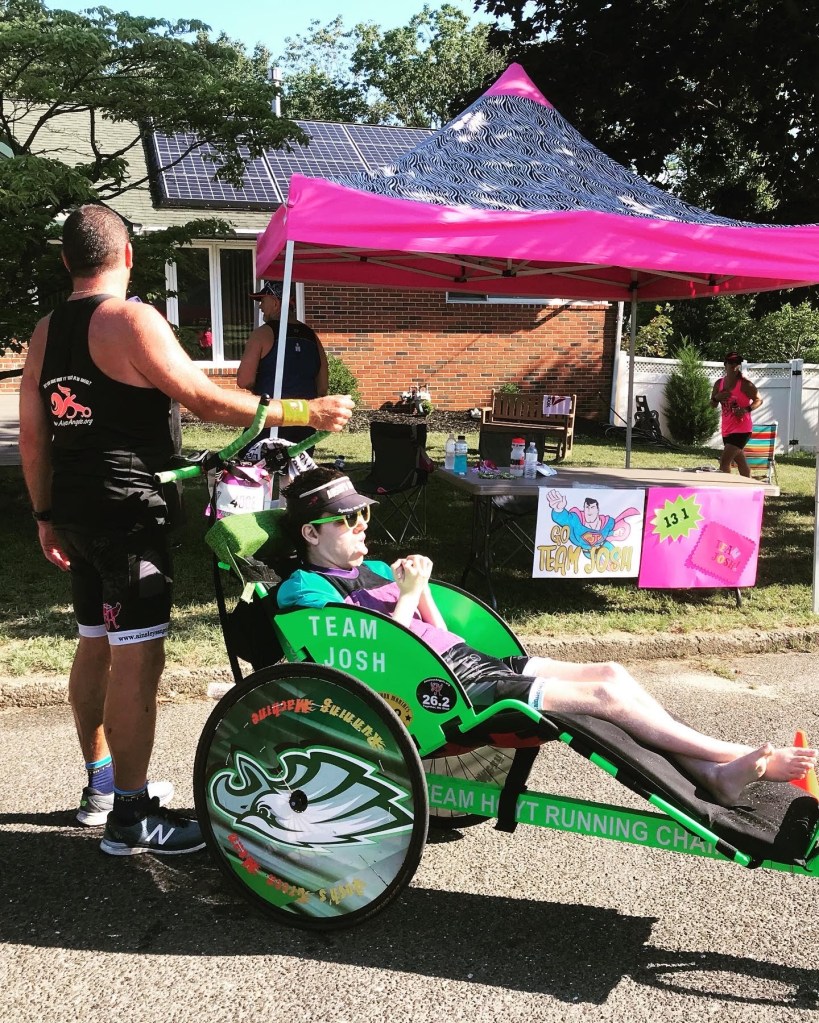
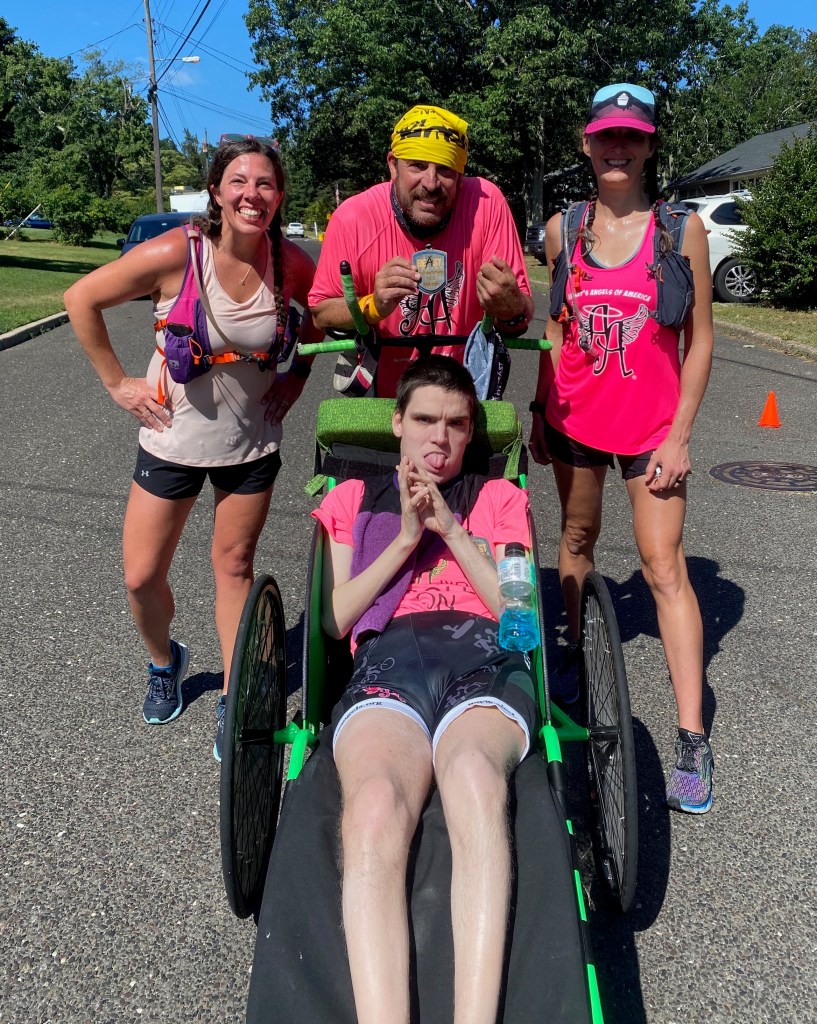
At the core of Ainsley’s Angels is the belief that everyone should have the opportunity to experience the thrill of crossing a finish line. This is made possible through the use of special racing chairs that allow riders (those with disabilities) to participate alongside runners (those who push the chairs). This setup not only provides a thrilling physical experience for the riders but also fosters a deep sense of community, support, and mutual respect among all participants.
A Personal Story

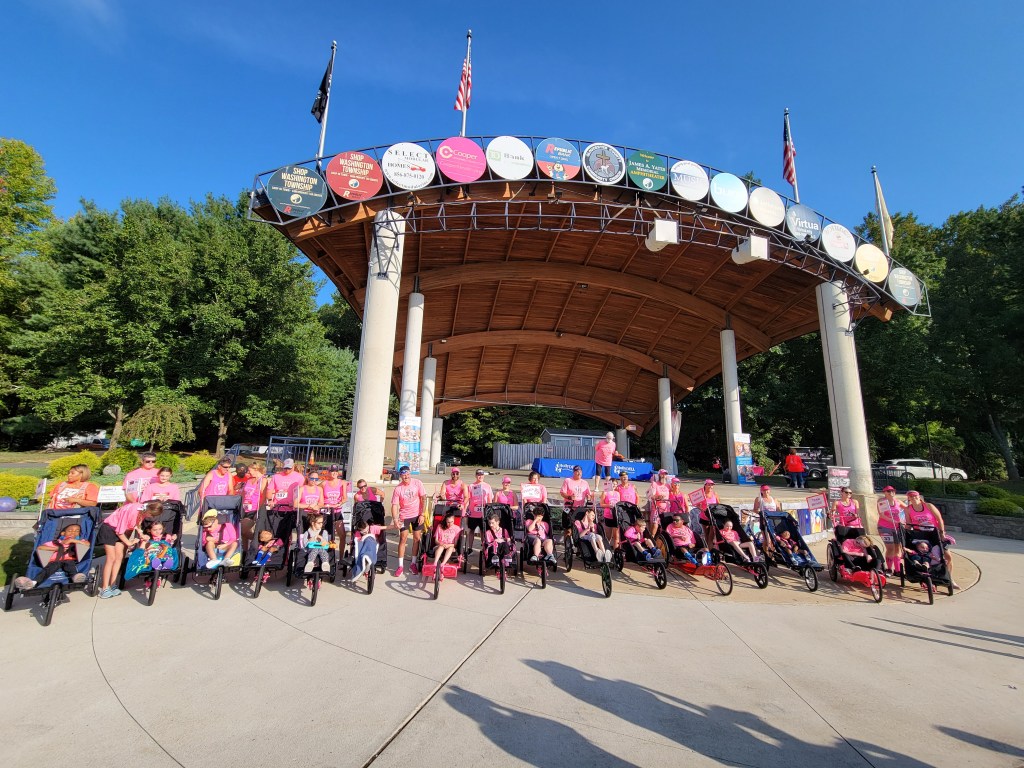
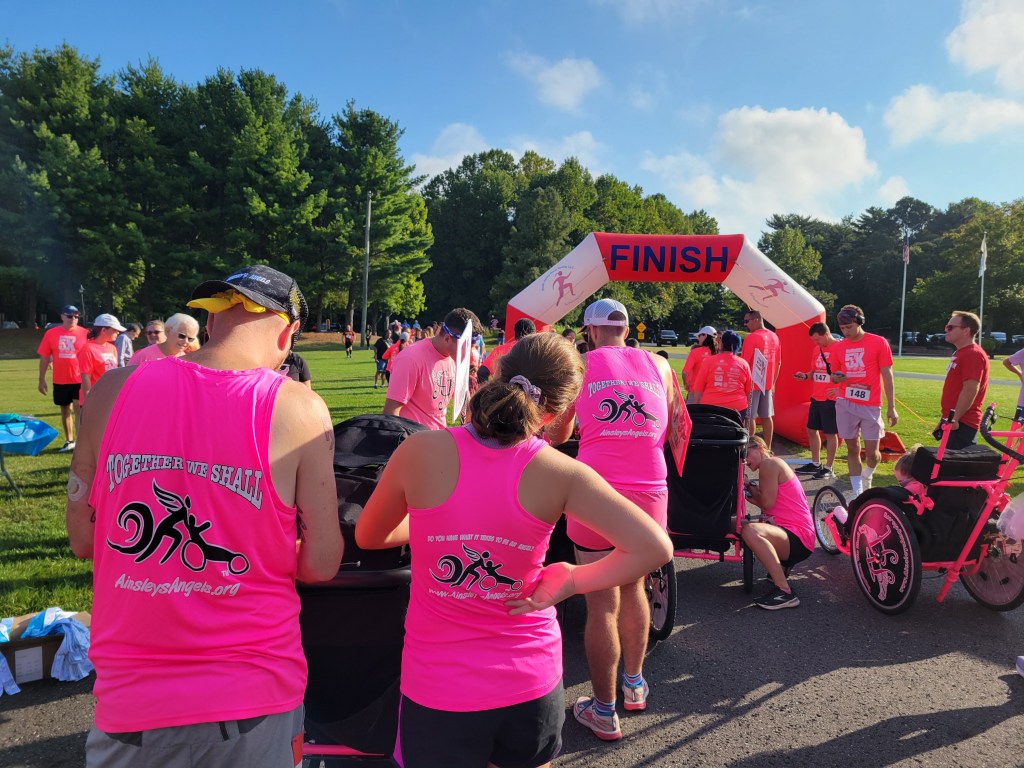
I remember witnessing my first race with Ainsley’s Angels vividly. It was a blend of excitement, nervous energy, and a profound sense of purpose and gratitude. I volunteered to assist with getting participants ready for the starting line. And met them along the course to take pictures and cheer on the sea of pink.

Seeing the teams as they were crossing the finish line was an emotional triumph. It was a powerful reminder of the strength of the human spirit and the joy that comes from shared experiences. This event was more than a race; it was a celebration of ability, determination, and inclusivity.

The Ripple Effect

The impact of participating in an Ainsley’s Angels race extends far beyond the day of the event. Families of riders often speak about the positive changes they see in their loved ones—increased happiness, social interaction, and a general sense of achievement. For the runners, it instills a sense of accomplishment and provides a fresh perspective on the challenges others face and the power of empathy and support.
Beyond the Race

Ainsley’s Angels also advocates for inclusivity in daily life, not just during races. They work tirelessly to promote understanding and acceptance for individuals with special needs in schools, workplaces, and other community spaces. The organization’s efforts highlight the importance of looking beyond disabilities and recognizing the individual abilities and potential in everyone.

Joining Ainsley’s Angels

For anyone considering joining an Ainsley’s Angels race or supporting their cause, I highly recommend it. Whether you’re a seasoned runner or someone looking to contribute to a meaningful cause, there is a place for you here. It’s more than just participating in a race; it’s about becoming part of a community that cherishes every member’s contribution, regardless of physical ability.
Conclusion

The essence of Ainsley’s Angels transcends the races themselves. It is about creating a society where inclusion is not just an ideal but a practiced reality. Every race is a step towards this vision, and each participant, whether a rider or runner, becomes an ambassador of this powerful message. As I look forward to my next race with Ainsley’s Angels, I am reminded of the beauty of our shared humanity and the endless possibilities that come from simply saying, “Yes, you can.”

Exciting News: Launch of My Nature-Inspired Online Shop!

Hello, nature lovers!

I am thrilled to share some exciting news with you: my brand-new online shop, magnoliasandfluff.threadless.com, is officially live! 🌿✨ After months of passion and dedication, I’ve created a space that celebrates the beauty and inspiration found in the great outdoors.

I believe that nature is not just a backdrop but a vital source of creativity and tranquility. This collection features unique apparel adorned with stunning graphics inspired by the wonders of the natural world. From breathtaking flowers to majestic arbor designs, each piece is crafted to help you express your love for nature in your everyday style.

Why Nature-Inspired?

Nature has a unique way of connecting us all. Whether it’s the calming sound of rustling leaves or the vibrant colors of a sunset, these experiences remind us of the beauty around us. These designs aim to capture those moments, bringing them into your wardrobe and everyday lifestyle. I want you to feel that connection to nature with thoughtful pieces for your home, wearing this apparel or gifting the beauty of the wilderness.

What Can You Expect?

  • Unique Designs: These pieces feature original graphics that celebrate the diversity of the natural world, from lush forests to tranquil oceans. Each design tells a story and evokes the beauty of the environment.
  • Quality Comfort: We know that style is important, but so is comfort. Our apparel is designed to be soft, breathable, and perfect for any adventure—whether you’re hiking in the woods or lounging at home.

Join Me!

I invite you to explore my collection. Follow me on social media for updates, nature inspiration, and more exciting news. I can’t wait to see how you style your favorite pieces!

Thank you for supporting my vision of merging style with nature. Together, let’s embrace the beauty of the world around us!

With love for nature,
Patricia
Magnolias and Fluff

#NatureInspired #ShopNow

Adapting and Fixing Your Own Problems

Life is a journey filled with both opportunities and challenges. Along the way, everyone encounters problems—some small, some seemingly insurmountable. However, how we approach and resolve these problems defines not just our success, but our growth as individuals. Adapting and fixing our own problems is an empowering process, fostering resilience, creativity, and self-awareness. In this blog post, we’ll explore how you can turn challenges into opportunities for personal development by learning to adapt and fix your own problems.

Understanding the Nature of Problems

Before diving into solutions, it’s essential to understand the nature of the problems you’re facing. Problems can be categorized into different types: immediate vs. long-term, simple vs. complex, internal vs. external. Recognizing the type of problem at hand is the first step toward addressing it effectively.

Immediate vs. Long-Term Problems

Immediate problems require quick solutions, while long-term problems may need a more strategic approach.

Simple vs. Complex Problems

Simple problems have straightforward solutions, while complex problems might involve multiple factors and require more in-depth analysis.

Internal vs. External Problems

Internal problems are within your control (e.g., personal habits or mindset), while external problems might be influenced by external factors (e.g., economic downturns, interpersonal conflicts).

By identifying what kind of problem you’re dealing with, you can tailor your approach and set realistic expectations for solving it.

The Art of Adaptation

Adapting to problems is a skill that involves flexibility, open-mindedness, and creativity. Here are some ways to cultivate adaptability:

  • Stay Open to Change: Understand that change is a natural part of life. Being open to change means you’re less likely to resist it and more likely to find a way to work with it.
  • Develop a Growth Mindset: Embrace challenges as opportunities to learn rather than threats to your comfort. A growth mindset enables you to see failure as a step toward improvement rather than a dead-end.
  • Learn from Others: Observe how others handle similar problems. Adaptation often involves borrowing ideas and strategies from those who’ve successfully navigated similar challenges.
  • Be Ready to Pivot: Sometimes, the best solution is to change direction entirely. Being adaptable means recognizing when your current path isn’t working and having the courage to pivot.

Fixing Your Own Problems: A Step-by-Step Approach

Once you’ve adapted to the situation, the next step is to take actionable steps to fix the problem. Here’s a practical approach to problem-solving:

  • Identify the Root Cause: Dig deep to understand the underlying causes of your problem. Often, what appears to be the problem is just a symptom of a deeper issue.
  • Brainstorm Solutions: Generate a list of possible solutions without judging them. The goal is to explore as many options as possible. Be creative and think outside the box.
  • Evaluate Your Options: Assess the pros and cons of each potential solution. Consider the feasibility, potential impact, and resources required for each option.
  • Take Action: Choose the best solution and act on it. Break the solution down into manageable steps and set a timeline for completion.
  • Reflect and Adjust: After implementing your solution, take time to reflect on the outcome. Did it solve the problem? What could have been done differently? Use this reflection to adjust your approach as needed.

The Benefits of Solving Your Own Problems

Taking charge of your problems offers numerous benefits beyond just resolving the issue at hand. Here are a few:

  • Empowerment: Solving your own problems gives you a sense of control and ownership over your life.
  • Confidence: Each problem solved builds your confidence in your ability to handle future challenges.
  • Skill Development: Problem-solving is a skill that gets stronger with practice. The more problems you solve, the better you become at it.
  • Resilience: Overcoming challenges makes you more resilient and better equipped to handle adversity in the future.

Conclusion

Problems are an inevitable part of life, but they are also powerful catalysts for personal growth. By learning to adapt and taking proactive steps to solve your own problems, you can turn obstacles into opportunities for development. Remember, the goal isn’t to live a problem-free life, but to become adept at navigating the challenges that come your way with resilience, creativity, and confidence.

50k Endurance Training Plan

Creating a 50k endurance run training plan requires a gradual increase in weekly mileage while incorporating rest, cross-training, and long runs to build endurance. This plan will assume you already have a base level of running fitness (able to run at least 20-25 miles per week). If you’re not at this level, you should build up to it before starting this plan.

Note: Always consult with a healthcare provider before beginning any new exercise regimen. Adjust the plan according to your own needs, health status, and advice from professionals.

Week 1-4: Base Building

DayWeek 1Week 2Week 3Week 4
MondayRestRestRestRest
Tuesday4m easy4m easy4m easy4m easy
Wednesday5m mod5m mod5m mod5m mod
ThursdayRestRestRestRest
Friday4m easy4m easy4m easy4m easy
SaturdayCrossTCrossTCrossTCrossT
Sunday8m long8m long8m long8m long

Week 5-8: Building Mileage & Strength

DayWeek 5Week 6Week 7Week 8
MondayRestRestRestRest
Tuesday5m tempo5m tempo5m tempo5m tempo
Wednesday6m easy6m easy6m easy6m easy
ThursdayRestRestRestRest
Friday5m easy5m easy5m easy5m easy
SaturdayCrossTCrossTCrossTCrossT
Sunday9m long10m long11m long12m long

Week 9-12: Peak Mileage & Back-to-Back Long Runs

DayWeek 9Week 10Week 11Week 12
MondayRestRestRestRest
Tuesday6m tempo6m tempo6m tempo6m tempo
Wednesday7m easy7m easy7m easy7m easy
ThursdayRestRestRestRest
Friday5m easy5m easy5m easy5m easy
Saturday8m long10m long12m long14m long
Sunday14m long16m long18m long20m long

Week 13-16: Tapering & Race Preparation

DayWeek 13Week 14Week 15Week 16
MondayRestRestRestRest
Tuesday5m tempo5m tempo5m tempo4m easy
Wednesday6m easy6m easy6m easyRest
ThursdayRestRestRestRest
Friday4m easy4m easy4m easyRest
SaturdayCrossTCrossTCrossTRest
Sunday12m long10m long8m longRace Day!

Make sure to adjust this plan according to your personal needs and listen to your body throughout the training.

Need a quick morning fueling? Check out these protein-packed overnight oats.

Take Care of Your Feet

Taking care of your feet is crucial for runners to prevent injuries and maintain optimal performance. I’ve experience some of the most intense maceration (trench foot) which has sidelined me at some of my most important running events. Through trial and error, I’ve found a great combination of socks and anti-chafe balms (I’ve tested them all!). Here’s a comprehensive guide to foot care for running:

1. Proper Footwear:

  • Invest in quality running shoes that provide adequate support, cushioning, and stability.
  • Get fitted for shoes at a specialty running store to ensure the proper fit and alignment.
  • Replace your shoes every 300-500 miles or when they show signs of wear and tear.

2. Socks:

  • Wear moisture-wicking socks to keep your feet dry and reduce the risk of blisters.
  • Choose socks made of synthetic materials or merino wool that provide cushioning and minimize friction.
  • I’ve found for shorter distances (50k and under) that compression socks work really well to protect my feet from swelling and excess moisture. My favorites have been the PRO Compression socks – they retain their compression through years of running and washing AND they come in so many fun colors and patterns.

3. Nail Care:

  • Keep your toenails trimmed straight across to prevent ingrown toenails.
  • Avoid cutting your nails too short or rounding the corners, which can lead to painful nail issues.

4. Foot Hygiene:

  • Wash your feet daily with mild soap and warm water to keep them clean and prevent bacterial or fungal infections.
  • Dry your feet thoroughly, especially between the toes, to minimize moisture and reduce the risk of athlete’s foot.

5. Blister Prevention:

  • Use lubricants or anti-chafing products on areas prone to blisters, such as the heels and toes.
  • I’ve been really happy with a few anti-chafing products – I try to find ones that don’t feel greasy or sticky (and there are so many options, so you’ll find what’s right for you) – here are a few of my favorites: Trail Toes, Desitin (surprisingly effective), and Barefoot Scientist Barrier4.
  • Wear moisture-wicking socks and properly fitting shoes to minimize friction and reduce the risk of blisters.

6. Callus Management:

  • Regularly exfoliate callused areas with a pumice stone or foot file to prevent the buildup of thick, rough skin.
  • Avoid removing calluses completely, as they provide natural protection for your feet during running.

7. Arch Support:

  • Consider using orthotic inserts or arch supports if you have flat feet or high arches to provide additional support and stability.
  • Consult with a podiatrist or physical therapist to determine the best type of support for your foot structure.

8. Recovery:

  • After long runs or intense workouts, elevate your feet to reduce swelling and promote circulation.
  • Use ice packs or cold therapy to relieve pain and inflammation in sore or injured areas.
  • Perform gentle stretches and self-massage techniques to relax tight muscles and improve flexibility.
  • I’ve also found that using a massage gun is really helpful to break down any really sore spots in my legs and my shoulders. The compression boots are great as well.
  • The day after a long run (if I’m not training for back to back long runs), I like to hop on a bike or stationary bike to get my legs moving with low impact.

9. Foot Strengthening:

  • Incorporate exercises to strengthen the muscles in your feet and ankles, such as toe curls, arch lifts, and calf raises.
  • Use resistance bands or balance tools to improve stability and proprioception in the feet.
  • I really enjoy using a stability cushion for foot and ankle strength.

10. Listen to Your Feet:

  • Pay attention to any pain, discomfort, or changes in sensation in your feet during running.
  • Rest and seek medical attention if you experience persistent or worsening symptoms, as they may indicate an underlying injury or condition.

Banana and Peanut Butter Overnight Oats

Overnight oats are my favorite way to fuel in the morning before a long run – and they’re easy to prep ahead for the week if I need something quick to grab and go. There are also so many ways to customize with your favorite fruit, protein powder, and seeds.

Ingredients:

  • 1/2 cup rolled oats
  • 1 ripe banana, mashed
  • 1 tablespoon chia seeds
  • 1 tablespoon natural peanut butter (or almond butter for variation)
  • 1/2 cup almond milk (or any plant-based milk of your choice)
  • 1 tablespoon maple syrup (optional)
  • 1/2 teaspoon ground cinnamon
  • Fresh berries or sliced banana, for topping (optional)

Instructions:

  1. In a bowl or jar, combine the rolled oats, mashed banana, chia seeds, peanut butter, almond milk, maple syrup (if using), and ground cinnamon. Stir well to combine all the ingredients evenly.
  2. Cover the bowl or jar with a lid or plastic wrap and refrigerate overnight, or for at least 4 hours, to allow the oats to soften and the flavors to meld together.
  3. In the morning, give the overnight oats a good stir. If the mixture is too thick, you can add a splash of almond milk to reach your desired consistency.
  4. Transfer the overnight oats to a serving bowl and top with fresh berries or sliced banana, if desired.
  5. Enjoy your delicious and nutritious banana and peanut butter overnight oats before your run!

This breakfast recipe is rich in complex carbohydrates, healthy fats, and plant-based protein, providing your body with the energy it needs for a successful run. The combination of oats, banana, chia seeds, and peanut butter makes for a satisfying and nourishing meal that will keep you feeling full and energized throughout your run.

Quinoa and Chickpea Power Bowl

If you’re looking for a midday plant-based meal before heading out for a run, this is a great option!

Ingredients:

  • 1 cup quinoa, rinsed
  • 2 cups vegetable broth or water
  • 1 can (15 oz) chickpeas, drained and rinsed
  • 1 tablespoon olive oil
  • 1 teaspoon ground cumin
  • 1 teaspoon paprika
  • Salt and pepper to taste
  • 2 cups mixed greens (spinach, kale, arugula, etc.)
  • 1 cup cherry tomatoes, halved
  • 1 avocado, sliced
  • 1/4 cup sliced almonds or pumpkin seeds (optional)
  • Lemon wedges for serving

For the Dressing:

  • 2 tablespoons extra virgin olive oil
  • 1 tablespoon balsamic vinegar
  • 1 teaspoon Dijon mustard
  • 1 clove garlic, minced
  • Salt and pepper to taste

Instructions:

  1. In a medium saucepan, combine the quinoa and vegetable broth or water. Bring to a boil, then reduce the heat to low, cover, and simmer for 15-20 minutes, or until the quinoa is cooked and fluffy. Remove from heat and let it sit, covered, for 5 minutes. Fluff the quinoa with a fork and set aside.
  2. Preheat the oven to 400°F (200°C). In a bowl, toss the chickpeas with olive oil, ground cumin, paprika, salt, and pepper until well coated. Spread the chickpeas in a single layer on a baking sheet lined with parchment paper. Roast in the preheated oven for 20-25 minutes, stirring halfway through, until golden and crispy.
  3. While the chickpeas are roasting, prepare the dressing by whisking together the extra virgin olive oil, balsamic vinegar, Dijon mustard, minced garlic, salt, and pepper in a small bowl. Set aside.
  4. In a large mixing bowl, combine the cooked quinoa, roasted chickpeas, mixed greens, cherry tomatoes, avocado slices, and sliced almonds or pumpkin seeds (if using). Drizzle the dressing over the salad and toss gently to combine.
  5. Divide the quinoa and chickpea mixture into serving bowls. Serve with lemon wedges on the side for squeezing over the salad before eating.

This quinoa and chickpea power bowl is packed with plant-based protein, complex carbohydrates, healthy fats, and vitamins and minerals, making it an ideal pre-run meal to fuel your body and provide sustained energy for optimal performance. Enjoy!

Plant-Based Fruit and Nut Protein Balls

Ingredients:

  • 1 cup Medjool dates, pitted
  • 1 cup mixed nuts (almonds, cashews, walnuts, etc.), roughly chopped
  • 1/2 cup rolled oats
  • 1/4 cup dried cranberries or raisins
  • 2 tablespoons chia seeds
  • 2 tablespoons hemp seeds
  • 2 tablespoons ground flaxseed
  • 2 tablespoons plant-based protein powder (pea protein, hemp protein, etc.)
  • Optional: 1 teaspoon vanilla extract (I find that I don’t need the extra sweetness)
  • Pinch of salt
  • Optional: shredded coconut, cocoa powder, or crushed nuts for coating

Instructions:

  1. In a food processor, add the pitted Medjool dates and pulse until they form a sticky paste-like consistency.
  2. Add the mixed nuts to the food processor and pulse a few times until the nuts are broken down into smaller pieces, but still chunky.
  3. Next, add the rolled oats, dried cranberries or raisins, chia seeds, hemp seeds, ground flaxseed, plant-based protein powder, vanilla extract, and a pinch of salt to the food processor.
  4. Pulse the mixture until everything is well combined and forms a sticky dough-like consistency. You may need to stop and scrape down the sides of the food processor as needed.
  5. Once the mixture is ready, scoop out small portions and roll them into balls using your hands. If the mixture is too sticky, you can lightly wet your hands with water to prevent sticking.
  6. Optional: Roll the protein balls in shredded coconut, cocoa powder, or crushed nuts for extra flavor and texture.
  7. Place the rolled protein balls on a baking sheet lined with parchment paper and refrigerate for at least 30 minutes to firm up.
  8. Once firm, transfer the protein balls to an airtight container and store them in the refrigerator for up to two weeks.

These plant-based fruit and nut protein balls are perfect for a quick and nutritious snack on the go. Enjoy!

Race Day Fueling Plan

Race day fueling and hydration is essential for optimal performance. Here is a guide I used to successfully complete my first 100-miler at the Loopy Looper in Pennsauken, NJ. Each lap was 3.75 miles, so I predicted an average of 1 hour per lap. This race was also during the height of summer (August), so I took into consideration adding more electrolytes and hydration.

LapTimeHydrationElectrolytesFuelCheckTemperatureFirst AidBreak
7:00 AMcoffeebreakfast sandwichshoes tiedam I hot or cold?antichafebathroom
Lap 18:00 AMwater/cokefrooze ballsrain?hat/sunglasses
Lap 29:00 AMtailwindpb&j
Lap 310:00 AMwaterfuel for fire
Lap 411:00 AMkill cliffgu roctane tabs 1-2breakfast sandwichshoes tied/new shirtam I hot or cold?antichafe/powderbathroom
Lap 512:00 PMwaterfuel for firerain?sunblock/chapstickstretch
Lap 61:00 PMtailwindpb&jnauzene
Lap 72:00 PMwaterfuel for fire
Lap 83:00 PMkill cliffgu roctane tabs 1-2veggie burgersocks/pants/shirt changedhat/sunglassesantichafe/chapstickbathroom
Lap 94:00 PMwaterfuel for firerain?advil 4 tabsmassager
Lap 105:00 PMtailwindpb&j
Lap 116:00 PMwater/cokefuel for fire
Lap 127:00 PMkill cliffgu roctane tabs 1-2veggie burgerchange shoes/socksheadlight/hiking polesantichafebathroom
Lap 138:00 PMwaterfuel for firecold? gloves/hat/layernauzenemassager
Lap 149:00 PMtailwindpb&j
Lap 1510:00 PMfuel for fire
Lap 1611:00 PMkill cliffveggie burgerwindbreaker/shoes tiedcold? gloves/hat/layerantichafebathroom
Lap 1712:00 AMwaterfuel for firenauzenemassager
Lap 181:00 AMtailwindpb&jadvil 4 tabs
Lap 192:00 AMcoke or coffeefuel for fire
Lap 203:00 AMkill cliffbreakfast sandwichlong sleevecold? gloves/hat/layerantichafebathroom
Lap 214:00 AMfuel for firechange shoes/socksnauzenemassager
Lap 225:00 AMtailwindpb&j
Lap 236:00 AMwaterfuel for fireditch lights
Lap 247:00 AMkill cliffgu roctane tabs 1-2mushshoes tiedhat/sunglassesantichafebathroom
Lap 256:00 AMwater/cokefuel for firenauzenemassager
Lap 267:00 AMtailwindpb&jshoes tiedsunscreen
Lap 278:00 AMfuel for fire
9:00 AMkill cliffgu roctane tabs 1-2mushshoes tiedhat/sunglassesadvil 4 tabsbathroom
10:00 AMwaterfuel for firemassager

Endurance Run Recovery Plan

Race recovery is just as important as race preparation. Here’s a guide to help you recover effectively after a race:

1. Hydrate:

  • Replenish lost fluids by drinking plenty of water or electrolyte-rich beverages.
  • Aim to drink at least 16-20 ounces of fluid for every pound lost during the race.

2. Refuel:

  • Consume a balanced post-race meal within 30-60 minutes after finishing.
  • Include carbohydrates to replenish glycogen stores, protein to aid in muscle repair, and healthy fats for sustained energy.
  • Good options include lean protein sources, whole grains, fruits, vegetables, and healthy fats.

3. Stretch and Foam Roll:

  • Perform gentle stretching exercises to loosen tight muscles and improve flexibility.
  • Use a foam roller to release tension and alleviate muscle soreness.

4. Rest:

  • Allow your body to recover by getting adequate rest and sleep.
  • Aim for 7-9 hours of quality sleep each night to support muscle repair and recovery.

5. Active Recovery:

  • Engage in low-impact activities such as walking, swimming, or cycling to promote blood flow and speed up recovery.
  • Avoid high-intensity workouts or activities that may exacerbate muscle soreness.

6. Ice Baths or Cold Therapy:

  • Take an ice bath or apply cold packs to reduce inflammation and soothe sore muscles.
  • Limit ice bath duration to 10-15 minutes to avoid potential adverse effects on circulation.

7. Compression Garments:

  • Wear compression socks, sleeves, or garments to improve circulation and reduce muscle soreness.
  • Use compression garments during the first 24-48 hours post-race for optimal recovery benefits.

8. Massage Therapy:

  • Schedule a sports massage to alleviate muscle tension, improve circulation, and promote faster recovery.
  • Choose a licensed massage therapist experienced in post-race recovery techniques.

9. Listen to Your Body:

  • Pay attention to signs of fatigue, pain, or discomfort.
  • Modify your recovery plan as needed based on how your body feels.

10. Reflect and Celebrate:

  • Take time to reflect on your race experience and celebrate your accomplishments.
  • Acknowledge your hard work, dedication, and perseverance.

Remember, recovery is a crucial part of the training process and plays a significant role in preventing injuries and maximizing performance in future races. Listen to your body, prioritize self-care, and give yourself the time and attention you need to bounce back stronger than ever.

Congratulations on completing your race, and best of luck with your recovery journey!