Blog

Race Recap: Philly Trail Marathon – Wissahickon Valley Park

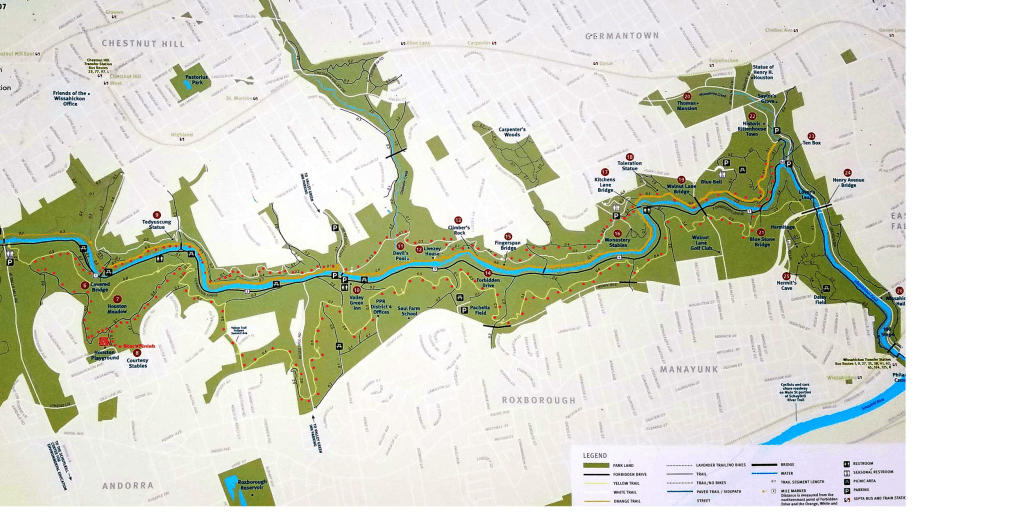
On April 12, 2025, I ran the Philly Trail Marathon at Wissahickon Valley Park in Philadelphia—and it might be one of my new favorite races. Nestled just outside the buzz of the city, this gem of a trail marathon delivered everything I love about running in the woods: flowy singletrack, gnarly rocks, steep climbs, creek crossings, and a vibe that felt like one big muddy celebration of trail community.

The Course

Wissahickon Valley Park is such a surprising oasis—lush, rugged, and wonderfully wild. The race started with rolling hills that warmed you up quickly, followed by winding trails through towering trees and rocky outcrops that demanded your attention (and the occasional power hike). It was the kind of course that keeps you honest: technical in spots, but totally runnable if your legs and mind were willing to stay engaged.

Spring showed up right on time. The trails were lined with fresh greenery, blooming wildflowers, and the sound of rushing water after a week of rain. There were a few slick patches and muddy spots, but that just made it more fun—exactly what a trail marathon should be.

The Fuel (aka: My Love Letter to PB&J)

Fueling for this race was simple but effective: peanut butter and jelly sandwiches. I packed a few cut-up squares in a ziplock and kept them handy in my vest. Every hour or so, I’d pop one like a trail-running Lunchable. Something about the combo of carbs, fat, and nostalgia made it the perfect trail snack. Plus, the aid stations were fully stocked and full of energy—volunteers handing out everything from orange slices to pickle juice with big smiles and even bigger cheers.

The Vibe

What really stood out was the community energy. From the friendly pre-race chatter to the trail-side encouragement between runners, it felt more like a group adventure than a competition. The volunteers were the heart of the event—cheering, laughing, and keeping things moving with amazing positivity (and snacks, of course).

Crossing the finish line was the perfect mix of exhaustion and joy. Post-race treats, muddy legs, high-fives, and that deep satisfaction of knowing you just did something hard—and loved it.

A Shoutout to Uberendurancesports

I can’t wrap up this recap without giving a huge shoutout to Uberendurancesports, the masterminds behind this incredible event. Their commitment to organizing affordable, fun races with a unique German twist is truly commendable. From the well-marked trails to the enthusiastic volunteers and the delightful post-race atmosphere, their events are a testament to their passion for the running community. If you’re looking for a race that combines challenge, camaraderie, and a touch of European flair, look no further than Uberendurancesports.
Final Thoughts

If you’re looking for a trail race that’s scenic, challenging, and full of heart, put the Philly Trail Marathon on your list. Wissahickon Valley Park delivered in every way. I’ll absolutely be back next year—with fresh legs, more PB&Js, and maybe a few friends in tow.


Are You Getting Enough Carbs? A Must-Read for Endurance Athletes

When it comes to endurance training, carbs are not the enemy—they’re your best friend with benefits. Whether you’re training for a marathon, triathlon, or your next ultradistance sufferfest, carbohydrates are the primary fuel source your muscles rely on to keep going strong. But are you actually getting enough?

Here’s how to tell—and how to fix it if you’re falling short.


Why Carbs Matter for Endurance Athletes

Carbohydrates are stored in your muscles and liver as glycogen, which your body taps into during prolonged exercise. When glycogen stores are depleted, fatigue sets in hard—hello bonk.

Getting enough carbs ensures:

  • Sustained energy during long efforts
  • Faster recovery
  • Improved performance and mental clarity
  • Better mood and motivation to train

How Many Carbs Do You Need?

General guidelines for endurance athletes:

  • Daily training (1-2 hrs/day): 5–7g of carbs per kg of body weight
  • Moderate to heavy training (2-3 hrs/day): 6–10g/kg
  • Ultra-distance training or multiple sessions per day: up to 12g/kg

Example: A 150-lb (68kg) athlete doing heavy training may need 400–680g of carbs per day.


Signs You’re Not Getting Enough

  • You’re constantly tired—even after rest days
  • You feel sluggish during workouts or bonk early
  • You crave sugar or carbs obsessively
  • You recover slowly or feel sore for days
  • Your performance is plateauing or declining

Best Carb Sources for Endurance Athletes

Focus on whole food carbs for long-term health and performance:

  • Before/after training: oats, rice, potatoes, sourdough, bananas, dates, smoothies
  • During training: dried fruit, energy chews, maple syrup, white rice balls, homemade fuel bars
  • Throughout the day: whole grains, legumes, root veggies, fruit

Yes, white bread and pasta have their place around race week—but balance is key.


Don’t Forget Carb Timing

  • Pre-run meal/snack (1–3 hrs before): 30–60g carbs
  • During workouts (>90 min): 30–90g/hour, depending on intensity
  • Post-run recovery (within 30–60 min): 1–1.2g/kg carbs + protein

Proper timing helps restock glycogen, reduce muscle breakdown, and speed up recovery.


Final Thoughts

Carbohydrates are not optional for endurance training—they’re essential. Underfueling with carbs can silently sabotage your training progress, lead to burnout, and compromise your health. So before you slash carbs in favor of another diet trend, ask yourself: Am I giving my body the fuel it needs to go the distance?

Your next PR might just be one sweet potato away.

Here’s a sample high-carb meal plan for an endurance athlete training 1–2 hours per day. This plan is plant-based, whole-food focused, and provides roughly 450–500g of carbs, enough for someone weighing around 68–75 kg (150–165 lbs) during moderate training volume.


🌞 Breakfast

Oats with Fruit & Nut Butter

  • 1 cup rolled oats (cooked with water or plant milk)
  • 1 banana, sliced
  • 1/2 cup blueberries or other berries
  • 1 tbsp almond butter
  • 1 tbsp maple syrup

+ 12 oz sports drink or fresh juice

→ ~100g carbs


🏃‍♀️ Mid-Morning Snack (Pre-Workout if applicable)

Rice Cakes with Dates & Peanut Butter

  • 2 rice cakes
  • 1 tbsp peanut butter
  • 3 Medjool dates

→ ~50g carbs


🥗 Lunch

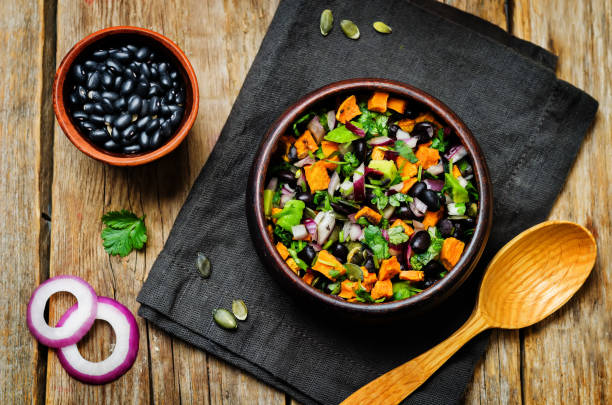
Sweet Potato Black Bean Bowl

  • 1 large roasted sweet potato
  • 1/2 cup cooked quinoa
  • 1/2 cup black beans
  • 1/2 avocado
  • Salsa + greens + lime juice

+ 1 corn tortilla or whole grain toast

→ ~90g carbs


💥 Post-Workout Fuel

Recovery Smoothie

  • 1 banana
  • 1 cup frozen mango
  • 1 scoop plant protein
  • 1 cup oat milk
  • 1 tbsp chia seeds
  • 1 tsp maple syrup
  • Optional: 1 scoop SuperPlants Daily Greens

→ ~60g carbs


🕓 Afternoon Snack

Trail Mix + Fresh Fruit

  • 1 small apple
  • 1/4 cup raisins
  • 2 tbsp mixed nuts

→ ~50g carbs


🌙 Dinner

Lentil Pasta with Marinara & Veggies

  • 2 cups cooked lentil or whole grain pasta
  • 1/2 cup marinara sauce
  • 1 cup roasted veggies (zucchini, peppers, broccoli)
  • 1 tbsp olive oil
  • Side salad with vinaigrette

+ 1 slice sourdough

→ ~100g carbs


🌌 Evening Snack (optional or high-volume training days)

Cereal + Plant Milk or Toast with Jam

  • 1 cup whole grain cereal or 2 slices toast
  • 1 tbsp jam or fruit preserves
  • 1 cup oat milk

→ ~40–50g carbs

Fueling Long Runs with Whole Foods: The Power of Nuts and Dried Fruit

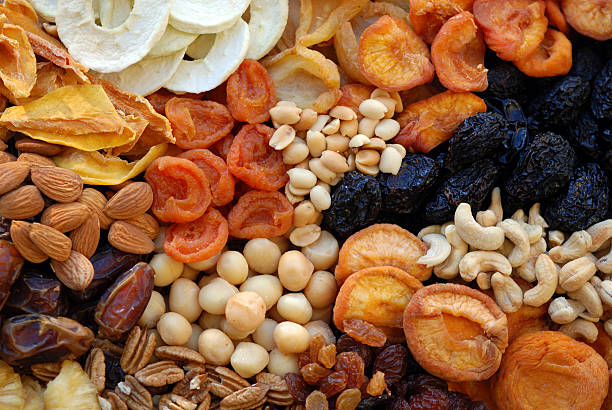
When it comes to long runs, fueling is everything. But you don’t have to rely on neon gels or processed chews to keep you going. Whole foods like nuts and dried fruits are compact, nutrient-dense, and surprisingly effective at delivering sustained energy on the move—plus, they don’t require a degree in chemistry to understand.

Why Whole Foods?

Whole foods provide a balance of carbs, fats, and protein in their most natural form. They’re easy on the stomach for many runners, and they offer added nutrients that synthetic fuels often leave behind—think fiber, antioxidants, and essential minerals.

Dried Fruits: Nature’s Energy Chews

Dried fruits are packed with simple carbohydrates that your body can quickly convert into fuel. A few top picks for runners:

  • Dates: High in glucose and potassium—great for quick energy and cramp prevention.
  • Raisins: Easy to chew, slightly sweet, and shown in studies to be as effective as commercial gels.
  • Dried mango, apricots, or figs: Naturally sweet and rich in fiber and iron.

Tip: Pair dried fruit with a little salt (or choose salted varieties) to help replenish electrolytes lost in sweat.

Nuts: Long-Lasting Energy

Nuts offer healthy fats and protein, which provide slower-burning fuel to keep you going strong over hours of effort.

  • Almonds: High in vitamin E and magnesium for muscle support.
  • Cashews: Creamy, slightly sweet, and rich in iron and zinc.
  • Walnuts: Packed with omega-3s for anti-inflammatory benefits.

Tip: Pre-portion a mix of nuts and fruit into small zip-top bags or reusable containers so you can grab, run, and go.

DIY Trail Mix Ideas

  • Sweet & Salty Classic: Almonds, cashews, dried cranberries, pretzel pieces
  • Tropical Fuel: Macadamia nuts, coconut flakes, dried mango, banana chips
  • Ultra Mix: Walnuts, raisins, dark chocolate chips, sunflower seeds

Timing Matters

  • Before your run: A small handful of dried fruit gives a carb boost without weighing you down.
  • During your run: Every 45–60 minutes, snack on 100–150 calories of your fruit-nut mix to keep energy levels steady.
  • After your run: Combine with water and a bit of protein to refuel and recover.

Final Thoughts

Whole food fueling isn’t just for hikers. Nuts and dried fruits are a time-tested, runner-approved way to stay energized without artificial ingredients. They’re portable, customizable, and easy to love.

Want to go even more natural? Try making your own energy bites with oats, dates, nut butter, and chia seeds for a compact snack with no junk—just real food, real fuel.

🥜 Homemade Energy Bites: Fuel-On-the-Go Balls

Ingredients:

  • 1 cup rolled oats
  • ½ cup nut butter (almond, peanut, or cashew)
  • ½ cup chopped dates (or raisins)
  • 2 tbsp chia seeds (or flaxseed meal)
  • 2 tbsp maple syrup or honey (optional for extra stickiness/sweetness)
  • 1 tsp vanilla extract
  • Pinch of salt

Instructions:

  1. Combine all ingredients in a bowl and mix well.
  2. Chill the mixture in the fridge for 15–20 minutes.
  3. Roll into 1-inch balls and store in the fridge for up to a week or freeze for longer storage.
  4. Take 2–3 bites with you on long runs for about 100–150 calories each.

💡 Add-ins: cocoa powder, shredded coconut, chopped dark chocolate, or cinnamon for flavor variations.


🏃‍♀️ Printable Trail Mix Combos for Long Runs

Mix NameIngredients
Sweet & SaltyAlmonds, raisins, pretzel bits, dark chocolate chips
Tropical FuelCashews, dried mango, coconut flakes, banana chips
Choco-Cherry BoostWalnuts, dried cherries, dark chocolate chunks, sunflower seeds
Ultra MixPeanuts, dates (chopped), salted pumpkin seeds, dried apricots
Maple CrunchPecans, dried apples, granola clusters, maple-glazed almonds

🧃 Pro Tip: Pair any mix with electrolyte water or a squeeze of lemon + salt in your bottle to stay balanced.

Easy Plant-Based Meals to Fuel Your Endurance Runs

Whether you’re training for your next 50K or heading out for a back-to-back long weekend, what you eat matters. Endurance running demands sustained energy, quick recovery, and gut-friendly fuel. For plant-based athletes, the good news is: you don’t need fancy powders or obscure superfoods. You can fuel strong with simple, everyday meals made from whole, plant-based ingredients.

Here are a few easy plant-based meals that hit the sweet spot between flavor, convenience, and performance:


1. Overnight Oats with Banana & Chia

Perfect for: Pre-run breakfast or recovery snack

Ingredients:

  • ½ cup rolled oats
  • 1 tbsp chia seeds
  • 1 cup unsweetened almond milk
  • 1 ripe banana, mashed
  • 1 tsp maple syrup
  • Dash of cinnamon
  • Optional: nut butter or berries
  • Optional: 1 scoop of SuperPlants Beauty Berries

Why it works: Oats offer slow-digesting carbs, chia seeds help with hydration and Omega-3s, and bananas provide quick energy and potassium. It’s gentle on the stomach and easy to prep the night before an early run.


2. Sourdough Toast with Avocado, Hummus & Hemp Seeds

Perfect for: Post-run refuel or hearty snack

Ingredients:

  • 2 slices of sourdough
  • ¼ avocado, mashed
  • 2 tbsp hummus
  • Sprinkle of hemp seeds
  • Dash of sea salt and smoked paprika

Why it works: This savory combo is packed with healthy fats, plant-based protein, and complex carbs. Hemp seeds offer essential amino acids — a bonus for recovery.


3. Sweet Potato & Black Bean Bowls

Perfect for: Lunch or dinner after a long run

Ingredients:

  • 1 large sweet potato, roasted
  • ½ cup black beans
  • ½ avocado, sliced
  • ¼ cup quinoa or brown rice
  • Fresh lime, cilantro, and a sprinkle of nutritional yeast

Why it works: Sweet potatoes are a runner’s best friend — full of vitamin C, potassium, and easily digestible carbs. Black beans add protein and fiber, and quinoa helps repair muscles.


4. Chickpea Pasta with Spinach & Tomato Sauce

Perfect for: Pre-race carb loading

Ingredients:

  • 1 cup chickpea or lentil pasta
  • 1 cup fresh spinach
  • ½ cup tomato basil sauce
  • 1 tbsp olive oil
  • Red chili flakes and garlic powder to taste

Why it works: Chickpea pasta is a great way to get both carbs and protein in one bowl. Add leafy greens for iron and antioxidants to support endurance and reduce inflammation.


5. Energy-Packed Smoothie

Perfect for: Midday snack or breakfast-on-the-go

Ingredients:

  • 1 frozen banana
  • 1 tbsp almond butter
  • 1 tbsp flax or chia seeds
  • 1 cup oat milk
  • Handful of spinach
  • ½ cup frozen berries
  • Optional: 1 scoop plant-based protein (my personal favorite, Naked Pea Protein)
  • Optional: 1 scoop of SuperPlants Daily Greens

Why it works: This smoothie is balanced and energizing without being heavy. It’s quick to digest, making it perfect before shorter runs or as part of your recovery.


Tips for Plant-Based Endurance Nutrition

  • Think ahead: Meal prep for the week makes plant-based eating easy, even on peak training weeks.
  • Don’t fear carbs: Whole grains, fruit, and root veggies are key to long-lasting energy.
  • Get enough protein: Lentils, beans, tofu, tempeh, and seeds can easily cover your protein needs.
  • Hydrate and salt smartly: Add electrolytes to water and include sodium-rich foods like miso or pickles on long run days.

Final Thought: You don’t need to be a gourmet chef to fuel like a pro. With a few go-to meals and some basic planning, plant-based endurance nutrition can be simple, powerful, and delicious.

Want more recipes or a downloadable meal plan for training weeks? Drop a comment or sign up for the newsletter — we’re just getting started.

Starting the New Year with a Bowl of Good Fortune: Vegetable Barley Soup

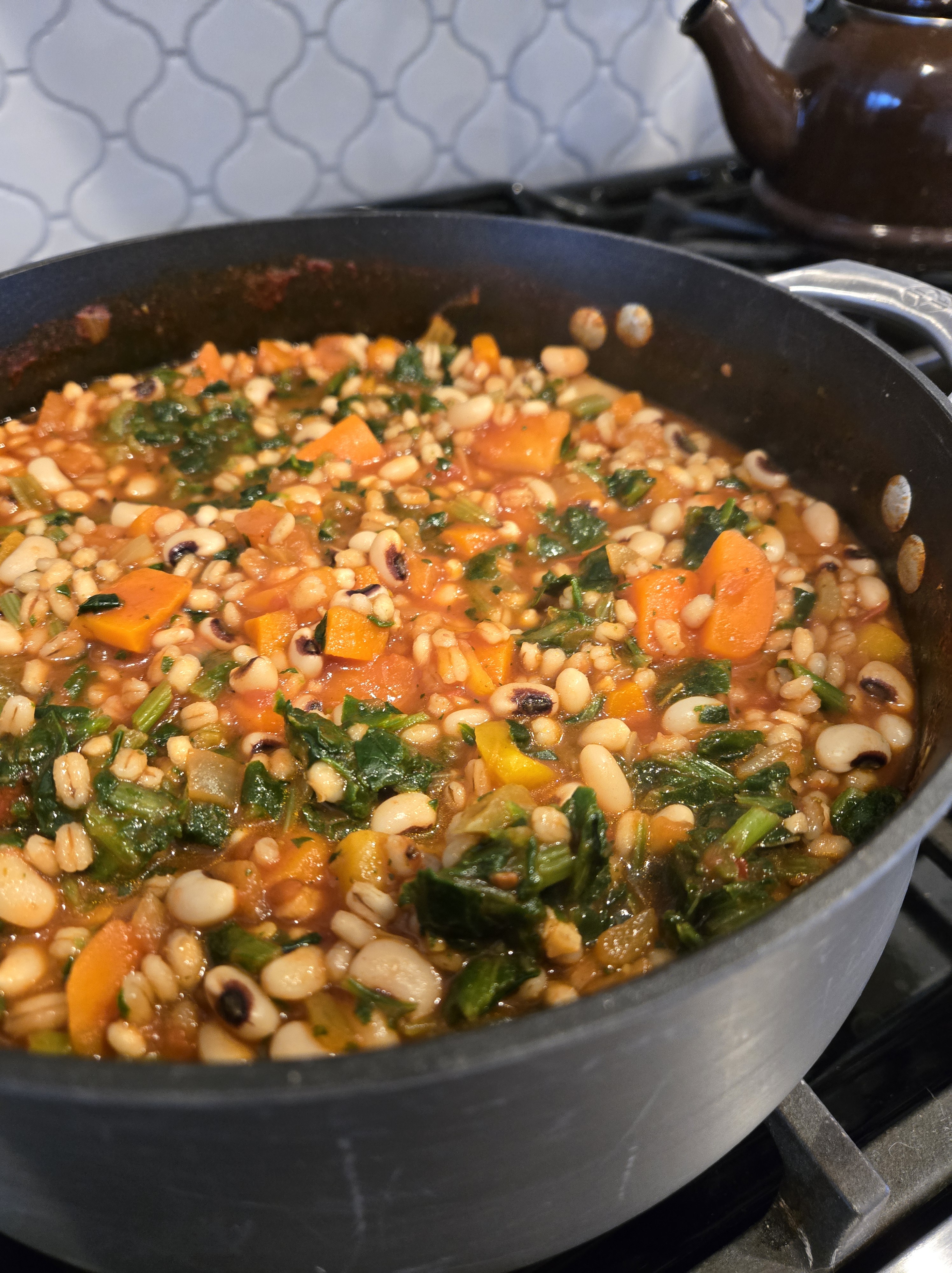
Happy New Year! As we embrace the start of another year, it’s a time for new beginnings and setting intentions for the months ahead. What better way to kick off this fresh start than by stirring up a bowl of good fortune? Today, I’m excited to share a cozy, nutritious recipe that’s perfect for anyone looking to invite luck and prosperity into their new year: Vegetable Barley Soup with.

The Tradition of Lucky Foods

In many cultures, certain foods are eaten on New Year’s Day to bring luck and prosperity. Black-eyed peas, for instance, are considered a lucky food in the Southern United States, symbolizing pennies or coins. They are often eaten in a dish called Hoppin’ John for prosperity in the new year. Similarly, spinach and other greens are believed to bring wealth as their green leaves resemble money while barley is symbolizes fertility and wealth.

Vegetable Barley Soup Recipe

This Vegetable Barley Soup combines these elements of good fortune with hearty, nourishing ingredients to warm your winter day. Here’s how to make it:

Ingredients:

  • 1 tablespoon olive oil
  • 1 large onion, chopped
  • 2 garlic cloves, minced
  • 3 carrots, peeled and diced
  • 2 celery stalks, diced
  • 1 cup pearl barley
  • 1 bay leaf
  • 6 cups vegetable broth
  • 1 can (15 oz) black-eyed peas, drained and rinsed
  • 2 cups spinach, roughly chopped
  • Salt and pepper to taste
  • Optional: lemon juice or red pepper flakes for an extra kick

Instructions:

  1. Prepare the Vegetables:
    • Heat the olive oil in a large pot over medium heat.
    • Add the chopped onion and garlic, sauté until the onion becomes translucent.
  2. Add Carrots and Celery:
    • Mix in the carrots and celery, cooking until they start to soften, about 5 minutes.
  3. Cook the Barley:
    • Stir in the barley and bay leaf, then add the vegetable broth.
    • Bring the mixture to a boil, then reduce heat to a simmer.
    • Cover and let it cook for about 30 minutes, or until the barley is tender.
  4. Add Black-Eyed Peas and Spinach:
    • Add the black-eyed peas and spinach to the pot.
    • Continue to simmer until the spinach wilts and the peas are heated through, about 5 minutes.
    • Season with salt and pepper to taste.
  5. Final Touches:
    • Remove the bay leaf before serving.
    • Optionally, add a squeeze of lemon juice or a sprinkle of red pepper flakes for a zesty flavor.
  6. Serve and Enjoy:
    • Ladle the soup into bowls and enjoy a warm, comforting meal that brings a promise of good luck and fortune for the year ahead.

Embracing the New Year with Healthy Choices

This Vegetable Barley Soup is not just a tradition-rich dish; it’s also packed with nutrients that support healthy living. Barley is a great source of fiber, vitamins, and minerals, while spinach provides iron and vitamins A, C, and K. Black-eyed peas add a boost of protein and fiber, making this soup a well-rounded meal to start your year.

So here’s to a year of good health, happiness, and prosperity. Enjoy your bowl of good fortune, and may it bring you all the wonderful things you wish for in the coming year!

The History of Cairns: Marking Paths, Memories, and Sacred Spaces

Cairns, those stacked formations of stones found atop hills, along trails, or marking ancient paths, are small yet profound testaments to human history and culture. These simple rock piles have appeared across continents and eras, serving practical, symbolic, and spiritual purposes. In this post, I’ll delve into the fascinating history of cairns, exploring their origins, cultural significance, and evolution over time.

Origins and Early Uses

The word “cairn” originates from the Scottish Gaelic càrn, which translates to “heap of stones.” This term fittingly reflects the rugged landscapes of Scotland, where cairns have a long-standing history. Yet, cairns are not unique to Scotland; they can be found in cultures worldwide. Early hunter-gatherer societies often constructed cairns for navigational purposes, marking trails, borders, or significant locations across vast, unmarked landscapes.

Cairns are among humanity’s earliest landmarks. They appear in ancient landscapes across Europe, North America, Africa, and Asia. In Norway, for instance, cairns were used as wayfinding markers across its rocky, often featureless terrain. For Indigenous peoples in North America, these stone markers—known as inuksuit in Inuit culture—were used to signal hunting grounds, fishing spots, and sacred spaces.

Cairns in Spiritual and Cultural Traditions

Beyond navigation, cairns have held deep spiritual and cultural meanings. In many ancient cultures, cairns were built as offerings to deities or spirits. In Celtic traditions, cairns were often placed atop hills as sacred markers, signifying sites of importance or tribute to gods and ancestors. Similar practices were observed in other parts of Europe, where cairns marked burial mounds, symbolizing both respect and protection for the deceased.

In Japan, cairns—known as ojizō-sama—are constructed to honor the deity Jizo, the guardian of travelers and children. People place small stones to commemorate loved ones or as a sign of gratitude and protection, creating layers of meaning and community memory around these structures.

Navigational Significance: Trail Cairns and Beyond

Throughout history, cairns have continued to serve as valuable tools for navigation, especially in remote or harsh environments where natural landmarks are scarce. Known as “trail cairns,” these formations are often placed at intervals along paths, guiding hikers, pilgrims, and travelers through difficult terrain. In countries like Iceland and Nepal, where landscapes can be rugged and disorienting, cairns have been lifesaving markers.

Pilgrimage routes have also seen the use of cairns as spiritual and directional markers. For instance, on the Camino de Santiago in Spain, pilgrims often add stones to existing cairns along the route as a symbol of leaving burdens behind or as a gesture of gratitude for safe passage. This act of adding to a cairn creates a shared experience that connects people across time and culture.

Modern-Day Cairns: From Art to Environmental Concerns

Today, cairns appear in national parks, hiking trails, and even urban landscapes. Modern cairns often function as both art installations and environmental markers. In some places, artists create temporary cairns to celebrate the beauty of nature or as symbols of harmony and balance. Others use cairns to promote mindfulness, encouraging people to slow down and appreciate their surroundings.

However, with their rise in popularity, some environmental concerns have emerged. Many people build cairns for aesthetic purposes without considering their impact on ecosystems. Disrupting natural stone placements can lead to erosion, harm local habitats, and confuse hikers if unauthorized cairns are placed along established trails. Park rangers now educate visitors on the responsible and respectful handling of cairns, reminding them of their original purpose as wayfinding tools and symbols rather than decorations.

Cairns as Symbols of Connection and Legacy

Ultimately, cairns remain powerful symbols of humanity’s connection to the land, to each other, and to past generations. Each stone added to a cairn reflects the intention, care, and sometimes prayers of those who came before us. In many ways, building or adding to a cairn connects us to an ancient practice, one that resonates across cultures and centuries.

In our fast-paced modern world, cairns encourage us to pause, reflect, and honor our journey. Whether as wayfinders, tributes, or sacred markers, cairns remind us that even simple acts can hold deep significance—rooting us to both history and the landscapes we traverse.

From the mountains of Scotland to the deserts of North America, cairns stand as quiet witnesses to the journeys we have taken and those still to come.

Ultra Running Essentials: Gear, Nutrition, and Training Tips for Success

Ultra running, defined as any race longer than the traditional marathon distance of 26.2 miles, is a challenging and rewarding sport that pushes the limits of physical and mental endurance. Whether you’re a seasoned marathoner looking to take the next step or a newcomer intrigued by the allure of ultra distances, preparing for an ultra marathon requires careful planning, proper gear, and a well-thought-out training strategy. Here are the essentials to help you succeed in your ultra running journey.

Gear Essentials

  1. Footwear: Your shoes are the most critical piece of gear. Invest in a high-quality pair of trail running shoes that offer good grip, cushioning, and durability. Make sure they fit well and have room for swelling, which is common during long runs.
  2. Clothing: Choose moisture-wicking and breathable fabrics to keep you comfortable. Layering is key for varying weather conditions. A good waterproof jacket can be a lifesaver in wet or windy conditions.
  3. Hydration System: Staying hydrated is crucial. Options include hydration vests, handheld bottles, and waist packs. Choose a system that allows you to carry enough water and is comfortable over long distances.
  4. Nutrition: Energy gels, bars, and chews are convenient for maintaining energy levels. Some runners prefer whole foods like bananas, nuts, or sandwiches. Experiment during training to find what works best for you.
  5. Headlamp: For night runs or early starts, a reliable headlamp with extra batteries is essential. Ensure it is comfortable and provides adequate illumination.
  6. Navigation Tools: A GPS watch can help track your distance, pace, and location. In remote areas, a map and compass or a GPS device are vital for navigation.
  7. First Aid Kit: Basic supplies like band-aids, blister treatment, pain relievers, and anti-chafing cream can address minor issues before they become major problems.
  8. Poles: For hilly or mountainous ultras, trekking poles can help reduce strain on your legs and provide stability on technical terrain.

Nutrition and Hydration

Proper nutrition and hydration are critical to ultra running success. Your body needs a steady supply of energy and fluids to perform over long distances.

  1. Caloric Intake: I aim for 200-300 calories per hour from a mix of carbohydrates, proteins, and fats. This can include gels, sports drinks, bars, and whole foods (check with a nutritionist to understand the proper calories your body needs).
  2. Electrolytes: Replace lost electrolytes through sports drinks, electrolyte tablets, or salty snacks. Electrolyte imbalance can lead to cramping and fatigue.
  3. Hydration: Drink regularly, but avoid overhydration. A good rule of thumb is to drink to thirst and adjust based on weather conditions and sweat rate.

Training Tips

Training for an ultra marathon involves more than just increasing your mileage. Focus on building endurance, strength, and mental toughness.

  1. Gradual Mileage Increase: Slowly build your weekly mileage, increasing no more than 10% per week. Include one long run each week to simulate race conditions.
  2. Back-to-Back Long Runs: Running long distances on consecutive days helps build endurance and trains your body to recover quickly.
  3. Strength Training: Incorporate strength training exercises to improve muscle endurance and prevent injuries. Focus on core, legs, and upper body strength.
  4. Terrain Training: Train on similar terrain to your race. If your ultra includes hills, practice hill running. For technical trails, spend time on uneven surfaces.
  5. Mental Preparation: Ultra running is as much a mental challenge as it is a physical one. Practice mental strategies such as visualization, positive self-talk, and breaking the race into manageable segments.
  6. Recovery: Prioritize recovery with rest days, proper nutrition, stretching, and foam rolling. Listen to your body and adjust your training as needed to avoid overtraining.

Race Day Strategy

  1. Pacing: Start slow and conserve energy. It’s easy to get caught up in the excitement and go out too fast. Aim for a steady, sustainable pace.
  2. Nutrition and Hydration Plan: Stick to the plan you’ve practiced during training. Don’t try new foods or drinks on race day.
  3. Monitor Your Body: Pay attention to signs of fatigue, dehydration, or injury. Address issues early to prevent them from worsening.
  4. Stay Positive: Keep a positive mindset and stay focused on your goals. Ultra marathons are challenging, but a strong mental attitude can carry you through tough moments.

Conclusion

Ultra running is a demanding but incredibly rewarding sport. By preparing with the right gear, nutrition, training, and mental strategies, you can set yourself up for success. Embrace the journey, listen to your body, and enjoy the incredible experience of pushing your limits. Happy trails!

What I Eat the Week Leading Up to a Race: Fueling for Peak Performance

As race day approaches, I like to focus on a balanced diet that ensures my body is fueled, energized, and ready to perform. Nutrition plays a vital role in optimizing endurance and strength, so my meals are designed to provide the right combination of carbohydrates, proteins, fats, and micronutrients. Plus, hydration is essential to keep muscles functioning and avoid fatigue. Here’s what a typical week looks like for me leading up to the big race.

Day 1-3: Building a Solid Foundation

At the start of the week, my priority is maintaining a well-balanced diet. I make sure to include complex carbohydrates for sustained energy, lean protein for muscle repair, and plenty of vegetables to get vital vitamins and minerals.

  • Breakfast: Overnight oats with fresh berries, chia seeds, and a drizzle of honey
  • Lunch: Quinoa with roasted vegetables, chickpeas, and a lemon-tahini dressing
  • Dinner: Crispy sesame tofu with sweet potatoes and steamed broccoli

During this time, I also make sure to snack on healthy options like mixed nuts, fruit, and hummus with whole-grain crackers. These choices keep my energy levels stable throughout the day and provide a good mix of nutrients.

Day 4-5: Upping the Carbs

Midweek, I begin to gradually increase my carbohydrate intake to store glycogen in my muscles. This doesn’t mean overeating but focusing more on carbs as my training intensity lightens up.

  • Breakfast: Whole-grain toast with avocado and a poached egg
  • Lunch: Baked sweet potato with stir-fried tofu and veggies
  • Dinner: Pasta with peas and cannellini beans in garlic and avocado oil

Staying hydrated is also crucial. I aim for at least 3 liters of water per day, adding an electrolyte drink during my lighter runs or recovery workouts.

Day 6: Carbo-Loading and Final Preparation

As I get closer to the race, my meals are heavily focused on carbohydrates to ensure I’ve got plenty of stored energy for race day. This is when I make sure to eat meals like one of my favorite pre-race dishes: smashed beans on sourdough toast.

Beans on Sourdough Toast Recipe

This dish is a perfect combination of carbs, protein, and fiber, making it a simple but satisfying meal before a race.

Ingredients:

  • 1 can of cannellini or navy beans (drained and rinsed)
  • 2 slices of sourdough bread
  • 1 garlic clove (minced)
  • 1 tablespoon avocado oil
  • 1 teaspoon smoked paprika
  • 1 teaspoon crushed red pepper (optional)
  • Salt and pepper to taste
  • 1 tablespoon fresh parsley (optional)
  • A splash of lemon juice

Instructions:

  1. Combine the beans, avocado oil, smoked paprika, crushed red pepper, salt, and pepper. Stir well and smash to your liking, allowing the flavors to meld (I like the texture of partially smashed beans, leaving some whole, but you could also blend to a hummus consistency).
  2. Toast the sourdough bread until golden.
  3. Spoon the beans over the toasted sourdough. Garnish with fresh parsley and a squeeze of lemon juice.
  4. Serve immediately, and enjoy!

Beans on toast is light enough not to weigh me down but hearty enough to provide a steady release of energy over several hours. The sourdough provides easily digestible carbohydrates, while the beans give me a boost of protein and fiber.

Day 7 (Race Day Eve): Keeping It Simple

The night before the race, I keep my meals simple and easy to digest. I avoid anything new or too rich that could upset my stomach. My goal is to feel light but fueled.

  • Dinner: A baked sweet potato with black beans
  • Evening snack: A banana or a handful of dried fruit

Hydration continues to be a top priority. I drink plenty of water throughout the day, sipping slowly to avoid bloating. I’ll also include a sports drink to ensure my electrolyte levels are balanced.

Hydration: The Key to Performance

Throughout this week, staying hydrated is as important as my food choices. Water keeps me energized, helps regulate my body temperature, and ensures that my muscles are functioning properly. In the days leading up to the race, I make sure to drink water consistently and use electrolyte supplements if I’ve been sweating heavily. On race day itself, I stick to small sips of water in the hours before the event to avoid feeling too full.

In summary, fueling for a race isn’t just about what you eat on race day—it’s about preparing your body in the week leading up to it. By focusing on a balanced diet, increasing carbohydrates, and maintaining proper hydration, I make sure I’m in peak condition to cross the finish line feeling strong and accomplished.

How to Be an Outstanding Crew Member for an Ultra Race

Crewing for an ultra runner is no small feat. As the support team for an athlete tackling extreme distances, the role of a crew member is crucial to the runner’s success and safety. Whether the race spans fifty miles or over a hundred, through mountains, deserts, or forests, here’s a comprehensive guide to prepare you for the task.

Understand the Race and Your Runner

Know the Course: Familiarize yourself with the race course, aid stations, and the rules specific to the race. Understanding the terrain and potential weather conditions will help you anticipate the needs of your runner.

Understand Your Runner’s Plan: Before the race, sit down with your runner to discuss their race strategy, pacing, nutrition, and hydration plans. Know what they like to eat and drink, and at what intervals. Some runners prefer solids like sandwiches or fruits, while others might rely on liquids or gels. Also, learn about any medications they might need and how to administer them.

Packing and Preparation

Gear and Supplies: Pack essential items such as changes of clothes, shoes, socks, special foods, hydration packs, headlamps, batteries, and medical supplies. Organize these items so they are easily accessible. It helps to have a checklist prepared in advance to ensure nothing is forgotten.

Prepare for Yourself: Crewing can be a long and exhausting process, often in challenging conditions. Pack sufficient food, water, clothing, and shelter for yourself. Consider bringing a chair, books, or other forms of entertainment to help pass the time while you wait for your runner at checkpoints.

Communication and Flexibility

Establish Checkpoints: Determine where you will meet your runner along the course. Not all areas may be accessible, so plan accordingly and always have a backup meeting spot.

Stay Flexible: Ultra races are unpredictable. Weather, injuries, or unexpected physical issues can change the best-laid plans. Be ready to adapt quickly. Your runner might need more or less from you than anticipated.

Keep Spirits High: Your attitude can greatly affect your runner. Stay positive and encouraging, regardless of the situation. Sometimes, a few words of encouragement can make a significant difference.

During the Race

Effective Checkpoints: When your runner arrives, be efficient. Replenish their supplies, help them change if needed, and address any medical issues. This is also the time to listen to how they feel and make any necessary adjustments to your plans.

Monitor Health: Keep an eye on your runner’s physical and mental state. Look for signs of dehydration, salt imbalance, fatigue, or hypothermia. Knowing the symptoms of common issues like blisters or chafing can also help you provide quick solutions.

Respect the Runner’s Space: There will be moments when your runner might feel exhausted or frustrated. Offer support but give them space if they need it. They are under tremendous physical and mental stress, and understanding their needs is crucial.

Post-Race

Recovery: After the race, your runner will likely be exhausted and possibly dealing with injuries or soreness. Help them through the recovery process by ensuring they get food and hydration and assisting them in getting to a place where they can rest.

Celebrate and Reflect: Take time to celebrate the accomplishment with your runner, regardless of the outcome. Discuss what went well and what could be improved for next time.

Being a crew member is about more than just handing over food and gear. It’s about being a reliable, encouraging presence in a grueling challenge. With proper preparation and a positive attitude, you can make a significant difference in the experience and performance of your ultra runner.

Taking the First Step: Why Now is the Perfect Time to Start Running

Starting a new activity, especially one as physically demanding as running, can feel daunting. It’s easy to think of a million reasons not to lace up those sneakers: “I’m not a runner,” “I’m too busy,” or “I might get injured.” But what if you simply took that first step? Running is not just for athletes or the particularly fit; it’s accessible to everyone. Here’s why now is the perfect time to start running, and how to take that initial, transformative step.

1. Health Benefits Galore

Running is one of the most efficient ways to boost cardiovascular fitness, strengthen muscles, and improve mental health. It’s a potent stress reliever, mood enhancer, and has been shown to improve sleep. Regular running has also been known toRunning for Beginners reduce the risk of chronic illnesses such as heart disease, type 2 diabetes, and high blood pressure.

2. Minimal Gear Required

One of the beauties of running is its simplicity. You don’t need expensive equipment or a gym membership. A good pair of running shoes and comfortable clothing are all you need to get started. This minimalism makes running a uniquely accessible and flexible form of exercise.

3. Anytime, Anywhere

Whether you’re in a bustling city or a quiet suburb, chances are you can step out your door and start running. You can run at any time that fits your schedule. Morning, noon, or night, running offers the ultimate in flexibility. It can be a serene solo adventure or an engaging social activity with a running group.

4. Build at Your Own Pace

Starting slow is perfectly okay. Even a mix of walking and running can be highly effective. The key is to listen to your body and gradually increase your distance and pace as your fitness improves. There’s no rush and no one to compete against except yourself.

5. Digital Support

With a plethora of apps and online communities, new runners have more support than ever. From Couch to 5K programs to virtual races, technology offers motivation, tracking, and a sense of community. Apps can help you set goals, monitor progress, and even provide coaching tips.

6. The Runner’s High

Perhaps you’ve heard of the ‘runner’s high,’ that surge of endorphins post-run that leaves you feeling euphoric. It’s real, and it’s a feeling that many runners say fuels their passion for the sport. The emotional and psychological benefits of running are as compelling as the physical ones.

7. A Journey of Self-Discovery

Running is more than physical exercise; it’s a pathway to discovering more about yourself. It tests your limits, teaches you about your body’s cues, and even about your mental toughness. Each run can bring a new sense of accomplishment.

Starting Tips for New Runners

  • Start Small: Begin with short distances. Try running for just 10-15 minutes at a time.
  • Be Consistent: Aim to run regularly, even if it’s just a few times a week.
  • Warm-Up and Cool Down: Incorporate a warm-up and a cool-down into your routine to reduce injury risk.
  • Find Your Fit: Experiment with different routes and times of the day until you find what works best for you.

Running is an adventure, and every runner’s journey is unique. It offers a special blend of challenge and reward, solitude and camaraderie. If you’ve ever considered running, let this be your sign to start. Lace up, take a deep breath, and take that first step. The road is open, and it’s all yours.