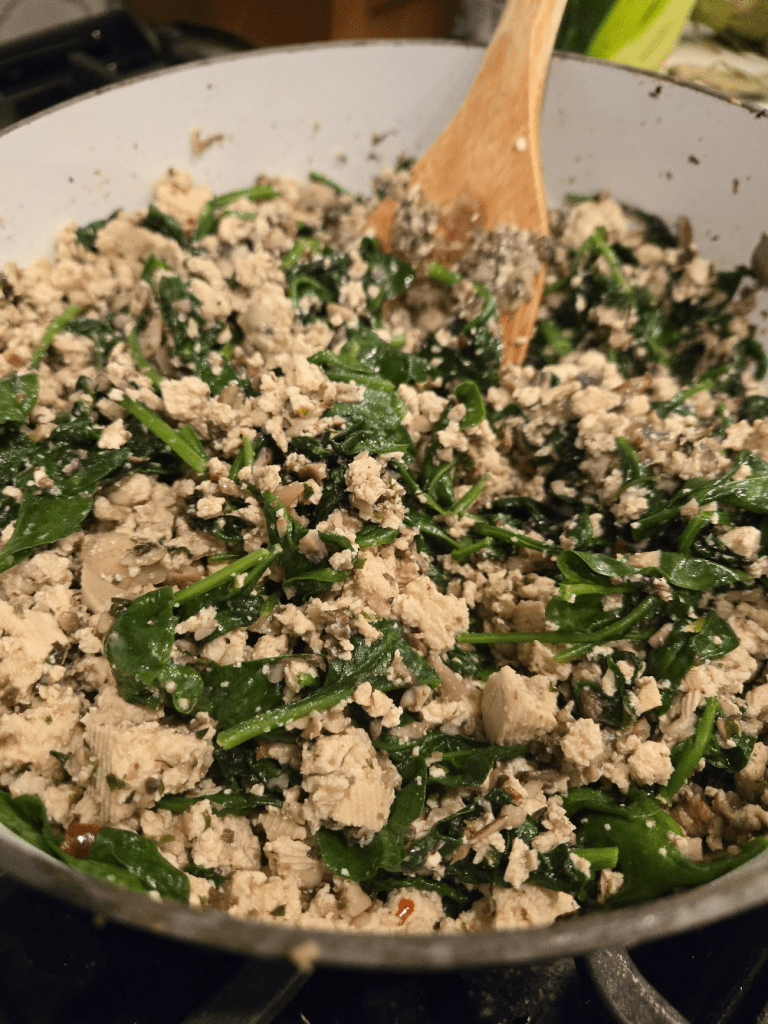
🌱 Tofu Scramble: The Ultimate Plant-Based Protein Breakfast

One of the best parts about eating plant-based is reimagining comfort classics in healthier, protein-packed ways. Take scrambled eggs, for example: hearty, savory, and easy to whip up. Enter tofu scramble—a plant-powered twist that’s just as satisfying, but loaded with extra nutrients and cruelty-free goodness.

And the bonus? A single serving of tofu scramble can pack over 30 grams of protein—making it one of the strongest starts to your day. Whether you’re an endurance runner, weightlifter, or just need long-lasting energy for a busy day, this recipe hits the mark.


💪 Why Tofu Scramble Works

  • Protein powerhouse: Firm tofu alone brings about 35g of protein per block. Add nutritional yeast and veggies, and you’ve got a nutrient-dense breakfast that keeps you fueled.
  • Customizable: Think of tofu scramble as a blank canvas—you can add whatever veggies and spices you love.
  • Meal-prep friendly: Make a batch on Sunday and enjoy quick breakfasts all week.

🍳 Tofu Scramble Recipe

Servings: 2 hearty portions
Protein: ~43g total (about 21g per serving)

Ingredients:

  • 1 block firm or extra-firm tofu (pressed, ~35g protein)
  • 1 cup spinach (or kale)
  • 1 red bell pepper, diced
  • 1 cup mushrooms, sliced
  • 2 tbsp nutritional yeast (~8g protein)
  • 1 tsp turmeric (for color & anti-inflammatory boost)
  • ½ tsp garlic powder
  • ½ tsp onion powder
  • ½ tsp paprika
  • Salt & black pepper to taste
  • 1 tbsp olive oil (or spray for lighter version)

Optional toppings: avocado slices, salsa, or hot sauce


Instructions:

  1. Prep the tofu: Drain and press your tofu to remove excess water. Crumble it into a bowl with your hands or a fork until it resembles scrambled eggs.
  2. Cook the veggies: Heat olive oil in a pan over medium heat. Add mushrooms, peppers, and spinach. Cook until softened (about 5 minutes).
  3. Add the tofu: Toss the crumbled tofu into the pan. Sprinkle with turmeric, garlic powder, onion powder, paprika, salt, and pepper. Stir well.
  4. Boost with nooch: Sprinkle nutritional yeast over the scramble, stirring until everything is coated and vibrant yellow.
  5. Serve hot: Plate with avocado, wrap it into a tortilla, or enjoy alongside toast.

🌟 Pro Tips

  • For extra flavor: Add a splash of soy sauce or tamari.
  • For extra protein: Serve with a slice of sprouted grain bread or a side of black beans.
  • For meal prep: Store in an airtight container in the fridge for up to 4 days.

✨ Final Thoughts

Who says plant-based breakfasts can’t be protein-packed? This tofu scramble proves otherwise. It’s quick, customizable, and strong enough to power you through long runs, heavy workouts, or just the morning rush.

Next time someone asks where you get your protein—serve them this dish. One bite, and the myth is scrambled. 🌱💪
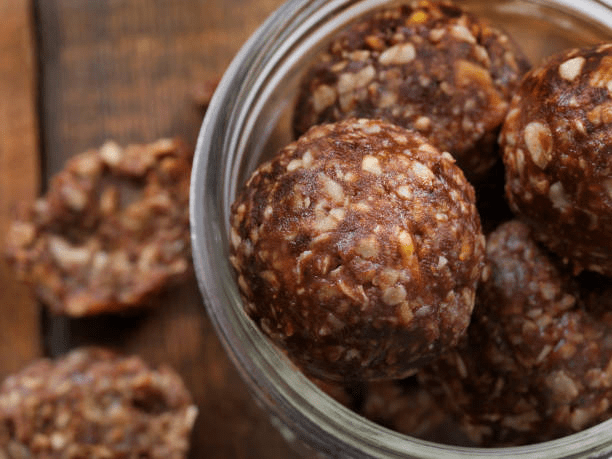
Satisfy Your Sweet Cravings with Cocoa Protein Balls

When that sweet tooth kicks in, it can be tempting to reach for something loaded with sugar and empty calories. But what if I told you there’s a delicious, nutrient-packed alternative that not only satisfies your cravings but also fuels your endurance goals? Enter: Cocoa Protein Balls.

These bite-sized balls are simple to make, packed with wholesome ingredients, and perfect for pre-run fuel, mid-run snacking, or post-run recovery. Let’s dive into the ingredients and why they’re perfect for athletes pushing their limits.

The Power of Ingredients

Raw Cashews – These creamy nuts provide healthy fats and plant-based protein, offering sustained energy and muscle support. They’re also rich in magnesium, which helps with muscle relaxation and recovery.

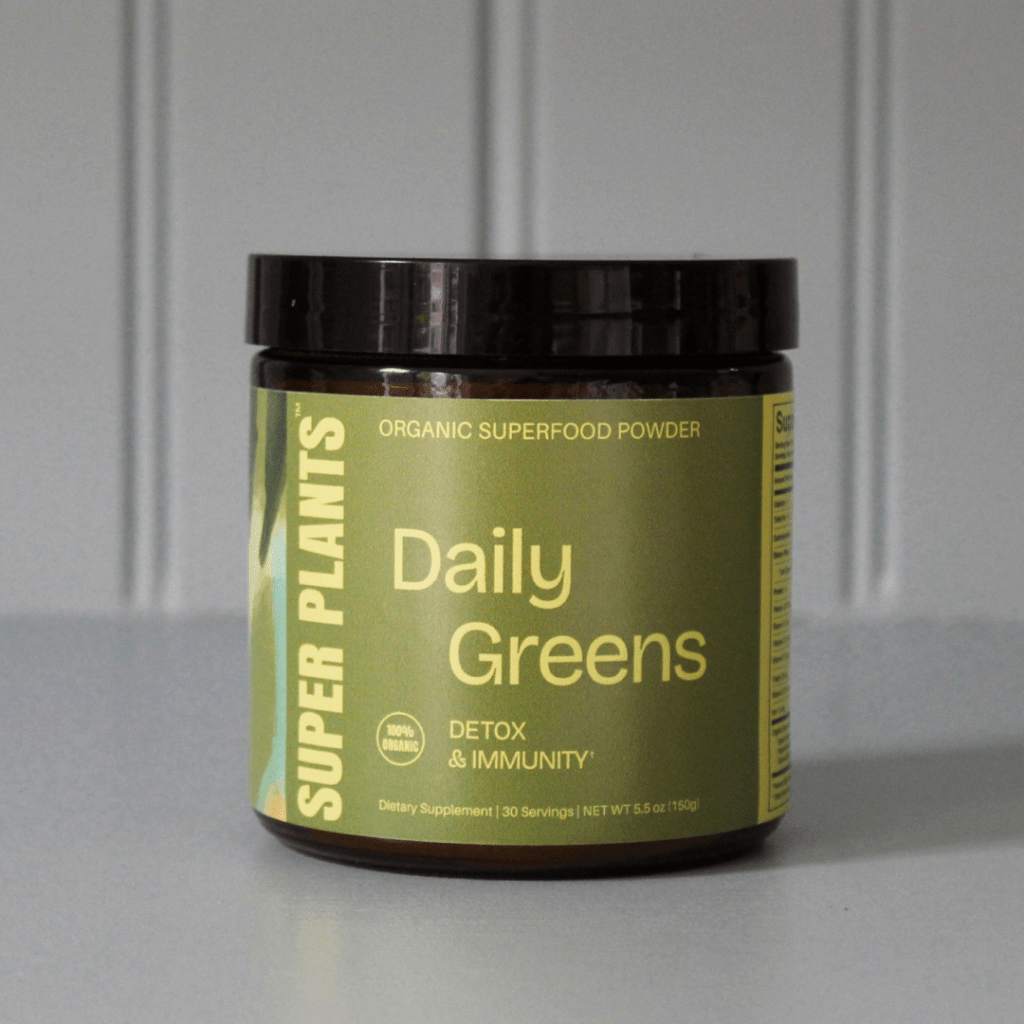
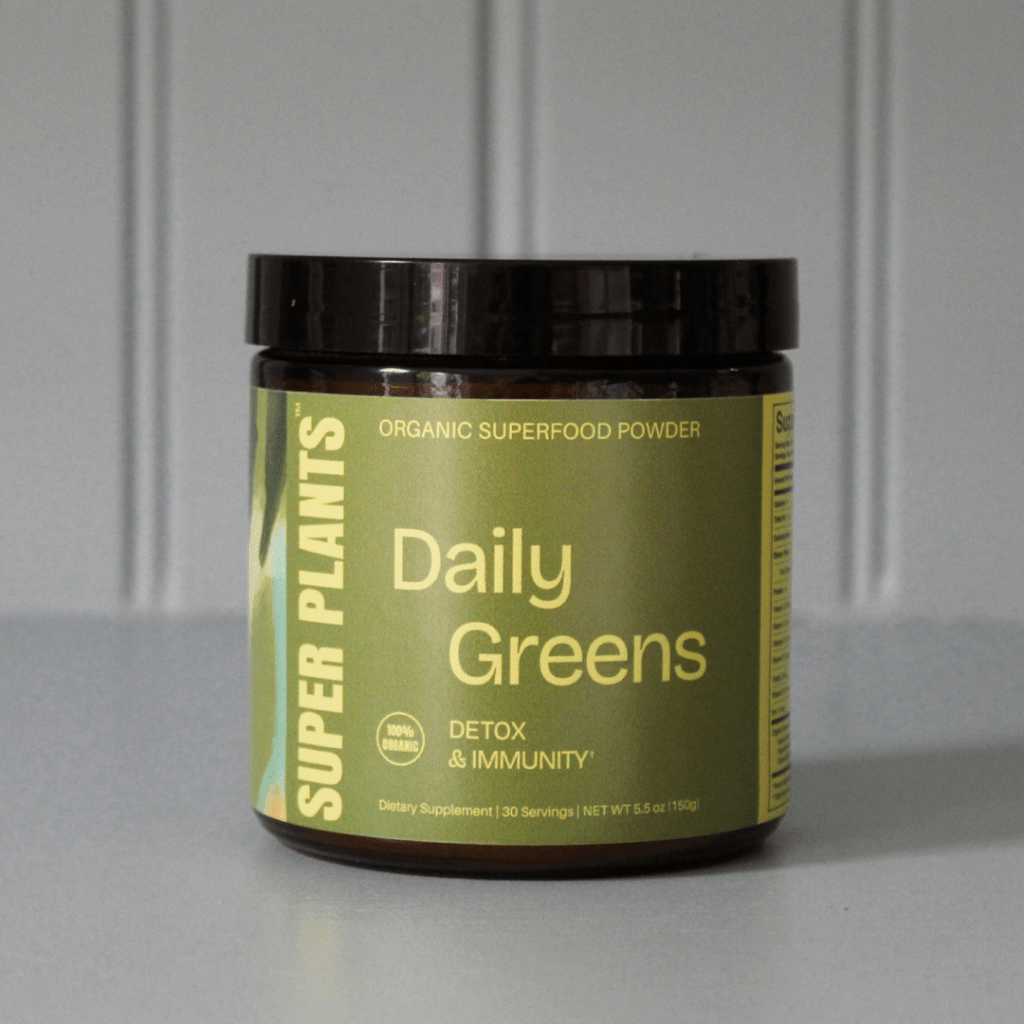
Superplants Daily Greens Powder – Boost your micronutrient intake with a daily greens powder that includes a blend of superfoods. This helps to reduce inflammation and support overall health, which is crucial during intense training cycles.

Cocoa Powder – Not only does it satisfy those chocolate cravings, but cocoa powder is also packed with antioxidants that help fight oxidative stress. It’s also known to boost mood—a nice perk during those long training days.

Pitted Dates – Nature’s candy! Dates are rich in natural sugars that provide quick energy, along with fiber to keep things balanced. Plus, they add the perfect amount of sweetness to the bars.

How to Make Cocoa Protein Bars

Ingredients:

  • 1 cup raw cashews
  • 1/2 cup pitted dates
  • 2 tablespoons Superplants Daily Greens Powder
  • 2 tablespoons cocoa powder

Instructions:

  1. Add cashews and dates to a food processor and blend until a sticky mixture forms.
  2. Add the greens powder and cocoa powder. Blend until fully combined.
  3. Roll mixture into bite-sized balls.
  4. Store balls in refrigerator for an easy grab and go snack.

Why Cocoa Protein Balls are Perfect for Endurance Athletes

These balls aren’t just a sweet treat—they’re an energy powerhouse. Here’s why:

  1. Sustained Energy: The healthy fats from cashews and the natural sugars from dates provide a balanced energy release, perfect for long runs.
  2. Nutrient Dense: With greens powder and cocoa, you’re getting antioxidants and anti-inflammatory benefits in every bite.
  3. Portable and Convenient: Perfect to stash in your running pack, they’re a great mid-run fuel option that won’t melt or crumble easily.
  4. Easy on the Stomach: Made from whole, natural ingredients, these bars are gentle on the stomach, reducing the risk of mid-run digestive issues.

How to Incorporate Them Into Your Routine

  • Pre-Run Fuel: Have a protein ball 30 minutes before your run for a quick energy boost.
  • Mid-Run Snack: Pack protein balls for long trail runs or ultramarathons. They’re the perfect size for a quick pick-me-up.
  • Post-Run Recovery: Pair with a banana or your favorite recovery drink for a balanced snack.
  • Everyday Snack: These protein balls are so tasty you might want one even when you’re not running—and that’s okay!

Final Thoughts

Next time your sweet tooth kicks in, ditch the processed options and fuel your body with something that supports your endurance goals. Cocoa Protein Balls are the perfect combination of sweet, nutritious, and portable. Keep a batch on hand, and you’ll never have to worry about choosing between healthy and delicious again.

Ready to make a batch? Your long run just got a little bit sweeter.

Are You Getting Enough Carbs? A Must-Read for Endurance Athletes

When it comes to endurance training, carbs are not the enemy—they’re your best friend with benefits. Whether you’re training for a marathon, triathlon, or your next ultradistance sufferfest, carbohydrates are the primary fuel source your muscles rely on to keep going strong. But are you actually getting enough?

Here’s how to tell—and how to fix it if you’re falling short.


Why Carbs Matter for Endurance Athletes

Carbohydrates are stored in your muscles and liver as glycogen, which your body taps into during prolonged exercise. When glycogen stores are depleted, fatigue sets in hard—hello bonk.

Getting enough carbs ensures:

  • Sustained energy during long efforts
  • Faster recovery
  • Improved performance and mental clarity
  • Better mood and motivation to train

How Many Carbs Do You Need?

General guidelines for endurance athletes:

  • Daily training (1-2 hrs/day): 5–7g of carbs per kg of body weight
  • Moderate to heavy training (2-3 hrs/day): 6–10g/kg
  • Ultra-distance training or multiple sessions per day: up to 12g/kg

Example: A 150-lb (68kg) athlete doing heavy training may need 400–680g of carbs per day.


Signs You’re Not Getting Enough

  • You’re constantly tired—even after rest days
  • You feel sluggish during workouts or bonk early
  • You crave sugar or carbs obsessively
  • You recover slowly or feel sore for days
  • Your performance is plateauing or declining

Best Carb Sources for Endurance Athletes

Focus on whole food carbs for long-term health and performance:

  • Before/after training: oats, rice, potatoes, sourdough, bananas, dates, smoothies
  • During training: dried fruit, energy chews, maple syrup, white rice balls, homemade fuel bars
  • Throughout the day: whole grains, legumes, root veggies, fruit

Yes, white bread and pasta have their place around race week—but balance is key.


Don’t Forget Carb Timing

  • Pre-run meal/snack (1–3 hrs before): 30–60g carbs
  • During workouts (>90 min): 30–90g/hour, depending on intensity
  • Post-run recovery (within 30–60 min): 1–1.2g/kg carbs + protein

Proper timing helps restock glycogen, reduce muscle breakdown, and speed up recovery.


Final Thoughts

Carbohydrates are not optional for endurance training—they’re essential. Underfueling with carbs can silently sabotage your training progress, lead to burnout, and compromise your health. So before you slash carbs in favor of another diet trend, ask yourself: Am I giving my body the fuel it needs to go the distance?

Your next PR might just be one sweet potato away.

Here’s a sample high-carb meal plan for an endurance athlete training 1–2 hours per day. This plan is plant-based, whole-food focused, and provides roughly 450–500g of carbs, enough for someone weighing around 68–75 kg (150–165 lbs) during moderate training volume.


🌞 Breakfast

Oats with Fruit & Nut Butter

  • 1 cup rolled oats (cooked with water or plant milk)
  • 1 banana, sliced
  • 1/2 cup blueberries or other berries
  • 1 tbsp almond butter
  • 1 tbsp maple syrup

+ 12 oz sports drink or fresh juice

→ ~100g carbs


🏃‍♀️ Mid-Morning Snack (Pre-Workout if applicable)

Rice Cakes with Dates & Peanut Butter

  • 2 rice cakes
  • 1 tbsp peanut butter
  • 3 Medjool dates

→ ~50g carbs


🥗 Lunch

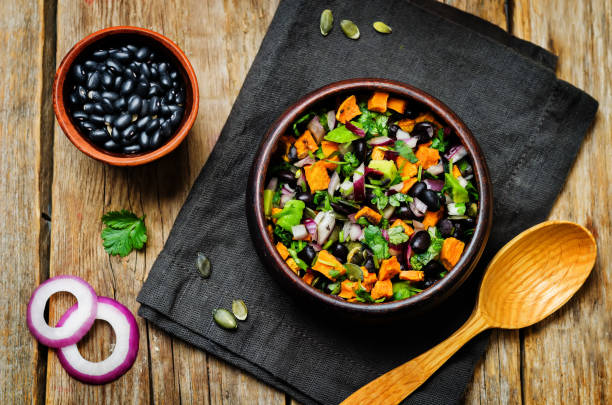
Sweet Potato Black Bean Bowl

  • 1 large roasted sweet potato
  • 1/2 cup cooked quinoa
  • 1/2 cup black beans
  • 1/2 avocado
  • Salsa + greens + lime juice

+ 1 corn tortilla or whole grain toast

→ ~90g carbs


💥 Post-Workout Fuel

Recovery Smoothie

  • 1 banana
  • 1 cup frozen mango
  • 1 scoop plant protein
  • 1 cup oat milk
  • 1 tbsp chia seeds
  • 1 tsp maple syrup
  • Optional: 1 scoop SuperPlants Daily Greens

→ ~60g carbs


🕓 Afternoon Snack

Trail Mix + Fresh Fruit

  • 1 small apple
  • 1/4 cup raisins
  • 2 tbsp mixed nuts

→ ~50g carbs


🌙 Dinner

Lentil Pasta with Marinara & Veggies

  • 2 cups cooked lentil or whole grain pasta
  • 1/2 cup marinara sauce
  • 1 cup roasted veggies (zucchini, peppers, broccoli)
  • 1 tbsp olive oil
  • Side salad with vinaigrette

+ 1 slice sourdough

→ ~100g carbs


🌌 Evening Snack (optional or high-volume training days)

Cereal + Plant Milk or Toast with Jam

  • 1 cup whole grain cereal or 2 slices toast
  • 1 tbsp jam or fruit preserves
  • 1 cup oat milk

→ ~40–50g carbs

Easy Plant-Based Meals to Fuel Your Endurance Runs

Whether you’re training for your next 50K or heading out for a back-to-back long weekend, what you eat matters. Endurance running demands sustained energy, quick recovery, and gut-friendly fuel. For plant-based athletes, the good news is: you don’t need fancy powders or obscure superfoods. You can fuel strong with simple, everyday meals made from whole, plant-based ingredients.

Here are a few easy plant-based meals that hit the sweet spot between flavor, convenience, and performance:


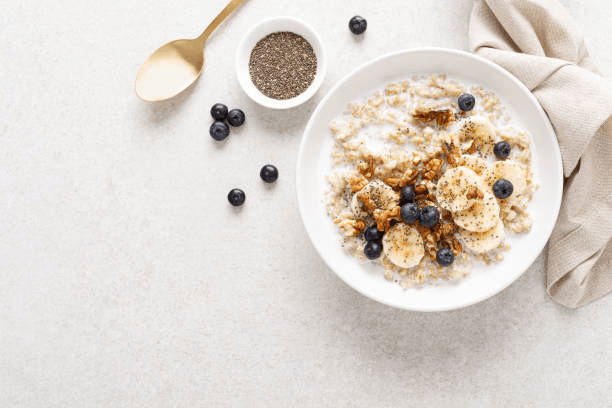
1. Overnight Oats with Banana & Chia

Perfect for: Pre-run breakfast or recovery snack

Ingredients:

  • ½ cup rolled oats
  • 1 tbsp chia seeds
  • 1 cup unsweetened almond milk
  • 1 ripe banana, mashed
  • 1 tsp maple syrup
  • Dash of cinnamon
  • Optional: nut butter or berries
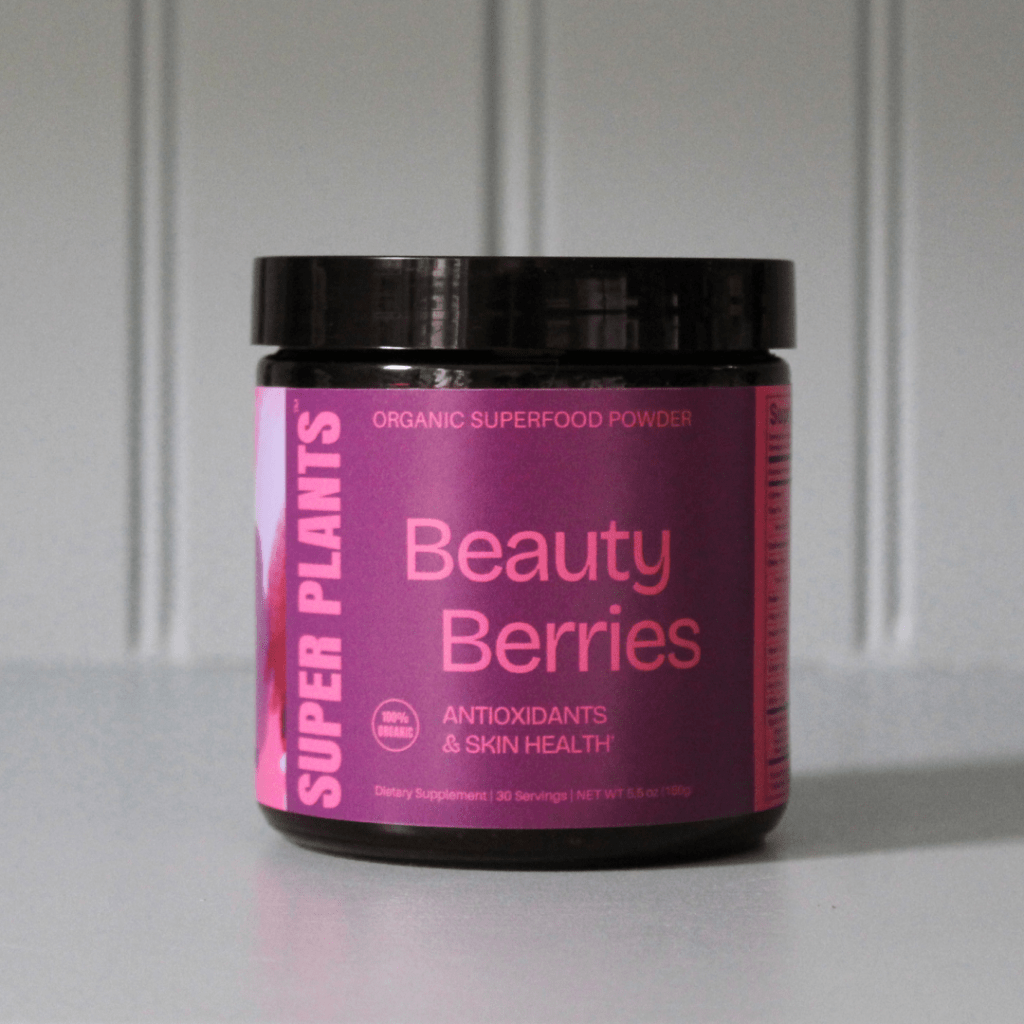
  • Optional: 1 scoop of SuperPlants Beauty Berries

Why it works: Oats offer slow-digesting carbs, chia seeds help with hydration and Omega-3s, and bananas provide quick energy and potassium. It’s gentle on the stomach and easy to prep the night before an early run.


2. Sourdough Toast with Avocado, Hummus & Hemp Seeds

Perfect for: Post-run refuel or hearty snack

Ingredients:

  • 2 slices of sourdough
  • ¼ avocado, mashed
  • 2 tbsp hummus
  • Sprinkle of hemp seeds
  • Dash of sea salt and smoked paprika

Why it works: This savory combo is packed with healthy fats, plant-based protein, and complex carbs. Hemp seeds offer essential amino acids — a bonus for recovery.


3. Sweet Potato & Black Bean Bowls

Perfect for: Lunch or dinner after a long run

Ingredients:

  • 1 large sweet potato, roasted
  • ½ cup black beans
  • ½ avocado, sliced
  • ¼ cup quinoa or brown rice
  • Fresh lime, cilantro, and a sprinkle of nutritional yeast

Why it works: Sweet potatoes are a runner’s best friend — full of vitamin C, potassium, and easily digestible carbs. Black beans add protein and fiber, and quinoa helps repair muscles.


4. Chickpea Pasta with Spinach & Tomato Sauce

Perfect for: Pre-race carb loading

Ingredients:

  • 1 cup chickpea or lentil pasta
  • 1 cup fresh spinach
  • ½ cup tomato basil sauce
  • 1 tbsp olive oil
  • Red chili flakes and garlic powder to taste

Why it works: Chickpea pasta is a great way to get both carbs and protein in one bowl. Add leafy greens for iron and antioxidants to support endurance and reduce inflammation.


5. Energy-Packed Smoothie

Perfect for: Midday snack or breakfast-on-the-go

Ingredients:

  • 1 frozen banana
  • 1 tbsp almond butter
  • 1 tbsp flax or chia seeds
  • 1 cup oat milk
  • Handful of spinach
  • ½ cup frozen berries
  • Optional: 1 scoop plant-based protein (my personal favorite, Naked Pea Protein)
  • Optional: 1 scoop of SuperPlants Daily Greens

Why it works: This smoothie is balanced and energizing without being heavy. It’s quick to digest, making it perfect before shorter runs or as part of your recovery.


Tips for Plant-Based Endurance Nutrition

  • Think ahead: Meal prep for the week makes plant-based eating easy, even on peak training weeks.
  • Don’t fear carbs: Whole grains, fruit, and root veggies are key to long-lasting energy.
  • Get enough protein: Lentils, beans, tofu, tempeh, and seeds can easily cover your protein needs.
  • Hydrate and salt smartly: Add electrolytes to water and include sodium-rich foods like miso or pickles on long run days.

Final Thought: You don’t need to be a gourmet chef to fuel like a pro. With a few go-to meals and some basic planning, plant-based endurance nutrition can be simple, powerful, and delicious.

Want more recipes or a downloadable meal plan for training weeks? Drop a comment or sign up for the newsletter — we’re just getting started.

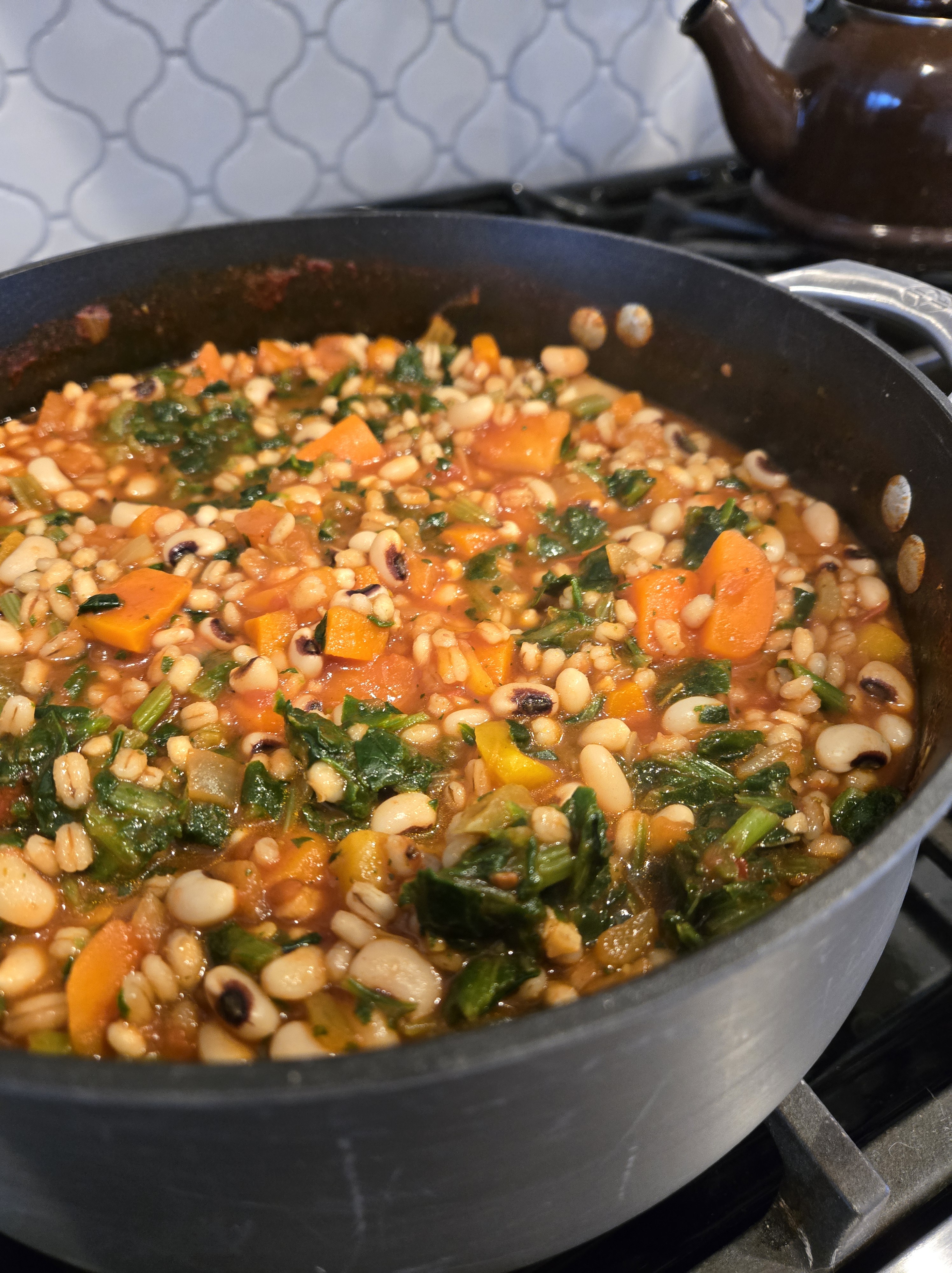
Starting the New Year with a Bowl of Good Fortune: Vegetable Barley Soup

Happy New Year! As we embrace the start of another year, it’s a time for new beginnings and setting intentions for the months ahead. What better way to kick off this fresh start than by stirring up a bowl of good fortune? Today, I’m excited to share a cozy, nutritious recipe that’s perfect for anyone looking to invite luck and prosperity into their new year: Vegetable Barley Soup with.

The Tradition of Lucky Foods

In many cultures, certain foods are eaten on New Year’s Day to bring luck and prosperity. Black-eyed peas, for instance, are considered a lucky food in the Southern United States, symbolizing pennies or coins. They are often eaten in a dish called Hoppin’ John for prosperity in the new year. Similarly, spinach and other greens are believed to bring wealth as their green leaves resemble money while barley is symbolizes fertility and wealth.

Vegetable Barley Soup Recipe

This Vegetable Barley Soup combines these elements of good fortune with hearty, nourishing ingredients to warm your winter day. Here’s how to make it:

Ingredients:

  • 1 tablespoon olive oil
  • 1 large onion, chopped
  • 2 garlic cloves, minced
  • 3 carrots, peeled and diced
  • 2 celery stalks, diced
  • 1 cup pearl barley
  • 1 bay leaf
  • 6 cups vegetable broth
  • 1 can (15 oz) black-eyed peas, drained and rinsed
  • 2 cups spinach, roughly chopped
  • Salt and pepper to taste
  • Optional: lemon juice or red pepper flakes for an extra kick

Instructions:

  1. Prepare the Vegetables:
    • Heat the olive oil in a large pot over medium heat.
    • Add the chopped onion and garlic, sauté until the onion becomes translucent.
  2. Add Carrots and Celery:
    • Mix in the carrots and celery, cooking until they start to soften, about 5 minutes.
  3. Cook the Barley:
    • Stir in the barley and bay leaf, then add the vegetable broth.
    • Bring the mixture to a boil, then reduce heat to a simmer.
    • Cover and let it cook for about 30 minutes, or until the barley is tender.
  4. Add Black-Eyed Peas and Spinach:
    • Add the black-eyed peas and spinach to the pot.
    • Continue to simmer until the spinach wilts and the peas are heated through, about 5 minutes.
    • Season with salt and pepper to taste.
  5. Final Touches:
    • Remove the bay leaf before serving.
    • Optionally, add a squeeze of lemon juice or a sprinkle of red pepper flakes for a zesty flavor.
  6. Serve and Enjoy:
    • Ladle the soup into bowls and enjoy a warm, comforting meal that brings a promise of good luck and fortune for the year ahead.

Embracing the New Year with Healthy Choices

This Vegetable Barley Soup is not just a tradition-rich dish; it’s also packed with nutrients that support healthy living. Barley is a great source of fiber, vitamins, and minerals, while spinach provides iron and vitamins A, C, and K. Black-eyed peas add a boost of protein and fiber, making this soup a well-rounded meal to start your year.

So here’s to a year of good health, happiness, and prosperity. Enjoy your bowl of good fortune, and may it bring you all the wonderful things you wish for in the coming year!

What I Eat the Week Leading Up to a Race: Fueling for Peak Performance

As race day approaches, I like to focus on a balanced diet that ensures my body is fueled, energized, and ready to perform. Nutrition plays a vital role in optimizing endurance and strength, so my meals are designed to provide the right combination of carbohydrates, proteins, fats, and micronutrients. Plus, hydration is essential to keep muscles functioning and avoid fatigue. Here’s what a typical week looks like for me leading up to the big race.

Day 1-3: Building a Solid Foundation

At the start of the week, my priority is maintaining a well-balanced diet. I make sure to include complex carbohydrates for sustained energy, lean protein for muscle repair, and plenty of vegetables to get vital vitamins and minerals.

  • Breakfast: Overnight oats with fresh berries, chia seeds, and a drizzle of honey
  • Lunch: Quinoa with roasted vegetables, chickpeas, and a lemon-tahini dressing
  • Dinner: Crispy sesame tofu with sweet potatoes and steamed broccoli

During this time, I also make sure to snack on healthy options like mixed nuts, fruit, and hummus with whole-grain crackers. These choices keep my energy levels stable throughout the day and provide a good mix of nutrients.

Day 4-5: Upping the Carbs

Midweek, I begin to gradually increase my carbohydrate intake to store glycogen in my muscles. This doesn’t mean overeating but focusing more on carbs as my training intensity lightens up.

  • Breakfast: Whole-grain toast with avocado and a poached egg
  • Lunch: Baked sweet potato with stir-fried tofu and veggies
  • Dinner: Pasta with peas and cannellini beans in garlic and avocado oil

Staying hydrated is also crucial. I aim for at least 3 liters of water per day, adding an electrolyte drink during my lighter runs or recovery workouts.

Day 6: Carbo-Loading and Final Preparation

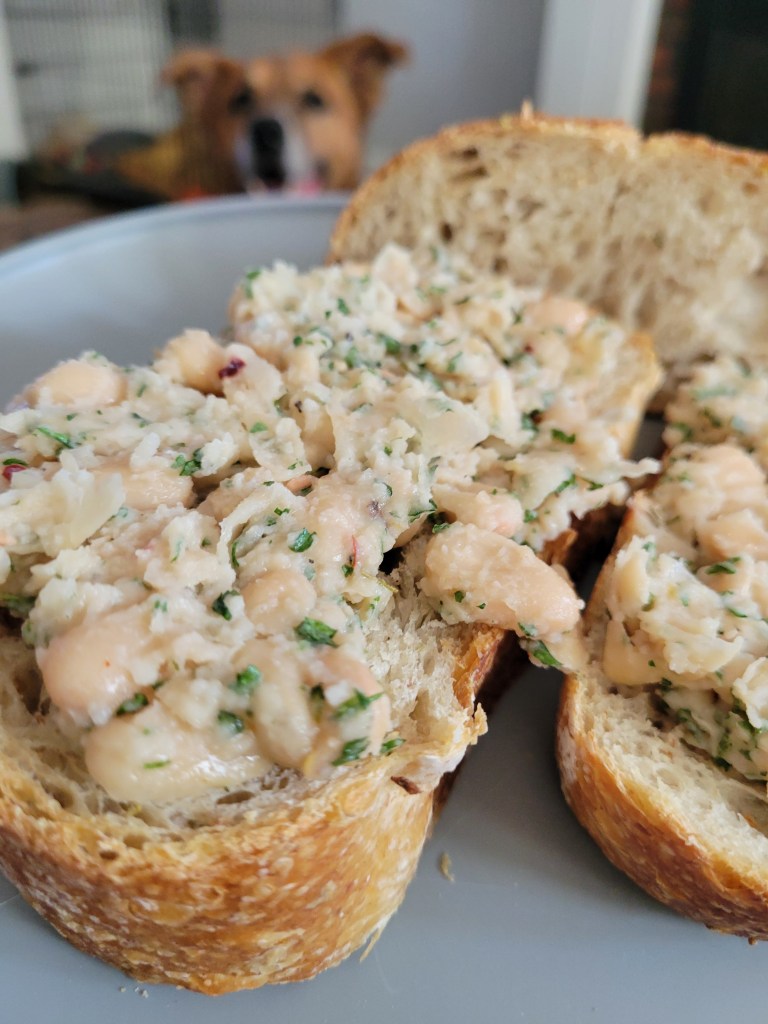
As I get closer to the race, my meals are heavily focused on carbohydrates to ensure I’ve got plenty of stored energy for race day. This is when I make sure to eat meals like one of my favorite pre-race dishes: smashed beans on sourdough toast.

Beans on Sourdough Toast Recipe

This dish is a perfect combination of carbs, protein, and fiber, making it a simple but satisfying meal before a race.

Ingredients:

  • 1 can of cannellini or navy beans (drained and rinsed)
  • 2 slices of sourdough bread
  • 1 garlic clove (minced)
  • 1 tablespoon avocado oil
  • 1 teaspoon smoked paprika
  • 1 teaspoon crushed red pepper (optional)
  • Salt and pepper to taste
  • 1 tablespoon fresh parsley (optional)
  • A splash of lemon juice

Instructions:

  1. Combine the beans, avocado oil, smoked paprika, crushed red pepper, salt, and pepper. Stir well and smash to your liking, allowing the flavors to meld (I like the texture of partially smashed beans, leaving some whole, but you could also blend to a hummus consistency).
  2. Toast the sourdough bread until golden.
  3. Spoon the beans over the toasted sourdough. Garnish with fresh parsley and a squeeze of lemon juice.
  4. Serve immediately, and enjoy!

Beans on toast is light enough not to weigh me down but hearty enough to provide a steady release of energy over several hours. The sourdough provides easily digestible carbohydrates, while the beans give me a boost of protein and fiber.

Day 7 (Race Day Eve): Keeping It Simple

The night before the race, I keep my meals simple and easy to digest. I avoid anything new or too rich that could upset my stomach. My goal is to feel light but fueled.

  • Dinner: A baked sweet potato with black beans
  • Evening snack: A banana or a handful of dried fruit

Hydration continues to be a top priority. I drink plenty of water throughout the day, sipping slowly to avoid bloating. I’ll also include a sports drink to ensure my electrolyte levels are balanced.

Hydration: The Key to Performance

Throughout this week, staying hydrated is as important as my food choices. Water keeps me energized, helps regulate my body temperature, and ensures that my muscles are functioning properly. In the days leading up to the race, I make sure to drink water consistently and use electrolyte supplements if I’ve been sweating heavily. On race day itself, I stick to small sips of water in the hours before the event to avoid feeling too full.

In summary, fueling for a race isn’t just about what you eat on race day—it’s about preparing your body in the week leading up to it. By focusing on a balanced diet, increasing carbohydrates, and maintaining proper hydration, I make sure I’m in peak condition to cross the finish line feeling strong and accomplished.

50k Endurance Training Plan

Creating a 50k endurance run training plan requires a gradual increase in weekly mileage while incorporating rest, cross-training, and long runs to build endurance. This plan will assume you already have a base level of running fitness (able to run at least 20-25 miles per week). If you’re not at this level, you should build up to it before starting this plan.

Note: Always consult with a healthcare provider before beginning any new exercise regimen. Adjust the plan according to your own needs, health status, and advice from professionals.

Week 1-4: Base Building

DayWeek 1Week 2Week 3Week 4
MondayRestRestRestRest
Tuesday4m easy4m easy4m easy4m easy
Wednesday5m mod5m mod5m mod5m mod
ThursdayRestRestRestRest
Friday4m easy4m easy4m easy4m easy
SaturdayCrossTCrossTCrossTCrossT
Sunday8m long8m long8m long8m long

Week 5-8: Building Mileage & Strength

DayWeek 5Week 6Week 7Week 8
MondayRestRestRestRest
Tuesday5m tempo5m tempo5m tempo5m tempo
Wednesday6m easy6m easy6m easy6m easy
ThursdayRestRestRestRest
Friday5m easy5m easy5m easy5m easy
SaturdayCrossTCrossTCrossTCrossT
Sunday9m long10m long11m long12m long

Week 9-12: Peak Mileage & Back-to-Back Long Runs

DayWeek 9Week 10Week 11Week 12
MondayRestRestRestRest
Tuesday6m tempo6m tempo6m tempo6m tempo
Wednesday7m easy7m easy7m easy7m easy
ThursdayRestRestRestRest
Friday5m easy5m easy5m easy5m easy
Saturday8m long10m long12m long14m long
Sunday14m long16m long18m long20m long

Week 13-16: Tapering & Race Preparation

DayWeek 13Week 14Week 15Week 16
MondayRestRestRestRest
Tuesday5m tempo5m tempo5m tempo4m easy
Wednesday6m easy6m easy6m easyRest
ThursdayRestRestRestRest
Friday4m easy4m easy4m easyRest
SaturdayCrossTCrossTCrossTRest
Sunday12m long10m long8m longRace Day!

Make sure to adjust this plan according to your personal needs and listen to your body throughout the training.

Need a quick morning fueling? Check out these protein-packed overnight oats.

Banana and Peanut Butter Overnight Oats

Overnight oats are my favorite way to fuel in the morning before a long run – and they’re easy to prep ahead for the week if I need something quick to grab and go. There are also so many ways to customize with your favorite fruit, protein powder, and seeds.

Ingredients:

  • 1/2 cup rolled oats
  • 1 ripe banana, mashed
  • 1 tablespoon chia seeds
  • 1 tablespoon natural peanut butter (or almond butter for variation)
  • 1/2 cup almond milk (or any plant-based milk of your choice)
  • 1 tablespoon maple syrup (optional)
  • 1/2 teaspoon ground cinnamon
  • Fresh berries or sliced banana, for topping (optional)

Instructions:

  1. In a bowl or jar, combine the rolled oats, mashed banana, chia seeds, peanut butter, almond milk, maple syrup (if using), and ground cinnamon. Stir well to combine all the ingredients evenly.
  2. Cover the bowl or jar with a lid or plastic wrap and refrigerate overnight, or for at least 4 hours, to allow the oats to soften and the flavors to meld together.
  3. In the morning, give the overnight oats a good stir. If the mixture is too thick, you can add a splash of almond milk to reach your desired consistency.
  4. Transfer the overnight oats to a serving bowl and top with fresh berries or sliced banana, if desired.
  5. Enjoy your delicious and nutritious banana and peanut butter overnight oats before your run!

This breakfast recipe is rich in complex carbohydrates, healthy fats, and plant-based protein, providing your body with the energy it needs for a successful run. The combination of oats, banana, chia seeds, and peanut butter makes for a satisfying and nourishing meal that will keep you feeling full and energized throughout your run.

Quinoa and Chickpea Power Bowl

If you’re looking for a midday plant-based meal before heading out for a run, this is a great option!

Ingredients:

  • 1 cup quinoa, rinsed
  • 2 cups vegetable broth or water
  • 1 can (15 oz) chickpeas, drained and rinsed
  • 1 tablespoon olive oil
  • 1 teaspoon ground cumin
  • 1 teaspoon paprika
  • Salt and pepper to taste
  • 2 cups mixed greens (spinach, kale, arugula, etc.)
  • 1 cup cherry tomatoes, halved
  • 1 avocado, sliced
  • 1/4 cup sliced almonds or pumpkin seeds (optional)
  • Lemon wedges for serving

For the Dressing:

  • 2 tablespoons extra virgin olive oil
  • 1 tablespoon balsamic vinegar
  • 1 teaspoon Dijon mustard
  • 1 clove garlic, minced
  • Salt and pepper to taste

Instructions:

  1. In a medium saucepan, combine the quinoa and vegetable broth or water. Bring to a boil, then reduce the heat to low, cover, and simmer for 15-20 minutes, or until the quinoa is cooked and fluffy. Remove from heat and let it sit, covered, for 5 minutes. Fluff the quinoa with a fork and set aside.
  2. Preheat the oven to 400°F (200°C). In a bowl, toss the chickpeas with olive oil, ground cumin, paprika, salt, and pepper until well coated. Spread the chickpeas in a single layer on a baking sheet lined with parchment paper. Roast in the preheated oven for 20-25 minutes, stirring halfway through, until golden and crispy.
  3. While the chickpeas are roasting, prepare the dressing by whisking together the extra virgin olive oil, balsamic vinegar, Dijon mustard, minced garlic, salt, and pepper in a small bowl. Set aside.
  4. In a large mixing bowl, combine the cooked quinoa, roasted chickpeas, mixed greens, cherry tomatoes, avocado slices, and sliced almonds or pumpkin seeds (if using). Drizzle the dressing over the salad and toss gently to combine.
  5. Divide the quinoa and chickpea mixture into serving bowls. Serve with lemon wedges on the side for squeezing over the salad before eating.

This quinoa and chickpea power bowl is packed with plant-based protein, complex carbohydrates, healthy fats, and vitamins and minerals, making it an ideal pre-run meal to fuel your body and provide sustained energy for optimal performance. Enjoy!

Plant-Based Fruit and Nut Protein Balls

Ingredients:

  • 1 cup Medjool dates, pitted
  • 1 cup mixed nuts (almonds, cashews, walnuts, etc.), roughly chopped
  • 1/2 cup rolled oats
  • 1/4 cup dried cranberries or raisins
  • 2 tablespoons chia seeds
  • 2 tablespoons hemp seeds
  • 2 tablespoons ground flaxseed
  • 2 tablespoons plant-based protein powder (pea protein, hemp protein, etc.)
  • Optional: 1 teaspoon vanilla extract (I find that I don’t need the extra sweetness)
  • Pinch of salt
  • Optional: shredded coconut, cocoa powder, or crushed nuts for coating

Instructions:

  1. In a food processor, add the pitted Medjool dates and pulse until they form a sticky paste-like consistency.
  2. Add the mixed nuts to the food processor and pulse a few times until the nuts are broken down into smaller pieces, but still chunky.
  3. Next, add the rolled oats, dried cranberries or raisins, chia seeds, hemp seeds, ground flaxseed, plant-based protein powder, vanilla extract, and a pinch of salt to the food processor.
  4. Pulse the mixture until everything is well combined and forms a sticky dough-like consistency. You may need to stop and scrape down the sides of the food processor as needed.
  5. Once the mixture is ready, scoop out small portions and roll them into balls using your hands. If the mixture is too sticky, you can lightly wet your hands with water to prevent sticking.
  6. Optional: Roll the protein balls in shredded coconut, cocoa powder, or crushed nuts for extra flavor and texture.
  7. Place the rolled protein balls on a baking sheet lined with parchment paper and refrigerate for at least 30 minutes to firm up.
  8. Once firm, transfer the protein balls to an airtight container and store them in the refrigerator for up to two weeks.

These plant-based fruit and nut protein balls are perfect for a quick and nutritious snack on the go. Enjoy!