🌱 Tofu Scramble: The Ultimate Plant-Based Protein Breakfast

One of the best parts about eating plant-based is reimagining comfort classics in healthier, protein-packed ways. Take scrambled eggs, for example: hearty, savory, and easy to whip up. Enter tofu scramble—a plant-powered twist that’s just as satisfying, but loaded with extra nutrients and cruelty-free goodness.

And the bonus? A single serving of tofu scramble can pack over 30 grams of protein—making it one of the strongest starts to your day. Whether you’re an endurance runner, weightlifter, or just need long-lasting energy for a busy day, this recipe hits the mark.


💪 Why Tofu Scramble Works

  • Protein powerhouse: Firm tofu alone brings about 35g of protein per block. Add nutritional yeast and veggies, and you’ve got a nutrient-dense breakfast that keeps you fueled.
  • Customizable: Think of tofu scramble as a blank canvas—you can add whatever veggies and spices you love.
  • Meal-prep friendly: Make a batch on Sunday and enjoy quick breakfasts all week.

🍳 Tofu Scramble Recipe

Servings: 2 hearty portions
Protein: ~43g total (about 21g per serving)

Ingredients:

  • 1 block firm or extra-firm tofu (pressed, ~35g protein)
  • 1 cup spinach (or kale)
  • 1 red bell pepper, diced
  • 1 cup mushrooms, sliced
  • 2 tbsp nutritional yeast (~8g protein)
  • 1 tsp turmeric (for color & anti-inflammatory boost)
  • ½ tsp garlic powder
  • ½ tsp onion powder
  • ½ tsp paprika
  • Salt & black pepper to taste
  • 1 tbsp olive oil (or spray for lighter version)

Optional toppings: avocado slices, salsa, or hot sauce


Instructions:

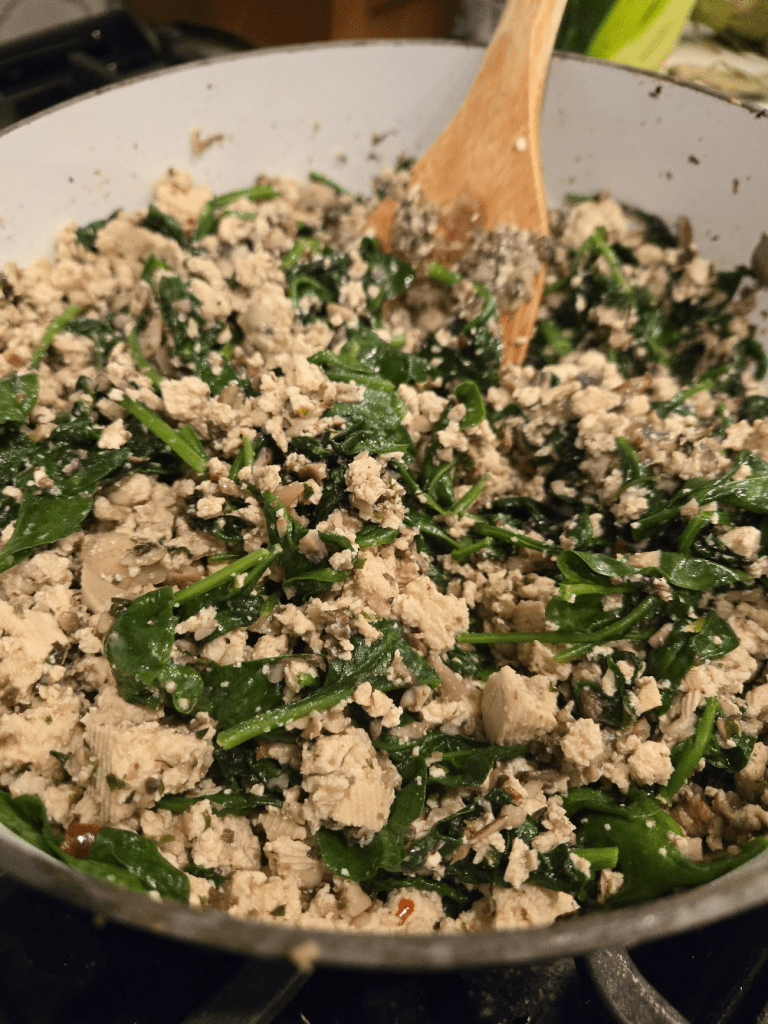
  1. Prep the tofu: Drain and press your tofu to remove excess water. Crumble it into a bowl with your hands or a fork until it resembles scrambled eggs.
  2. Cook the veggies: Heat olive oil in a pan over medium heat. Add mushrooms, peppers, and spinach. Cook until softened (about 5 minutes).
  3. Add the tofu: Toss the crumbled tofu into the pan. Sprinkle with turmeric, garlic powder, onion powder, paprika, salt, and pepper. Stir well.
  4. Boost with nooch: Sprinkle nutritional yeast over the scramble, stirring until everything is coated and vibrant yellow.
  5. Serve hot: Plate with avocado, wrap it into a tortilla, or enjoy alongside toast.

🌟 Pro Tips

  • For extra flavor: Add a splash of soy sauce or tamari.
  • For extra protein: Serve with a slice of sprouted grain bread or a side of black beans.
  • For meal prep: Store in an airtight container in the fridge for up to 4 days.

✨ Final Thoughts

Who says plant-based breakfasts can’t be protein-packed? This tofu scramble proves otherwise. It’s quick, customizable, and strong enough to power you through long runs, heavy workouts, or just the morning rush.

Next time someone asks where you get your protein—serve them this dish. One bite, and the myth is scrambled. 🌱💪
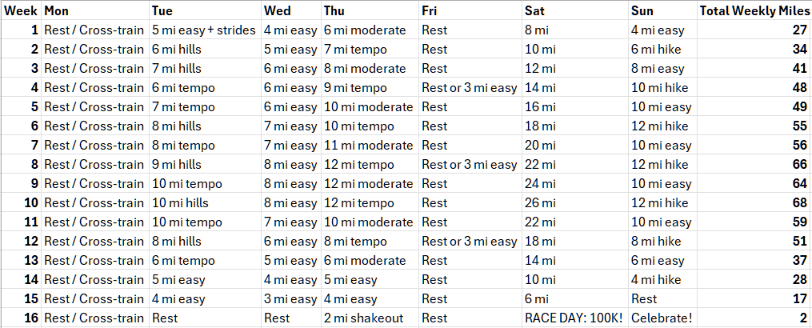
Conquer the Distance: A 16-Week 100K Ultramarathon Training Plan

Running 100 kilometers isn’t just a feat of endurance — it’s a full-body, full-mind adventure that tests grit, preparation, and trust in the process. Whether it’s your first ultra or you’re leveling up from the 50K distance, this 16-week training plan will guide you to the finish line with structure, smart fueling, intentional recovery, and gear that won’t quit before you do.


Training Plan Overview

This plan assumes you’re comfortable running 25–30 miles per week and have a solid base. You’ll gradually increase volume and include back-to-back long runs, strength work, and recovery weeks.

Weekly Structure

  • Mon – Rest or cross-train
  • Tue – Speed or hill workout (6–10 miles)
  • Wed – Easy run (5–8 miles)
  • Thu – Medium-long run or tempo (8–12 miles)
  • Fri – Rest or easy shakeout (optional)
  • Sat – Long run
  • Sun – Back-to-back long run or hike

Monthly Focus

  • Weeks 1–4: Base building (30–45 mi/week)
  • Weeks 5–8: Endurance + intensity (40–55 mi/week)
  • Weeks 9–12: Peak mileage (55–65 mi/week)
  • Weeks 13–15: Taper (reduce volume, maintain intensity)
  • Week 16: Race week!

Fueling for the 100K Distance

Fueling isn’t just race-day strategy — it’s a key pillar of training.

During Long Runs and Race Day

  • Carbs: Aim for 200–300 calories/hour (50–75g of carbs)
  • Mix gels, chews, dates, PB&J, boiled potatoes, or sports drink.
  • Practice eating every 30–45 minutes — train your gut!

Pre-Run

  • Eat a carb-rich meal 2–3 hours before long runs: oatmeal, toast with nut butter, or a bagel with banana.

Post-Run Recovery

  • Eat within 30–60 minutes: target carbs + protein (like a smoothie, tofu burrito, or chocolate soy milk and a banana).
  • Hydrate with electrolytes (especially in hot weather).

Recovery Tips to Stay Strong

Training for 100K is as much about rest as it is about running.

  • Sleep 7–9 hours/night — it’s when your body repairs.
  • Foam roll and stretch after runs, especially during peak weeks.
  • Schedule down weeks every 3–4 weeks to reduce mileage by 20–30%.
  • Don’t ignore aches: tight calves and hip flexors today = injury tomorrow.
  • Epsom salt baths, compression socks, and short walks can help sore legs recover faster.

Gear You’ll Want (and Actually Use)

You don’t need a gear closet full of shiny things — but a few quality essentials will make your 100K adventure way more comfortable.

Shoes

  • Trail shoes with solid grip (e.g., Brooks Cascadia, Hoka Speedgoat)
  • Rotate pairs if running high mileage

Hydration Pack

  • At least 2L capacity with pockets for fuel, jacket, and phone
  • Practice with it on long runs

Apparel

  • Technical fabric that won’t chafe
  • Gaiters (optional, but great for dusty/rocky trails)

Extras

  • Headlamp (with backup batteries or charger)
  • Body Glide or Trail Toes (prevent hot spots and blisters)
  • Trekking poles (if your race has big climbs)
  • A watch or app to track distance and elevation

Final Thoughts: Trust the Journey

You’ll have tired legs, early mornings, and runs that go better (or worse) than planned — but each one builds toward that moment when you cross the 100K finish line. Remember:

  • Practice fueling on every long run
  • Listen to your body
  • Recovery is training
  • Gear is your ally, not your distraction
  • Keep showing up

You’ve got 16 weeks. Lace up, plan your long runs, and let the training transform you.


Ready to take the leap? Drop your questions in the comments or tag us in your training photos — we’d love to cheer you on.

How to Prepare Your Crew for Ultramarathon Success

Running an ultramarathon is an incredible feat, but it’s not a solo mission. Behind every successful ultra finish is a well-prepared, well-coordinated crew that knows how to meet your needs, navigate the course, and keep you moving forward when the miles get long. Here’s how to set your crew up for success so you can focus on crushing those miles.

1. Provide Them with a Race Plan

Before race day, share your race plan with your crew. This should include:

  • Expected arrival times at each aid station based on your planned pace.
  • Drop bag locations and what you expect to need from each one.
  • Course maps and elevation profiles, so they know where the brutal climbs and smooth downhills are.
  • Pacing strategy – if you plan to run strong in the first half or conserve energy for a late push.

A well-informed crew can anticipate your needs and keep you moving efficiently.

2. Fueling Strategy and Needs

Your crew is your mobile aid station. Make sure they are prepared with:

  • Electrolytes, water, and fuel that you’ve tested in training.
  • Extra gear, including socks, shoes, and layers for changing weather.
  • Special needs like salt tabs, blister care kits, and anti-chafing products.

Pro tip: Have your fuel labeled and easily accessible. A frantic search for a missing gel can waste valuable minutes.

3. Set Clear Expectations

Your crew should know exactly what you need from them:

  • Motivation or tough love? Be honest about what works for you.
  • Quick transitions. The less time you spend at aid stations, the better.
  • Problem solving. Blisters, cramps, gear failures – make sure your crew knows how to handle these hiccups.

4. Make it Fun for Them Too

Your crew is giving up their time and comfort to support you, so make it enjoyable:

  • Pack snacks, chairs, and blankets for their comfort.
  • Encourage them to bring games, music, or books for the downtime.
  • Create a cheering strategy to keep the energy high at each stop.

A happy crew is an effective crew.

5. Practice Crew Scenarios During Training

Do some of your long runs with your crew practicing aid station stops. Time transitions, test out gear swaps, and simulate the chaos of a busy checkpoint. The more you practice, the smoother race day will be.

6. Express Gratitude

After the race, take the time to thank your crew. A small gesture like a thank-you card or post-race meal goes a long way in showing appreciation for their hard work.

Your crew is your lifeline out there. With the right preparation and clear communication, they’ll keep you fueled, focused, and pushing toward that finish line. When the miles get tough, you’ll be glad you have them by your side.

Habit Stacking: The Sneaky Secret to Building Better Routine

(Inspired by James Clear’s Atomic Habits)

Atomic Habits by James Clear is more than just a book on habit formation—it’s a blueprint for building sustainable, life-changing routines. Clear’s approach focuses on the power of small, incremental improvements—1% better every day—which, when compounded, lead to transformative results.

You know how brushing your teeth doesn’t require a motivational speech every morning? That’s because it’s already part of your routine. Imagine if building new, healthy habits could feel just as automatic.

Enter habit stacking—a concept popularized by James Clear in his bestselling book Atomic Habits. It’s simple, powerful, and borderline sneaky in the best way possible.

What Is Habit Stacking?

Habit stacking is the art of linking a new habit to one you already do regularly. Instead of relying on sheer willpower or setting reminders that fizzle out, you anchor your new habit to an existing behavior—essentially riding the coattails of routines that are already wired into your brain.

Clear explains it like this: “The best way to build a new habit is to identify a current habit you already do each day and then stack your new behavior on top.”

Think of it as using your brain’s autopilot to your advantage.

How Habit Stacking Works

Here’s the magic formula:

“After [current habit], I will [new habit].”

Examples:

  • After I pour my morning coffee, I will meditate for 60 seconds.
  • After I brush my teeth, I will floss one tooth (yes, just one—you’ll probably do more).
  • After I lace up my running shoes, I will do 10 jumping jacks.
  • After I close my laptop for the day, I will write one sentence in my journal.

The key is specificity and consistency. You’re not just saying “I’ll meditate sometime tomorrow.” You’re saying when and where—and you’re tacking it on to something you already do without fail.

Why It Works

Habit stacking works because it:

  • Reduces decision fatigue: You don’t have to think about when to do the new habit.
  • Leverages existing routines: Your brain already recognizes the “trigger,” making adoption smoother.
  • Feels manageable: Starting small (as Clear insists) builds momentum and confidence.

Start Small, Stack Smart

The biggest mistake people make? Trying to stack huge, ambitious habits right out of the gate. Start tiny. Even embarrassingly tiny. One push-up. One sentence. One deep breath. The goal is not intensity—it’s consistency.

Then, stack smarter:

  • Choose a current habit you do reliably every day.
  • Match it with a habit that logically fits (e.g., hydration after brushing your teeth).
  • Keep it short and friction-free.

Habit Stacking for Endurance Runners 🏃‍♀️🏞️

For endurance training, the principles in Atomic Habits are incredibly impactful. Clear’s method of habit stacking allows you to anchor important training habits to existing routines. For example, linking hydration to your morning coffee ritual or stretching to your post-run cooldown makes these critical habits almost automatic. Over time, these tiny adjustments stack up to major improvements in consistency, recovery, and mental resilience.

If you’re an endurance runner, habit stacking can be an absolute game-changer for consistency, recovery, and mental toughness. Here’s how you can stack smart habits into your running routine:

Before Your Run:

  • After I put on my running shoes, I will drink a full glass of water.
  • After I start my GPS watch, I will do two minutes of dynamic stretching.
  • After I lock my front door, I will visualize my route and goals for the run.

During Your Run:

  • After each mile marker, I will check my form (posture, foot strike, breathing).
  • After every aid station (if you’re racing), I will take a deep breath and reset my focus.

Post-Run Routine:

  • After I take off my shoes, I will do 5 minutes of stretching.
  • After I rehydrate, I will log my run and reflect on how I felt.
  • After I shower, I will spend 2 minutes foam rolling.

Final Thoughts

Habit stacking turns the intimidating mountain of self-improvement into a series of tiny, winnable steps. Whether you’re training for a marathon, trying to read more, or just want to finally stretch your hamstrings—habit stacking can help you build a foundation for lasting change.

For endurance runners, it’s a secret weapon for making the critical elements of training—hydration, stretching, and reflection—part of your autopilot.

As James Clear puts it: “You do not rise to the level of your goals. You fall to the level of your systems.”
Habit stacking helps you build those systems, one small step at a time.

Want help crafting your own habit stacks for running, writing, or just surviving Mondays? Drop a comment and let’s build some together!

Stay Charged: The Importance of Electrolytes (Plus a DIY Hydration Recipe)

Whether you’re powering through a long run, sweating it out on a summer hike, or just trying to stay energized during a busy day, one thing is clear: electrolytes matter.

Why Electrolytes Are Essential

Electrolytes—like sodium, potassium, magnesium, and calcium—are minerals that conduct electricity in your body. They’re responsible for a host of vital functions, including:

  • Regulating fluid balance
  • Supporting nerve and muscle function
  • Maintaining pH levels
  • Helping your body absorb nutrients

When you sweat, you’re not just losing water. You’re also losing these essential minerals. Without replenishing them, you risk dehydration, cramping, fatigue, and even impaired brain function.

But Wait—Isn’t Water Enough?

Water alone is great for mild hydration needs, but when you’re losing a lot of fluids (hello, endurance runners, hot yoga fans, and summer gardeners), you need to replace electrolytes too. That’s where electrolyte drinks come in—but many store-bought versions are loaded with artificial flavors, dyes, and refined sugars.

Enter: The DIY Electrolyte Drink

Here’s a homemade electrolyte drink that’s simple, clean, and made with real ingredients you probably already have.

🍋 DIY Maple-Lime Electrolyte Drink

Ingredients:

  • 2 cups cold water (or coconut water for extra potassium)
  • 1 tbsp pure maple syrup (natural source of glucose for energy)
  • 1/8 tsp Himalayan pink salt (rich in trace minerals like sodium and magnesium)
  • Juice of 1 lime (vitamin C + zingy flavor)

Instructions:

  1. Stir all ingredients together in a glass or shaker bottle.
  2. Taste and adjust lime or maple syrup to your liking.
  3. Chill with ice or store in the fridge for up to 24 hours.

Pro Tip: For longer efforts (90+ minutes), double the salt and maple syrup for extra replenishment.


Electrolytes aren’t just for athletes—they’re for anyone who wants to feel balanced, energized, and hydrated throughout the day. Skip the neon drinks and give your body what it actually craves: real ingredients with real benefits.

Race Recap: Philly Trail Marathon – Wissahickon Valley Park

On April 12, 2025, I ran the Philly Trail Marathon at Wissahickon Valley Park in Philadelphia—and it might be one of my new favorite races. Nestled just outside the buzz of the city, this gem of a trail marathon delivered everything I love about running in the woods: flowy singletrack, gnarly rocks, steep climbs, creek crossings, and a vibe that felt like one big muddy celebration of trail community.

The Course

Wissahickon Valley Park is such a surprising oasis—lush, rugged, and wonderfully wild. The race started with rolling hills that warmed you up quickly, followed by winding trails through towering trees and rocky outcrops that demanded your attention (and the occasional power hike). It was the kind of course that keeps you honest: technical in spots, but totally runnable if your legs and mind were willing to stay engaged.

Spring showed up right on time. The trails were lined with fresh greenery, blooming wildflowers, and the sound of rushing water after a week of rain. There were a few slick patches and muddy spots, but that just made it more fun—exactly what a trail marathon should be.

The Fuel (aka: My Love Letter to PB&J)

Fueling for this race was simple but effective: peanut butter and jelly sandwiches. I packed a few cut-up squares in a ziplock and kept them handy in my vest. Every hour or so, I’d pop one like a trail-running Lunchable. Something about the combo of carbs, fat, and nostalgia made it the perfect trail snack. Plus, the aid stations were fully stocked and full of energy—volunteers handing out everything from orange slices to pickle juice with big smiles and even bigger cheers.

The Vibe

What really stood out was the community energy. From the friendly pre-race chatter to the trail-side encouragement between runners, it felt more like a group adventure than a competition. The volunteers were the heart of the event—cheering, laughing, and keeping things moving with amazing positivity (and snacks, of course).

Crossing the finish line was the perfect mix of exhaustion and joy. Post-race treats, muddy legs, high-fives, and that deep satisfaction of knowing you just did something hard—and loved it.

A Shoutout to Uberendurancesports

I can’t wrap up this recap without giving a huge shoutout to Uberendurancesports, the masterminds behind this incredible event. Their commitment to organizing affordable, fun races with a unique German twist is truly commendable. From the well-marked trails to the enthusiastic volunteers and the delightful post-race atmosphere, their events are a testament to their passion for the running community. If you’re looking for a race that combines challenge, camaraderie, and a touch of European flair, look no further than Uberendurancesports.

Final Thoughts

If you’re looking for a trail race that’s scenic, challenging, and full of heart, put the Philly Trail Marathon on your list. Wissahickon Valley Park delivered in every way. I’ll absolutely be back next year—with fresh legs, more PB&Js, and maybe a few friends in tow.

Are You Getting Enough Carbs? A Must-Read for Endurance Athletes

When it comes to endurance training, carbs are not the enemy—they’re your best friend with benefits. Whether you’re training for a marathon, triathlon, or your next ultradistance sufferfest, carbohydrates are the primary fuel source your muscles rely on to keep going strong. But are you actually getting enough?

Here’s how to tell—and how to fix it if you’re falling short.


Why Carbs Matter for Endurance Athletes

Carbohydrates are stored in your muscles and liver as glycogen, which your body taps into during prolonged exercise. When glycogen stores are depleted, fatigue sets in hard—hello bonk.

Getting enough carbs ensures:

  • Sustained energy during long efforts
  • Faster recovery
  • Improved performance and mental clarity
  • Better mood and motivation to train

How Many Carbs Do You Need?

General guidelines for endurance athletes:

  • Daily training (1-2 hrs/day): 5–7g of carbs per kg of body weight
  • Moderate to heavy training (2-3 hrs/day): 6–10g/kg
  • Ultra-distance training or multiple sessions per day: up to 12g/kg

Example: A 150-lb (68kg) athlete doing heavy training may need 400–680g of carbs per day.


Signs You’re Not Getting Enough

  • You’re constantly tired—even after rest days
  • You feel sluggish during workouts or bonk early
  • You crave sugar or carbs obsessively
  • You recover slowly or feel sore for days
  • Your performance is plateauing or declining

Best Carb Sources for Endurance Athletes

Focus on whole food carbs for long-term health and performance:

  • Before/after training: oats, rice, potatoes, sourdough, bananas, dates, smoothies
  • During training: dried fruit, energy chews, maple syrup, white rice balls, homemade fuel bars
  • Throughout the day: whole grains, legumes, root veggies, fruit

Yes, white bread and pasta have their place around race week—but balance is key.


Don’t Forget Carb Timing

  • Pre-run meal/snack (1–3 hrs before): 30–60g carbs
  • During workouts (>90 min): 30–90g/hour, depending on intensity
  • Post-run recovery (within 30–60 min): 1–1.2g/kg carbs + protein

Proper timing helps restock glycogen, reduce muscle breakdown, and speed up recovery.


Final Thoughts

Carbohydrates are not optional for endurance training—they’re essential. Underfueling with carbs can silently sabotage your training progress, lead to burnout, and compromise your health. So before you slash carbs in favor of another diet trend, ask yourself: Am I giving my body the fuel it needs to go the distance?

Your next PR might just be one sweet potato away.

Here’s a sample high-carb meal plan for an endurance athlete training 1–2 hours per day. This plan is plant-based, whole-food focused, and provides roughly 450–500g of carbs, enough for someone weighing around 68–75 kg (150–165 lbs) during moderate training volume.


🌞 Breakfast

Oats with Fruit & Nut Butter

  • 1 cup rolled oats (cooked with water or plant milk)
  • 1 banana, sliced
  • 1/2 cup blueberries or other berries
  • 1 tbsp almond butter
  • 1 tbsp maple syrup

+ 12 oz sports drink or fresh juice

→ ~100g carbs


🏃‍♀️ Mid-Morning Snack (Pre-Workout if applicable)

Rice Cakes with Dates & Peanut Butter

  • 2 rice cakes
  • 1 tbsp peanut butter
  • 3 Medjool dates

→ ~50g carbs


🥗 Lunch

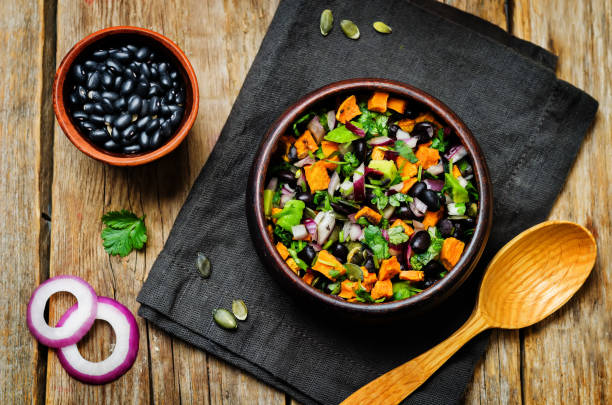
Sweet Potato Black Bean Bowl

  • 1 large roasted sweet potato
  • 1/2 cup cooked quinoa
  • 1/2 cup black beans
  • 1/2 avocado
  • Salsa + greens + lime juice

+ 1 corn tortilla or whole grain toast

→ ~90g carbs


💥 Post-Workout Fuel

Recovery Smoothie

  • 1 banana
  • 1 cup frozen mango
  • 1 scoop plant protein
  • 1 cup oat milk
  • 1 tbsp chia seeds
  • 1 tsp maple syrup
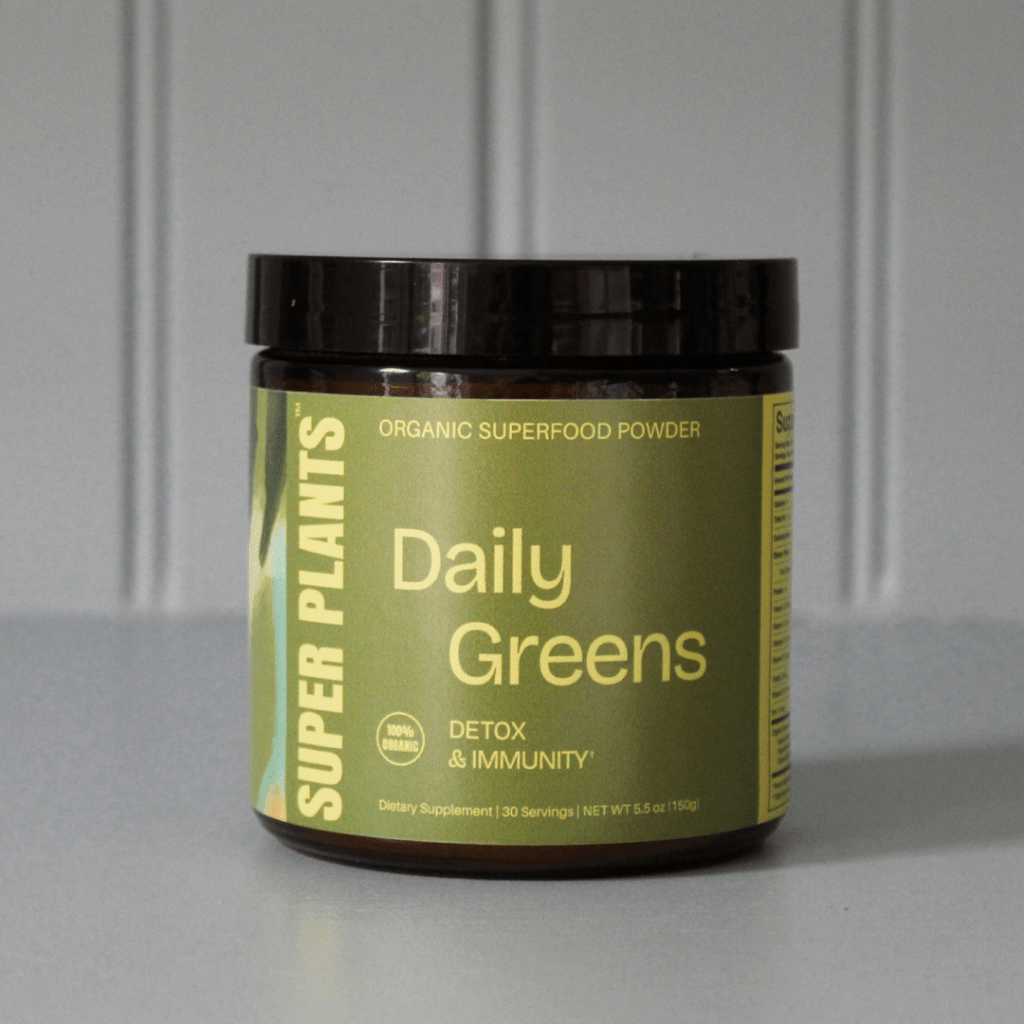
  • Optional: 1 scoop SuperPlants Daily Greens

→ ~60g carbs


🕓 Afternoon Snack

Trail Mix + Fresh Fruit

  • 1 small apple
  • 1/4 cup raisins
  • 2 tbsp mixed nuts

→ ~50g carbs


🌙 Dinner

Lentil Pasta with Marinara & Veggies

  • 2 cups cooked lentil or whole grain pasta
  • 1/2 cup marinara sauce
  • 1 cup roasted veggies (zucchini, peppers, broccoli)
  • 1 tbsp olive oil
  • Side salad with vinaigrette

+ 1 slice sourdough

→ ~100g carbs


🌌 Evening Snack (optional or high-volume training days)

Cereal + Plant Milk or Toast with Jam

  • 1 cup whole grain cereal or 2 slices toast
  • 1 tbsp jam or fruit preserves
  • 1 cup oat milk

→ ~40–50g carbs

Fueling Long Runs with Whole Foods: The Power of Nuts and Dried Fruit

When it comes to long runs, fueling is everything. But you don’t have to rely on neon gels or processed chews to keep you going. Whole foods like nuts and dried fruits are compact, nutrient-dense, and surprisingly effective at delivering sustained energy on the move—plus, they don’t require a degree in chemistry to understand.

Why Whole Foods?

Whole foods provide a balance of carbs, fats, and protein in their most natural form. They’re easy on the stomach for many runners, and they offer added nutrients that synthetic fuels often leave behind—think fiber, antioxidants, and essential minerals.

Dried Fruits: Nature’s Energy Chews

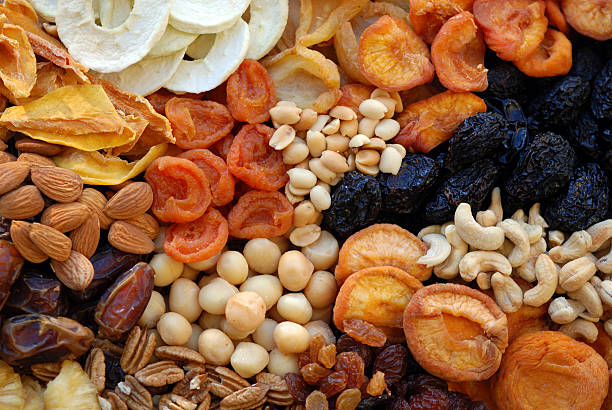
Dried fruits are packed with simple carbohydrates that your body can quickly convert into fuel. A few top picks for runners:

  • Dates: High in glucose and potassium—great for quick energy and cramp prevention.
  • Raisins: Easy to chew, slightly sweet, and shown in studies to be as effective as commercial gels.
  • Dried mango, apricots, or figs: Naturally sweet and rich in fiber and iron.

Tip: Pair dried fruit with a little salt (or choose salted varieties) to help replenish electrolytes lost in sweat.

Nuts: Long-Lasting Energy

Nuts offer healthy fats and protein, which provide slower-burning fuel to keep you going strong over hours of effort.

  • Almonds: High in vitamin E and magnesium for muscle support.
  • Cashews: Creamy, slightly sweet, and rich in iron and zinc.
  • Walnuts: Packed with omega-3s for anti-inflammatory benefits.

Tip: Pre-portion a mix of nuts and fruit into small zip-top bags or reusable containers so you can grab, run, and go.

DIY Trail Mix Ideas

  • Sweet & Salty Classic: Almonds, cashews, dried cranberries, pretzel pieces
  • Tropical Fuel: Macadamia nuts, coconut flakes, dried mango, banana chips
  • Ultra Mix: Walnuts, raisins, dark chocolate chips, sunflower seeds

Timing Matters

  • Before your run: A small handful of dried fruit gives a carb boost without weighing you down.
  • During your run: Every 45–60 minutes, snack on 100–150 calories of your fruit-nut mix to keep energy levels steady.
  • After your run: Combine with water and a bit of protein to refuel and recover.

Final Thoughts

Whole food fueling isn’t just for hikers. Nuts and dried fruits are a time-tested, runner-approved way to stay energized without artificial ingredients. They’re portable, customizable, and easy to love.

Want to go even more natural? Try making your own energy bites with oats, dates, nut butter, and chia seeds for a compact snack with no junk—just real food, real fuel.

🥜 Homemade Energy Bites: Fuel-On-the-Go Balls

Ingredients:

  • 1 cup rolled oats
  • ½ cup nut butter (almond, peanut, or cashew)
  • ½ cup chopped dates (or raisins)
  • 2 tbsp chia seeds (or flaxseed meal)
  • 2 tbsp maple syrup or honey (optional for extra stickiness/sweetness)
  • 1 tsp vanilla extract
  • Pinch of salt

Instructions:

  1. Combine all ingredients in a bowl and mix well.
  2. Chill the mixture in the fridge for 15–20 minutes.
  3. Roll into 1-inch balls and store in the fridge for up to a week or freeze for longer storage.
  4. Take 2–3 bites with you on long runs for about 100–150 calories each.

💡 Add-ins: cocoa powder, shredded coconut, chopped dark chocolate, or cinnamon for flavor variations.


🏃‍♀️ Printable Trail Mix Combos for Long Runs

Mix NameIngredients
Sweet & SaltyAlmonds, raisins, pretzel bits, dark chocolate chips
Tropical FuelCashews, dried mango, coconut flakes, banana chips
Choco-Cherry BoostWalnuts, dried cherries, dark chocolate chunks, sunflower seeds
Ultra MixPeanuts, dates (chopped), salted pumpkin seeds, dried apricots
Maple CrunchPecans, dried apples, granola clusters, maple-glazed almonds

🧃 Pro Tip: Pair any mix with electrolyte water or a squeeze of lemon + salt in your bottle to stay balanced.

Easy Plant-Based Meals to Fuel Your Endurance Runs

Whether you’re training for your next 50K or heading out for a back-to-back long weekend, what you eat matters. Endurance running demands sustained energy, quick recovery, and gut-friendly fuel. For plant-based athletes, the good news is: you don’t need fancy powders or obscure superfoods. You can fuel strong with simple, everyday meals made from whole, plant-based ingredients.

Here are a few easy plant-based meals that hit the sweet spot between flavor, convenience, and performance:


1. Overnight Oats with Banana & Chia

Perfect for: Pre-run breakfast or recovery snack

Ingredients:

  • ½ cup rolled oats
  • 1 tbsp chia seeds
  • 1 cup unsweetened almond milk
  • 1 ripe banana, mashed
  • 1 tsp maple syrup
  • Dash of cinnamon
  • Optional: nut butter or berries
  • Optional: 1 scoop of SuperPlants Beauty Berries

Why it works: Oats offer slow-digesting carbs, chia seeds help with hydration and Omega-3s, and bananas provide quick energy and potassium. It’s gentle on the stomach and easy to prep the night before an early run.


2. Sourdough Toast with Avocado, Hummus & Hemp Seeds

Perfect for: Post-run refuel or hearty snack

Ingredients:

  • 2 slices of sourdough
  • ¼ avocado, mashed
  • 2 tbsp hummus
  • Sprinkle of hemp seeds
  • Dash of sea salt and smoked paprika

Why it works: This savory combo is packed with healthy fats, plant-based protein, and complex carbs. Hemp seeds offer essential amino acids — a bonus for recovery.


3. Sweet Potato & Black Bean Bowls

Perfect for: Lunch or dinner after a long run

Ingredients:

  • 1 large sweet potato, roasted
  • ½ cup black beans
  • ½ avocado, sliced
  • ¼ cup quinoa or brown rice
  • Fresh lime, cilantro, and a sprinkle of nutritional yeast

Why it works: Sweet potatoes are a runner’s best friend — full of vitamin C, potassium, and easily digestible carbs. Black beans add protein and fiber, and quinoa helps repair muscles.


4. Chickpea Pasta with Spinach & Tomato Sauce

Perfect for: Pre-race carb loading

Ingredients:

  • 1 cup chickpea or lentil pasta
  • 1 cup fresh spinach
  • ½ cup tomato basil sauce
  • 1 tbsp olive oil
  • Red chili flakes and garlic powder to taste

Why it works: Chickpea pasta is a great way to get both carbs and protein in one bowl. Add leafy greens for iron and antioxidants to support endurance and reduce inflammation.


5. Energy-Packed Smoothie

Perfect for: Midday snack or breakfast-on-the-go

Ingredients:

  • 1 frozen banana
  • 1 tbsp almond butter
  • 1 tbsp flax or chia seeds
  • 1 cup oat milk
  • Handful of spinach
  • ½ cup frozen berries
  • Optional: 1 scoop plant-based protein (my personal favorite, Naked Pea Protein)
  • Optional: 1 scoop of SuperPlants Daily Greens

Why it works: This smoothie is balanced and energizing without being heavy. It’s quick to digest, making it perfect before shorter runs or as part of your recovery.


Tips for Plant-Based Endurance Nutrition

  • Think ahead: Meal prep for the week makes plant-based eating easy, even on peak training weeks.
  • Don’t fear carbs: Whole grains, fruit, and root veggies are key to long-lasting energy.
  • Get enough protein: Lentils, beans, tofu, tempeh, and seeds can easily cover your protein needs.
  • Hydrate and salt smartly: Add electrolytes to water and include sodium-rich foods like miso or pickles on long run days.

Final Thought: You don’t need to be a gourmet chef to fuel like a pro. With a few go-to meals and some basic planning, plant-based endurance nutrition can be simple, powerful, and delicious.

Want more recipes or a downloadable meal plan for training weeks? Drop a comment or sign up for the newsletter — we’re just getting started.

Ultra Running Essentials: Gear, Nutrition, and Training Tips for Success

Ultra running, defined as any race longer than the traditional marathon distance of 26.2 miles, is a challenging and rewarding sport that pushes the limits of physical and mental endurance. Whether you’re a seasoned marathoner looking to take the next step or a newcomer intrigued by the allure of ultra distances, preparing for an ultra marathon requires careful planning, proper gear, and a well-thought-out training strategy. Here are the essentials to help you succeed in your ultra running journey.

Gear Essentials

  1. Footwear: Your shoes are the most critical piece of gear. Invest in a high-quality pair of trail running shoes that offer good grip, cushioning, and durability. Make sure they fit well and have room for swelling, which is common during long runs.
  2. Clothing: Choose moisture-wicking and breathable fabrics to keep you comfortable. Layering is key for varying weather conditions. A good waterproof jacket can be a lifesaver in wet or windy conditions.
  3. Hydration System: Staying hydrated is crucial. Options include hydration vests, handheld bottles, and waist packs. Choose a system that allows you to carry enough water and is comfortable over long distances.
  4. Nutrition: Energy gels, bars, and chews are convenient for maintaining energy levels. Some runners prefer whole foods like bananas, nuts, or sandwiches. Experiment during training to find what works best for you.
  5. Headlamp: For night runs or early starts, a reliable headlamp with extra batteries is essential. Ensure it is comfortable and provides adequate illumination.
  6. Navigation Tools: A GPS watch can help track your distance, pace, and location. In remote areas, a map and compass or a GPS device are vital for navigation.
  7. First Aid Kit: Basic supplies like band-aids, blister treatment, pain relievers, and anti-chafing cream can address minor issues before they become major problems.
  8. Poles: For hilly or mountainous ultras, trekking poles can help reduce strain on your legs and provide stability on technical terrain.

Nutrition and Hydration

Proper nutrition and hydration are critical to ultra running success. Your body needs a steady supply of energy and fluids to perform over long distances.

  1. Caloric Intake: I aim for 200-300 calories per hour from a mix of carbohydrates, proteins, and fats. This can include gels, sports drinks, bars, and whole foods (check with a nutritionist to understand the proper calories your body needs).
  2. Electrolytes: Replace lost electrolytes through sports drinks, electrolyte tablets, or salty snacks. Electrolyte imbalance can lead to cramping and fatigue.
  3. Hydration: Drink regularly, but avoid overhydration. A good rule of thumb is to drink to thirst and adjust based on weather conditions and sweat rate.

Training Tips

Training for an ultra marathon involves more than just increasing your mileage. Focus on building endurance, strength, and mental toughness.

  1. Gradual Mileage Increase: Slowly build your weekly mileage, increasing no more than 10% per week. Include one long run each week to simulate race conditions.
  2. Back-to-Back Long Runs: Running long distances on consecutive days helps build endurance and trains your body to recover quickly.
  3. Strength Training: Incorporate strength training exercises to improve muscle endurance and prevent injuries. Focus on core, legs, and upper body strength.
  4. Terrain Training: Train on similar terrain to your race. If your ultra includes hills, practice hill running. For technical trails, spend time on uneven surfaces.
  5. Mental Preparation: Ultra running is as much a mental challenge as it is a physical one. Practice mental strategies such as visualization, positive self-talk, and breaking the race into manageable segments.
  6. Recovery: Prioritize recovery with rest days, proper nutrition, stretching, and foam rolling. Listen to your body and adjust your training as needed to avoid overtraining.

Race Day Strategy

  1. Pacing: Start slow and conserve energy. It’s easy to get caught up in the excitement and go out too fast. Aim for a steady, sustainable pace.
  2. Nutrition and Hydration Plan: Stick to the plan you’ve practiced during training. Don’t try new foods or drinks on race day.
  3. Monitor Your Body: Pay attention to signs of fatigue, dehydration, or injury. Address issues early to prevent them from worsening.
  4. Stay Positive: Keep a positive mindset and stay focused on your goals. Ultra marathons are challenging, but a strong mental attitude can carry you through tough moments.

Conclusion

Ultra running is a demanding but incredibly rewarding sport. By preparing with the right gear, nutrition, training, and mental strategies, you can set yourself up for success. Embrace the journey, listen to your body, and enjoy the incredible experience of pushing your limits. Happy trails!