Chasing Trails and Hot Springs: Our 880-Mile Icelandic Adventure

There’s nothing like loading up a rental car with good friends, a few ambitious runners, and a flexible itinerary to explore one of the most stunning landscapes on Earth. Eight of us—four runners and four spouses—set off to conquer Iceland’s legendary Ring Road, covering 880 miles of surreal scenery, hearty laughs, and over 50 miles on foot through some of the most jaw-dropping terrain we’ve ever witnessed.

The Ring Road: One Loop to Rule Them All

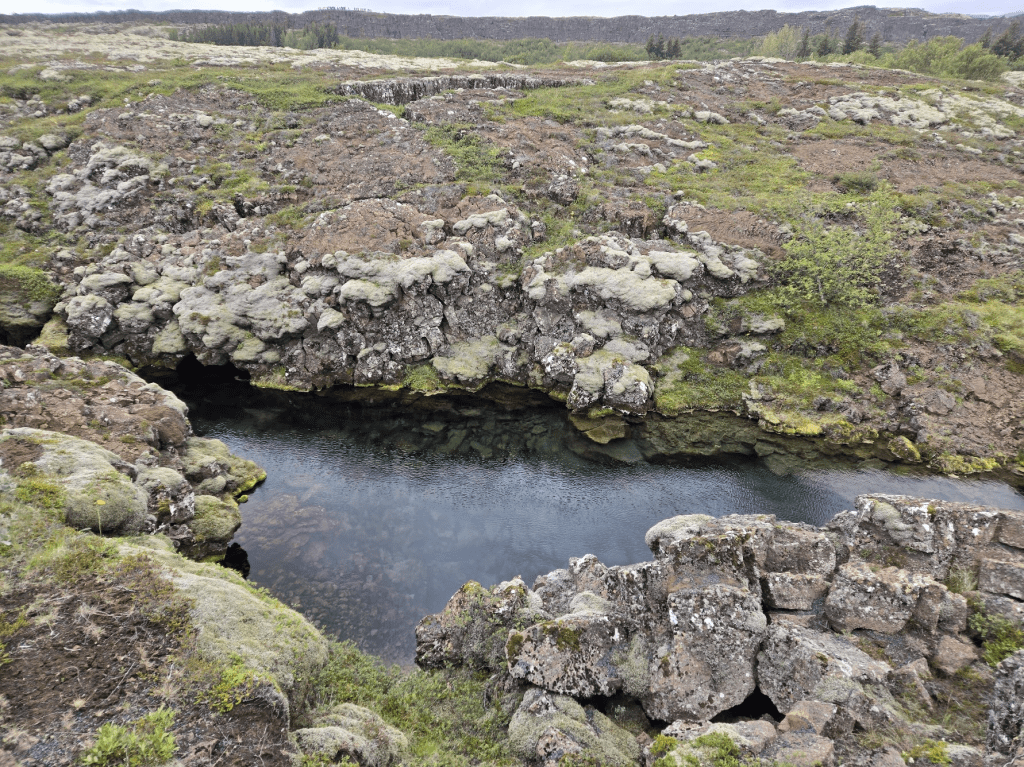
We kicked things off at Þingvellir National Park, where tectonic plates drift apart and the history of Icelandic democracy lives on in moss-covered lava fields. From there, it was a steady counterclockwise march around the island—each stop more dramatic than the last.
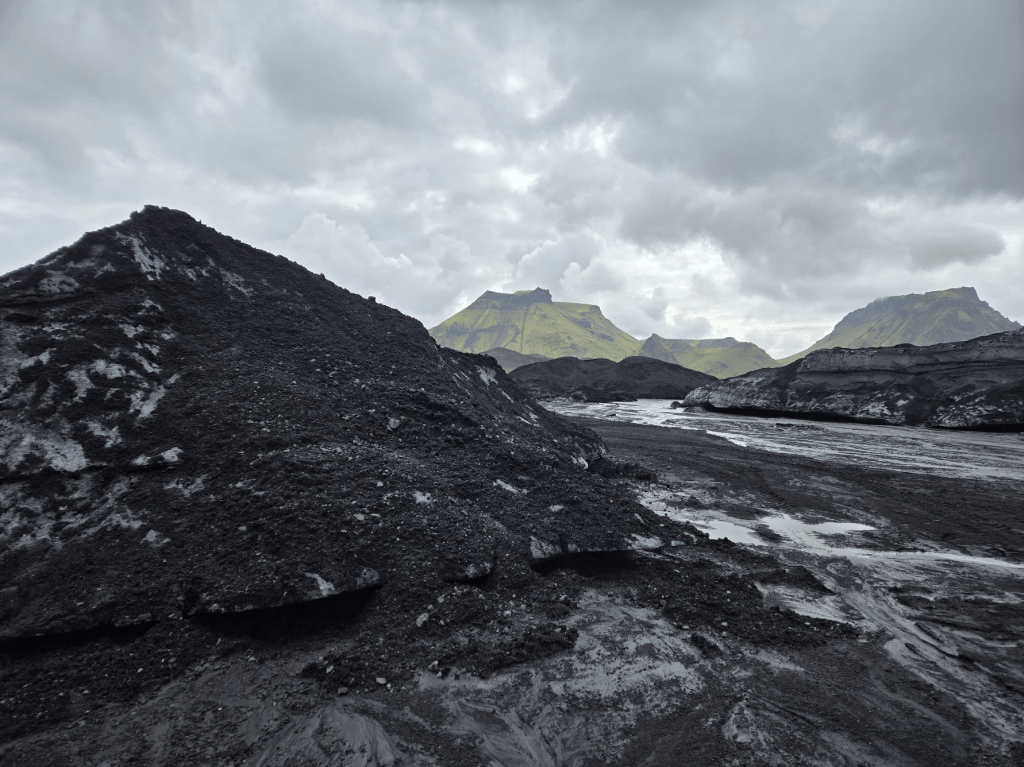
Vik brought black sand beaches and hauntingly beautiful sea stacks. A visit to the Katla Ice Cave gave us the full “Game of Thrones” vibes—frozen, moody, and a little bit magical.
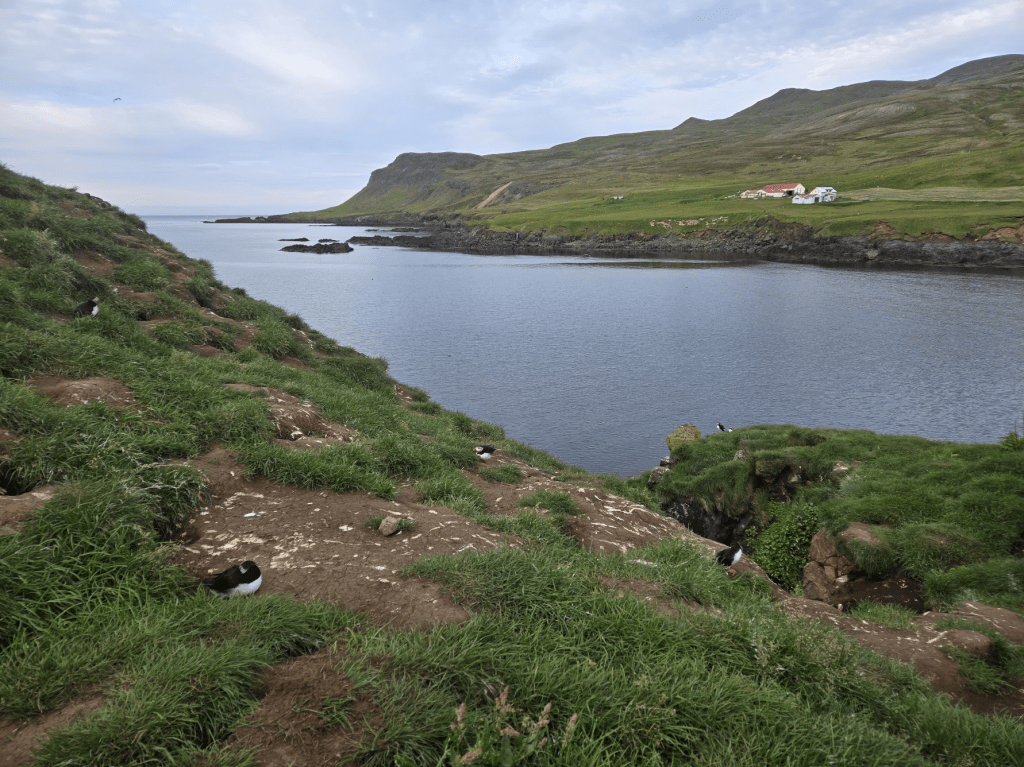
We hit Jökulsárlón Glacier Lagoon, where massive chunks of ice floated silently in sapphire waters, and seals popped up to say hello. From there, the road twisted east to Bakkagerði, home to puffins, coastal hikes, and the Dyrfjallahlaup trail race.

Dyrfjallahlaup: A Race to Remember

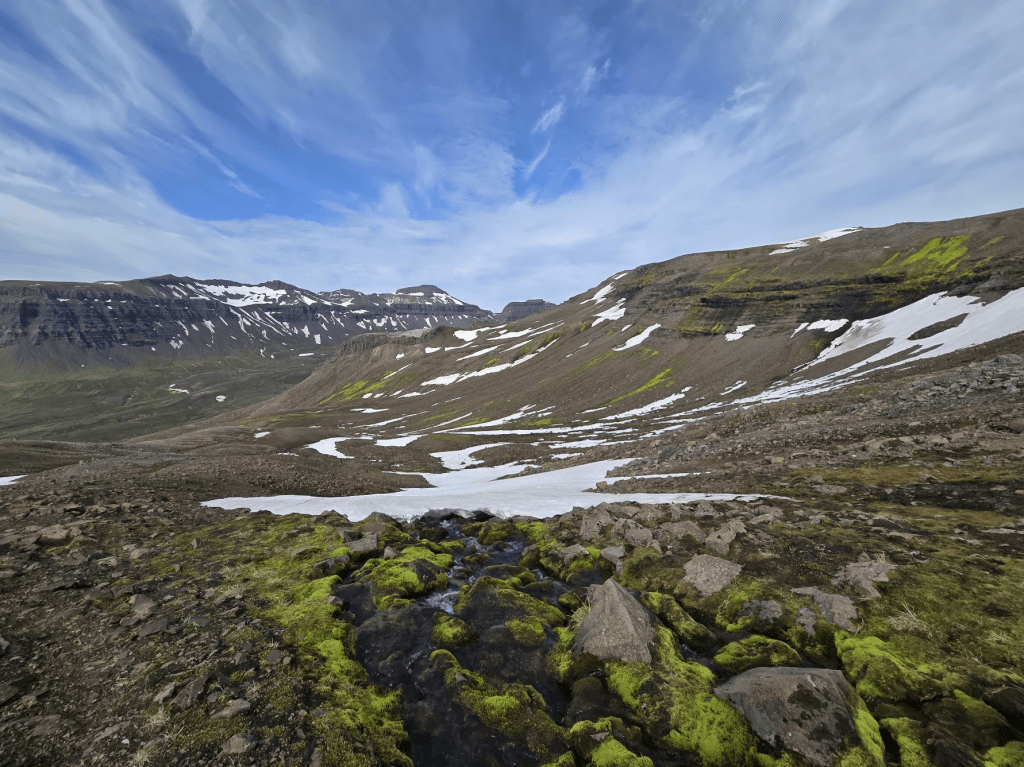
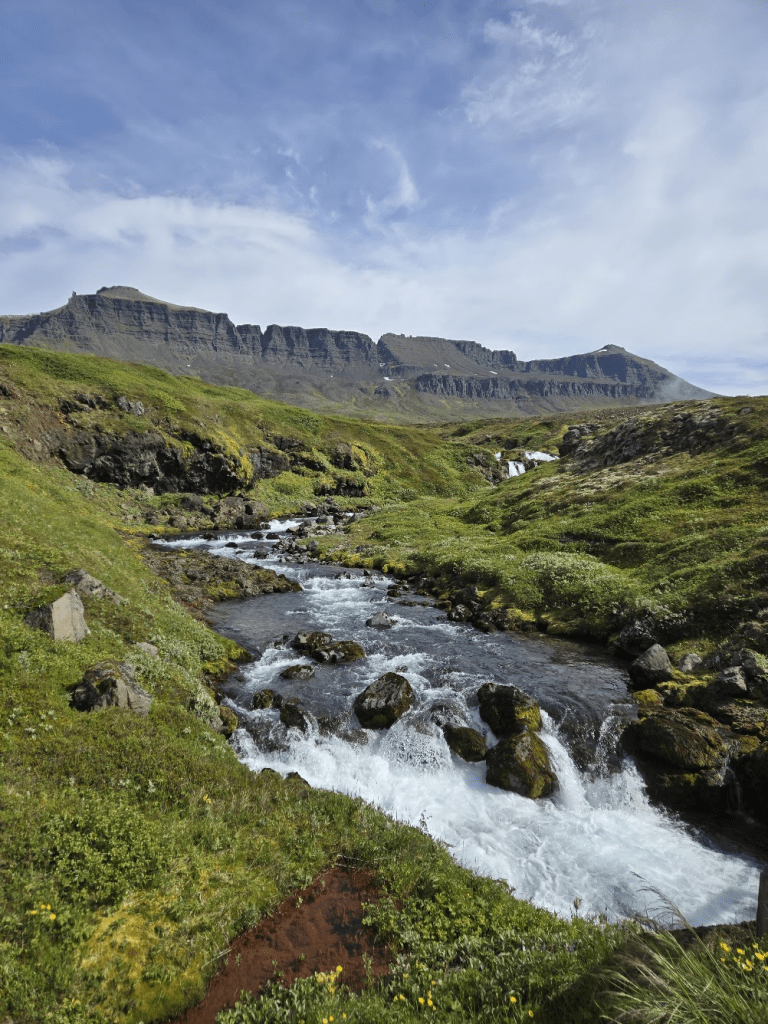
Of course, this wasn’t just a sightseeing trip. For the runners among us, Dyrfjallahlaup was the crown jewel. Traversing the stunning Dyrfjöll Mountains, the trail race winds through volcanic slopes, lush valleys, and cloud-kissed ridgelines that make every uphill worth the burning quads. The course is as humbling as it is breathtaking—a soul-filling journey across Iceland’s wild east that left us sweaty, sore, and completely in awe.
Northern Charm and Thermal Bliss

We looped north through Akureyri, Iceland’s second-largest city, and took a much-needed soak at the Forest Lagoon, where geothermal waters and alpine views made for perfect post-run recovery. The crisp mountain air mixed with the steam made us wonder if maybe Iceland has figured out the secret to happiness after all.
In between hiking, running, and sightseeing, we stopped at KHB Brugghús Brewery & Distillery, a cozy and creative spot with killer craft beer, inventive cocktails, and just enough charm to make you wish it were your neighborhood bar back home.

Food, Fun, and Fermented Surprises

Let’s talk about the pizza. We weren’t expecting Iceland to deliver on this front, but damn—from wood-fired crusts to inventive toppings, Iceland knows how to do pizza right. We devoured pies in tiny towns and bigger cities, often questioning if we came for the trails or the cheese.

Then came Black Death. A traditional Icelandic schnapps (known as Brennivín), this caraway-flavored spirit is often used to wash down fermented shark. We stuck with just the liquor, which was… bold. Let’s just say it lived up to its name.

Reykjavik & the Sky Lagoon Sendoff

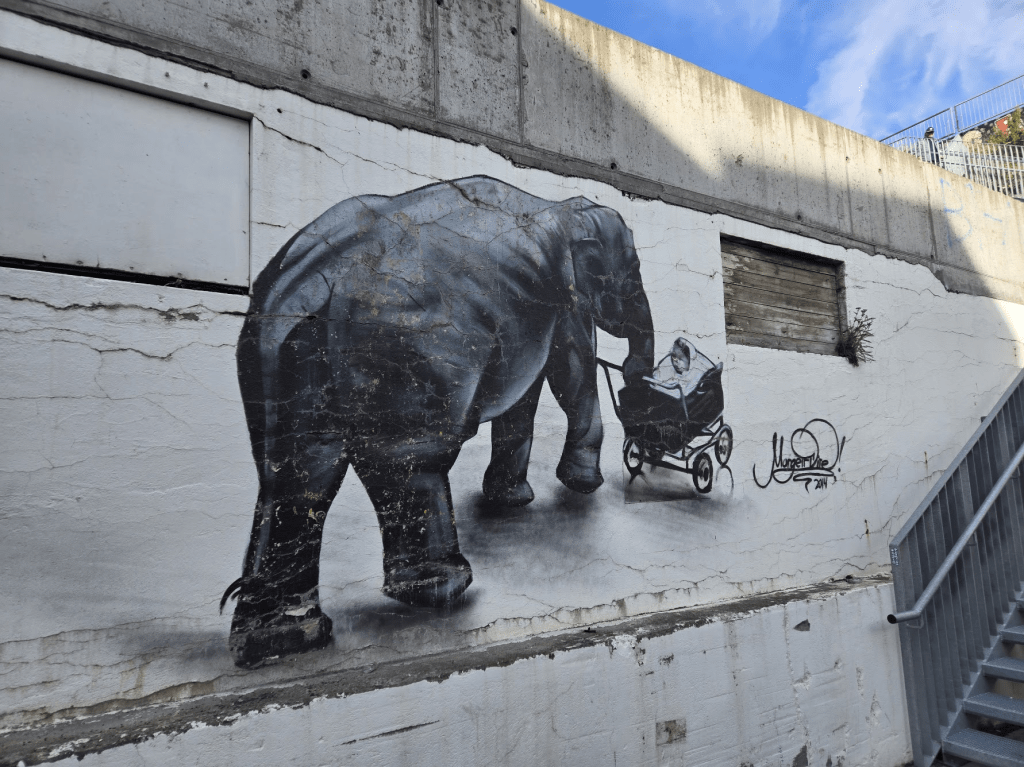
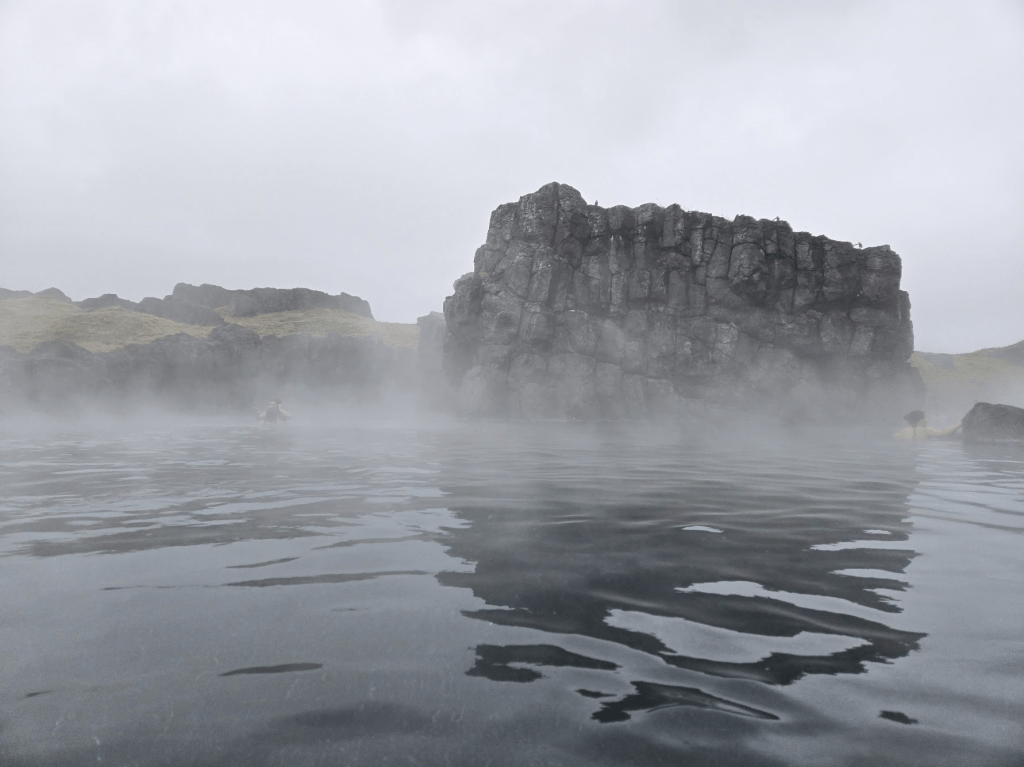
Our final days were spent in Reykjavik, where colorful streets, lively cafés, and Icelandic street art brought a bit of urban flair to our nature-heavy journey. We ended our trip at the Sky Lagoon, floating in the steamy waters overlooking the North Atlantic, bodies relaxed and spirits high.
Final Tally: 880 Miles Driven, 50+ Miles on Foot, Infinite Memories

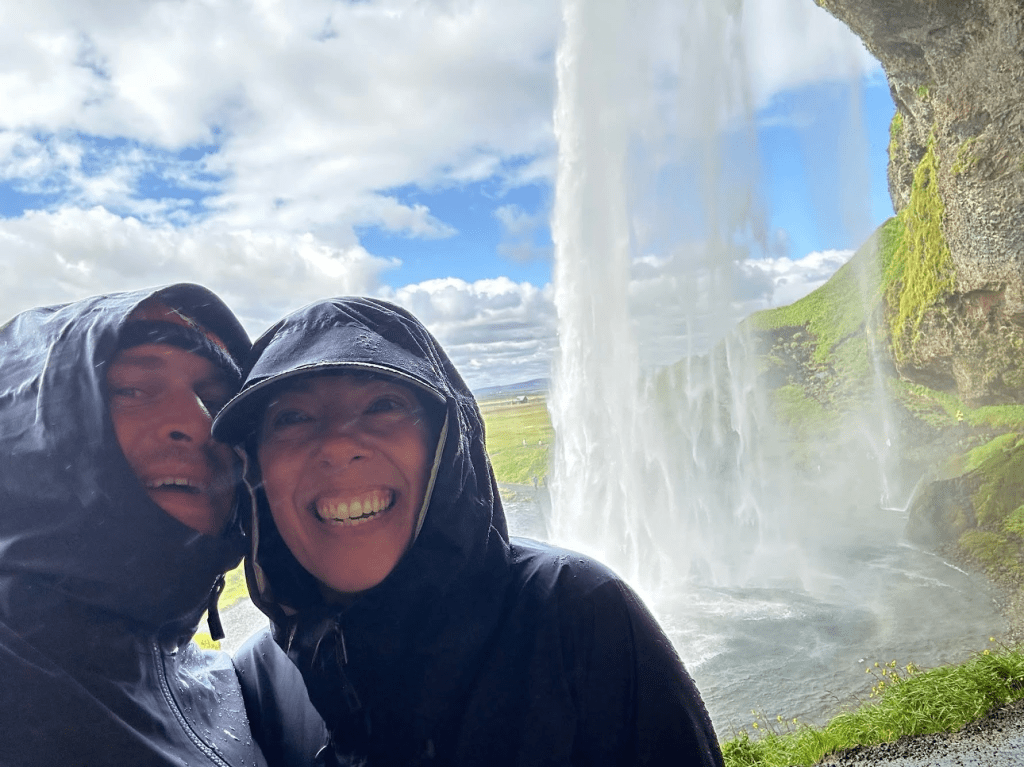
Between the mountain trails, glacier lagoons, craft brews, and all the ridiculous group photos, this Icelandic adventure was everything we hoped it would be—and more. We laughed, ran, hiked, soaked, and yes, even survived the Black Death.

Until next time, Iceland. Or as we now call you: the land of pizza, puffins, and perfectly sore legs.
The History of Cairns: Marking Paths, Memories, and Sacred Spaces

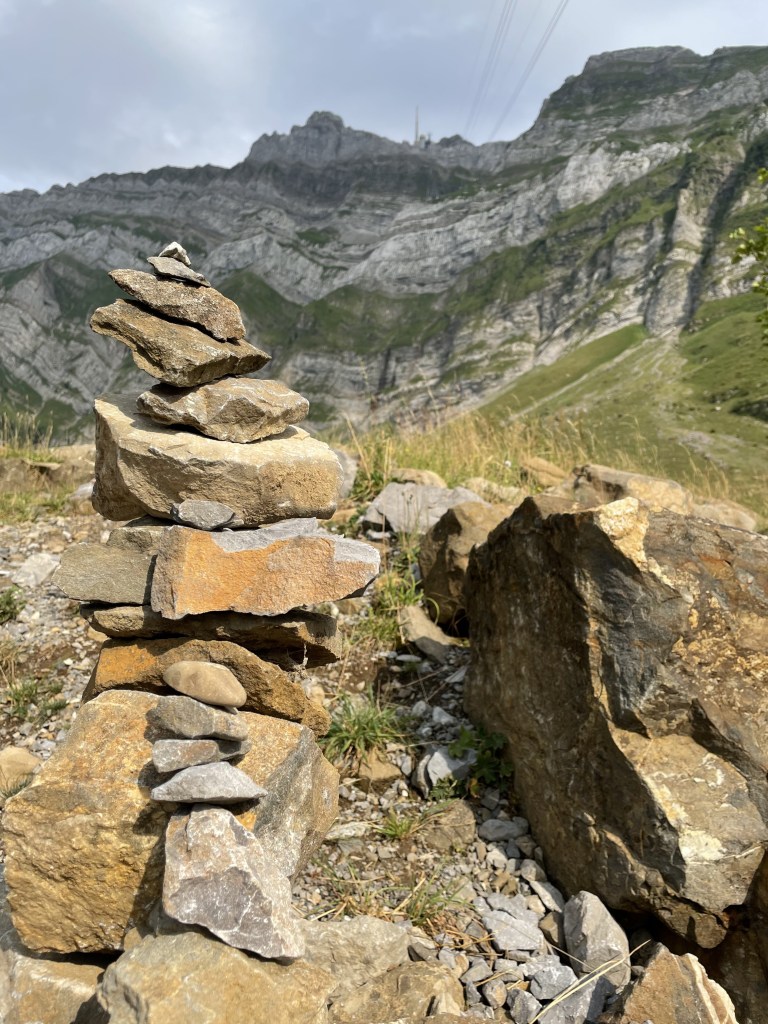
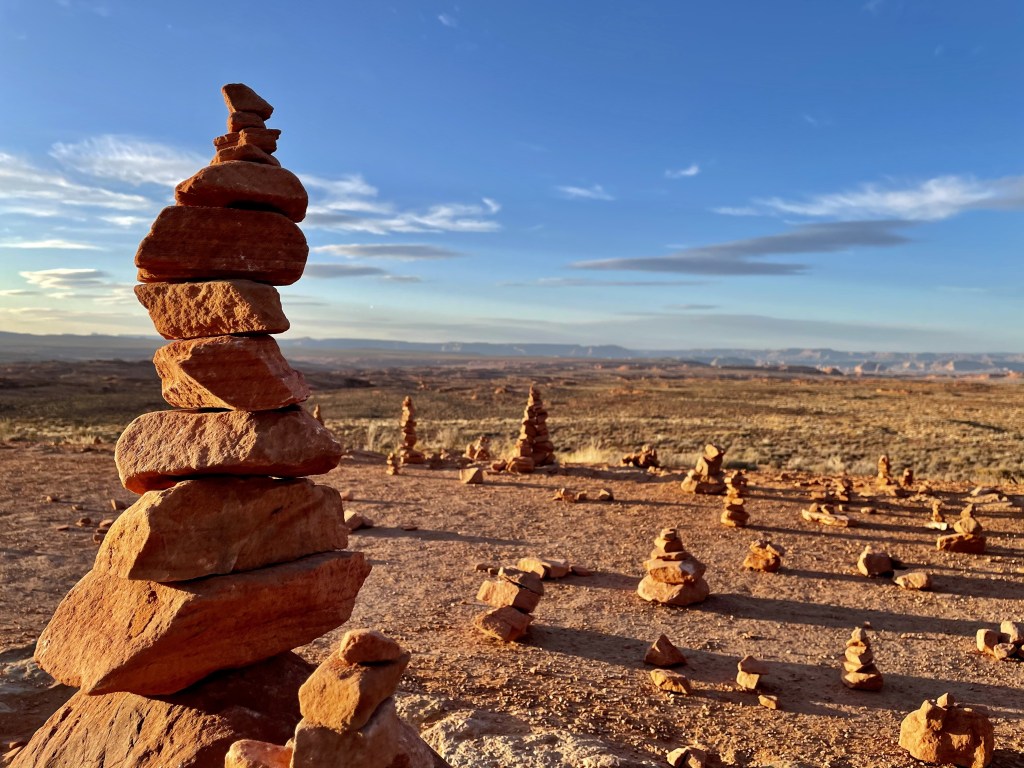
Cairns, those stacked formations of stones found atop hills, along trails, or marking ancient paths, are small yet profound testaments to human history and culture. These simple rock piles have appeared across continents and eras, serving practical, symbolic, and spiritual purposes. In this post, I’ll delve into the fascinating history of cairns, exploring their origins, cultural significance, and evolution over time.

Origins and Early Uses

The word “cairn” originates from the Scottish Gaelic càrn, which translates to “heap of stones.” This term fittingly reflects the rugged landscapes of Scotland, where cairns have a long-standing history. Yet, cairns are not unique to Scotland; they can be found in cultures worldwide. Early hunter-gatherer societies often constructed cairns for navigational purposes, marking trails, borders, or significant locations across vast, unmarked landscapes.

Cairns are among humanity’s earliest landmarks. They appear in ancient landscapes across Europe, North America, Africa, and Asia. In Norway, for instance, cairns were used as wayfinding markers across its rocky, often featureless terrain. For Indigenous peoples in North America, these stone markers—known as inuksuit in Inuit culture—were used to signal hunting grounds, fishing spots, and sacred spaces.

Cairns in Spiritual and Cultural Traditions

Beyond navigation, cairns have held deep spiritual and cultural meanings. In many ancient cultures, cairns were built as offerings to deities or spirits. In Celtic traditions, cairns were often placed atop hills as sacred markers, signifying sites of importance or tribute to gods and ancestors. Similar practices were observed in other parts of Europe, where cairns marked burial mounds, symbolizing both respect and protection for the deceased.

In Japan, cairns—known as ojizō-sama—are constructed to honor the deity Jizo, the guardian of travelers and children. People place small stones to commemorate loved ones or as a sign of gratitude and protection, creating layers of meaning and community memory around these structures.

Navigational Significance: Trail Cairns and Beyond

Throughout history, cairns have continued to serve as valuable tools for navigation, especially in remote or harsh environments where natural landmarks are scarce. Known as “trail cairns,” these formations are often placed at intervals along paths, guiding hikers, pilgrims, and travelers through difficult terrain. In countries like Iceland and Nepal, where landscapes can be rugged and disorienting, cairns have been lifesaving markers.

Pilgrimage routes have also seen the use of cairns as spiritual and directional markers. For instance, on the Camino de Santiago in Spain, pilgrims often add stones to existing cairns along the route as a symbol of leaving burdens behind or as a gesture of gratitude for safe passage. This act of adding to a cairn creates a shared experience that connects people across time and culture.

Modern-Day Cairns: From Art to Environmental Concerns

Today, cairns appear in national parks, hiking trails, and even urban landscapes. Modern cairns often function as both art installations and environmental markers. In some places, artists create temporary cairns to celebrate the beauty of nature or as symbols of harmony and balance. Others use cairns to promote mindfulness, encouraging people to slow down and appreciate their surroundings.

However, with their rise in popularity, some environmental concerns have emerged. Many people build cairns for aesthetic purposes without considering their impact on ecosystems. Disrupting natural stone placements can lead to erosion, harm local habitats, and confuse hikers if unauthorized cairns are placed along established trails. Park rangers now educate visitors on the responsible and respectful handling of cairns, reminding them of their original purpose as wayfinding tools and symbols rather than decorations.

Cairns as Symbols of Connection and Legacy

Ultimately, cairns remain powerful symbols of humanity’s connection to the land, to each other, and to past generations. Each stone added to a cairn reflects the intention, care, and sometimes prayers of those who came before us. In many ways, building or adding to a cairn connects us to an ancient practice, one that resonates across cultures and centuries.

In our fast-paced modern world, cairns encourage us to pause, reflect, and honor our journey. Whether as wayfinders, tributes, or sacred markers, cairns remind us that even simple acts can hold deep significance—rooting us to both history and the landscapes we traverse.

From the mountains of Scotland to the deserts of North America, cairns stand as quiet witnesses to the journeys we have taken and those still to come.

Exciting News: Launch of My Nature-Inspired Online Shop!

Hello, nature lovers!

I am thrilled to share some exciting news with you: my brand-new online shop, magnoliasandfluff.threadless.com, is officially live! 🌿✨ After months of passion and dedication, I’ve created a space that celebrates the beauty and inspiration found in the great outdoors.

I believe that nature is not just a backdrop but a vital source of creativity and tranquility. This collection features unique apparel adorned with stunning graphics inspired by the wonders of the natural world. From breathtaking flowers to majestic arbor designs, each piece is crafted to help you express your love for nature in your everyday style.

Why Nature-Inspired?

Nature has a unique way of connecting us all. Whether it’s the calming sound of rustling leaves or the vibrant colors of a sunset, these experiences remind us of the beauty around us. These designs aim to capture those moments, bringing them into your wardrobe and everyday lifestyle. I want you to feel that connection to nature with thoughtful pieces for your home, wearing this apparel or gifting the beauty of the wilderness.

What Can You Expect?

  • Unique Designs: These pieces feature original graphics that celebrate the diversity of the natural world, from lush forests to tranquil oceans. Each design tells a story and evokes the beauty of the environment.
  • Quality Comfort: We know that style is important, but so is comfort. Our apparel is designed to be soft, breathable, and perfect for any adventure—whether you’re hiking in the woods or lounging at home.

Join Me!

I invite you to explore my collection. Follow me on social media for updates, nature inspiration, and more exciting news. I can’t wait to see how you style your favorite pieces!

Thank you for supporting my vision of merging style with nature. Together, let’s embrace the beauty of the world around us!

With love for nature,
Patricia
Magnolias and Fluff

#NatureInspired #ShopNow

Take Care of Your Feet

Taking care of your feet is crucial for runners to prevent injuries and maintain optimal performance. I’ve experience some of the most intense maceration (trench foot) which has sidelined me at some of my most important running events. Through trial and error, I’ve found a great combination of socks and anti-chafe balms (I’ve tested them all!). Here’s a comprehensive guide to foot care for running:

1. Proper Footwear:

  • Invest in quality running shoes that provide adequate support, cushioning, and stability.
  • Get fitted for shoes at a specialty running store to ensure the proper fit and alignment.
  • Replace your shoes every 300-500 miles or when they show signs of wear and tear.

2. Socks:

  • Wear moisture-wicking socks to keep your feet dry and reduce the risk of blisters.
  • Choose socks made of synthetic materials or merino wool that provide cushioning and minimize friction.
  • I’ve found for shorter distances (50k and under) that compression socks work really well to protect my feet from swelling and excess moisture. My favorites have been the PRO Compression socks – they retain their compression through years of running and washing AND they come in so many fun colors and patterns.

3. Nail Care:

  • Keep your toenails trimmed straight across to prevent ingrown toenails.
  • Avoid cutting your nails too short or rounding the corners, which can lead to painful nail issues.

4. Foot Hygiene:

  • Wash your feet daily with mild soap and warm water to keep them clean and prevent bacterial or fungal infections.
  • Dry your feet thoroughly, especially between the toes, to minimize moisture and reduce the risk of athlete’s foot.

5. Blister Prevention:

  • Use lubricants or anti-chafing products on areas prone to blisters, such as the heels and toes.
  • I’ve been really happy with a few anti-chafing products – I try to find ones that don’t feel greasy or sticky (and there are so many options, so you’ll find what’s right for you) – here are a few of my favorites: Trail Toes, Desitin (surprisingly effective), and Barefoot Scientist Barrier4.
  • Wear moisture-wicking socks and properly fitting shoes to minimize friction and reduce the risk of blisters.

6. Callus Management:

  • Regularly exfoliate callused areas with a pumice stone or foot file to prevent the buildup of thick, rough skin.
  • Avoid removing calluses completely, as they provide natural protection for your feet during running.

7. Arch Support:

  • Consider using orthotic inserts or arch supports if you have flat feet or high arches to provide additional support and stability.
  • Consult with a podiatrist or physical therapist to determine the best type of support for your foot structure.

8. Recovery:

  • After long runs or intense workouts, elevate your feet to reduce swelling and promote circulation.
  • Use ice packs or cold therapy to relieve pain and inflammation in sore or injured areas.
  • Perform gentle stretches and self-massage techniques to relax tight muscles and improve flexibility.
  • I’ve also found that using a massage gun is really helpful to break down any really sore spots in my legs and my shoulders. The compression boots are great as well.
  • The day after a long run (if I’m not training for back to back long runs), I like to hop on a bike or stationary bike to get my legs moving with low impact.

9. Foot Strengthening:

  • Incorporate exercises to strengthen the muscles in your feet and ankles, such as toe curls, arch lifts, and calf raises.
  • Use resistance bands or balance tools to improve stability and proprioception in the feet.
  • I really enjoy using a stability cushion for foot and ankle strength.

10. Listen to Your Feet:

  • Pay attention to any pain, discomfort, or changes in sensation in your feet during running.
  • Rest and seek medical attention if you experience persistent or worsening symptoms, as they may indicate an underlying injury or condition.