As race day approaches, I like to focus on a balanced diet that ensures my body is fueled, energized, and ready to perform. Nutrition plays a vital role in optimizing endurance and strength, so my meals are designed to provide the right combination of carbohydrates, proteins, fats, and micronutrients. Plus, hydration is essential to keep muscles functioning and avoid fatigue. Here’s what a typical week looks like for me leading up to the big race.
Day 1-3: Building a Solid Foundation
At the start of the week, my priority is maintaining a well-balanced diet. I make sure to include complex carbohydrates for sustained energy, lean protein for muscle repair, and plenty of vegetables to get vital vitamins and minerals.
- Breakfast: Overnight oats with fresh berries, chia seeds, and a drizzle of honey
- Lunch: Quinoa with roasted vegetables, chickpeas, and a lemon-tahini dressing
- Dinner: Crispy sesame tofu with sweet potatoes and steamed broccoli
During this time, I also make sure to snack on healthy options like mixed nuts, fruit, and hummus with whole-grain crackers. These choices keep my energy levels stable throughout the day and provide a good mix of nutrients.
Day 4-5: Upping the Carbs
Midweek, I begin to gradually increase my carbohydrate intake to store glycogen in my muscles. This doesn’t mean overeating but focusing more on carbs as my training intensity lightens up.
- Breakfast: Whole-grain toast with avocado and a poached egg
- Lunch: Baked sweet potato with stir-fried tofu and veggies
- Dinner: Pasta with peas and cannellini beans in garlic and avocado oil
Staying hydrated is also crucial. I aim for at least 3 liters of water per day, adding an electrolyte drink during my lighter runs or recovery workouts.
Day 6: Carbo-Loading and Final Preparation
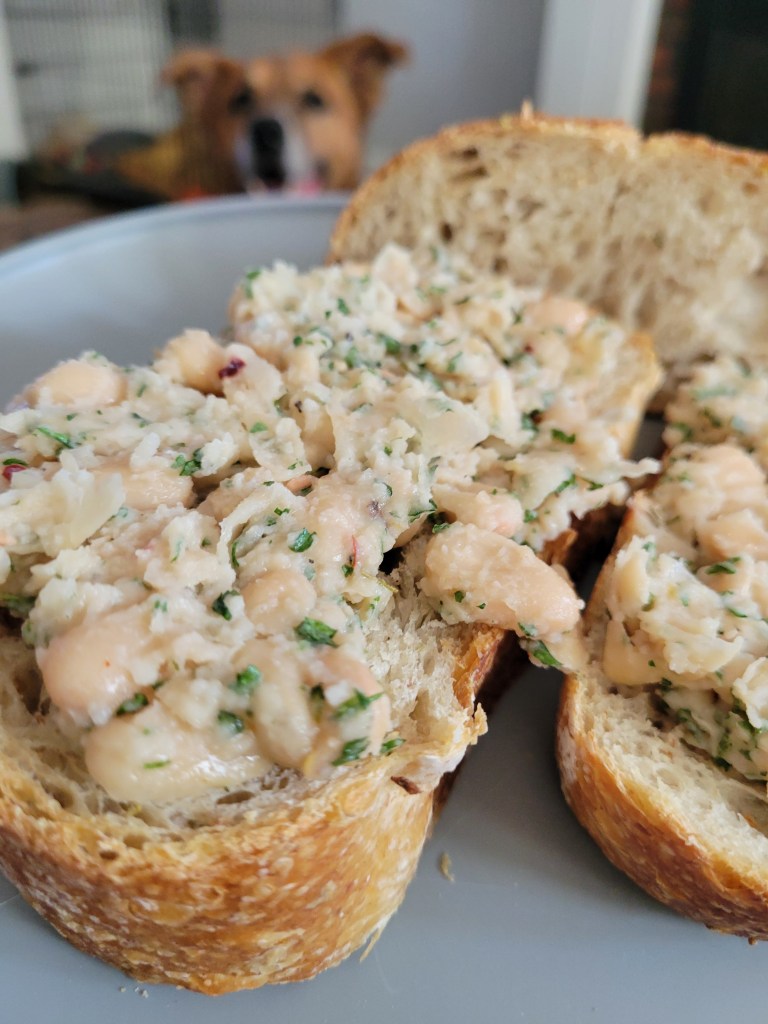
As I get closer to the race, my meals are heavily focused on carbohydrates to ensure I’ve got plenty of stored energy for race day. This is when I make sure to eat meals like one of my favorite pre-race dishes: smashed beans on sourdough toast.
Beans on Sourdough Toast Recipe
This dish is a perfect combination of carbs, protein, and fiber, making it a simple but satisfying meal before a race.
Ingredients:
- 1 can of cannellini or navy beans (drained and rinsed)
- 2 slices of sourdough bread
- 1 garlic clove (minced)
- 1 tablespoon avocado oil
- 1 teaspoon smoked paprika
- 1 teaspoon crushed red pepper (optional)
- Salt and pepper to taste
- 1 tablespoon fresh parsley (optional)
- A splash of lemon juice
Instructions:
- Combine the beans, avocado oil, smoked paprika, crushed red pepper, salt, and pepper. Stir well and smash to your liking, allowing the flavors to meld (I like the texture of partially smashed beans, leaving some whole, but you could also blend to a hummus consistency).
- Toast the sourdough bread until golden.
- Spoon the beans over the toasted sourdough. Garnish with fresh parsley and a squeeze of lemon juice.
- Serve immediately, and enjoy!
Beans on toast is light enough not to weigh me down but hearty enough to provide a steady release of energy over several hours. The sourdough provides easily digestible carbohydrates, while the beans give me a boost of protein and fiber.
Day 7 (Race Day Eve): Keeping It Simple
The night before the race, I keep my meals simple and easy to digest. I avoid anything new or too rich that could upset my stomach. My goal is to feel light but fueled.
- Dinner: A baked sweet potato with black beans
- Evening snack: A banana or a handful of dried fruit
Hydration continues to be a top priority. I drink plenty of water throughout the day, sipping slowly to avoid bloating. I’ll also include a sports drink to ensure my electrolyte levels are balanced.
Hydration: The Key to Performance
Throughout this week, staying hydrated is as important as my food choices. Water keeps me energized, helps regulate my body temperature, and ensures that my muscles are functioning properly. In the days leading up to the race, I make sure to drink water consistently and use electrolyte supplements if I’ve been sweating heavily. On race day itself, I stick to small sips of water in the hours before the event to avoid feeling too full.
In summary, fueling for a race isn’t just about what you eat on race day—it’s about preparing your body in the week leading up to it. By focusing on a balanced diet, increasing carbohydrates, and maintaining proper hydration, I make sure I’m in peak condition to cross the finish line feeling strong and accomplished.
 Magnolias + Fluff